
Currently trading in a tight range around $63,200, Bitcoin (BTC) has entered a phase of consolidation, with daily volumes near $25 billion and market capitalization hovering near $1.26 trillion. The largest cryptocurrency’s dominance remains elevated at 58.5%, with Ethereum absorbing 9.5% and all other crypto assets remaining at 32%.
Volumes for the broader crypto market remains at $66.68 billion while the industry wide market capitalization stays shrunk at $2.17 trillion—down significantly from the yearly above $4 trillion.
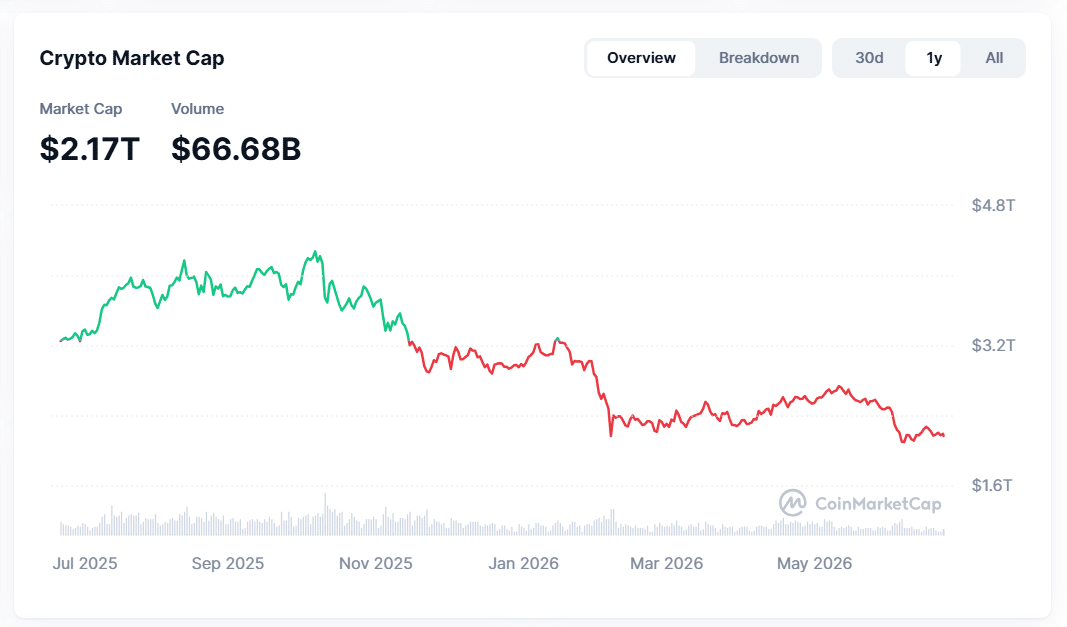
The current environment is defined by competing forces: persistent outflows from spot Bitcoin ETFs, ongoing accumulation by long-term holders, and cautious macro sentiment. The Fear & Greed Index remains in “Fear” territory, reflecting widespread caution among investors. Central to market discussion is whether the recent correction marks the cycle bottom or merely a pause before further downside.
Bitcoin’s Price Action and Technical Landscape
Bitcoin has spent recent sessions oscillating between roughly $63,000 and $65,500. Intraday moves have been contained, with the asset closing modestly lower on some days amid broader risk-asset weakness. Key support is being tested near the $60,000–$62,000 zone, while resistance clusters around $65,000–$66,000.
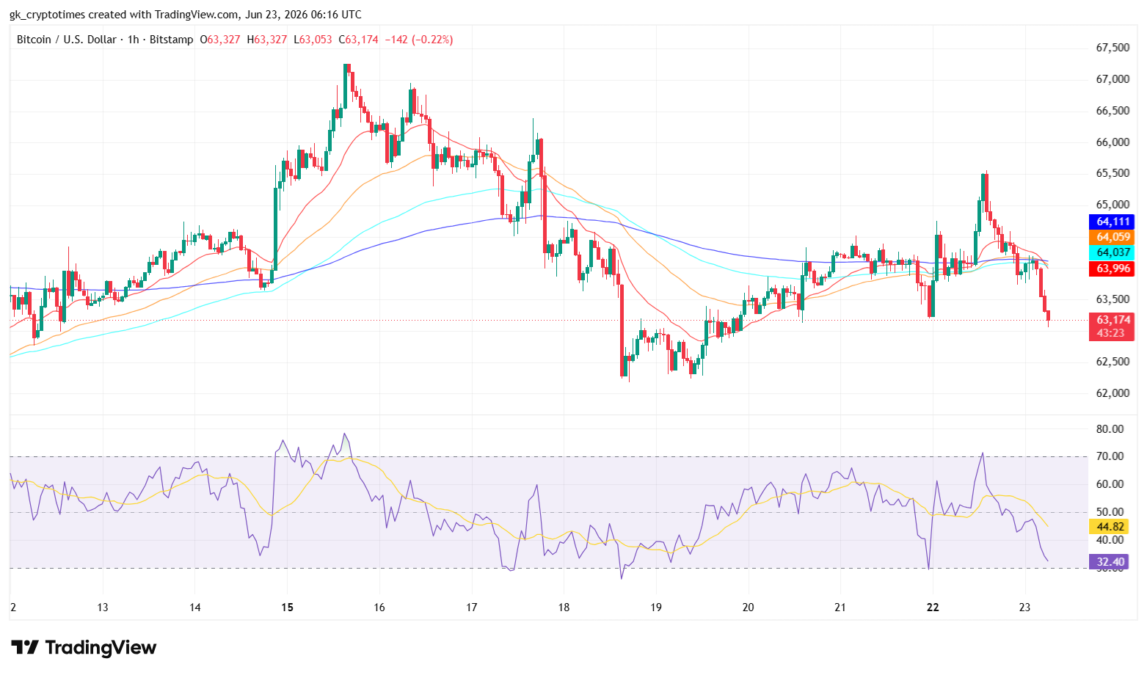
The current technical structure shows a market in consolidation rather than freefall. Volume spikes during dips suggest active trading interest, while on-chain data indicates long-term holders continue to accumulate. Options activity in related equities and ETFs has increased, reflecting positioning around potential volatility.
Recent rebounds above $65,000 have triggered short liquidations, briefly adding fuel to upward moves. However, sustained follow-through has been limited. Analysts note that holding above $60,000 would be viewed positively by bulls, while a decisive break lower could accelerate selling pressure.
“We’re going to make a new high this year despite all the bear talk,” says Fred Krueger, a renowned investor and Bitcoin maxi. “Bitcoin backed bonds and air quotes “digital credit” are all going to do very well. Banks are going to finally integrate BTC into their offerings making real BTC onboarding trivial.”
Broader Crypto Market: Dominance, Altcoins, and Total Capitalization
Ethereum and major altcoins have largely tracked Bitcoin’s moves without significant outperformance. The Altcoin Season Index remains near neutral, showing no clear shift toward altcoin leadership.
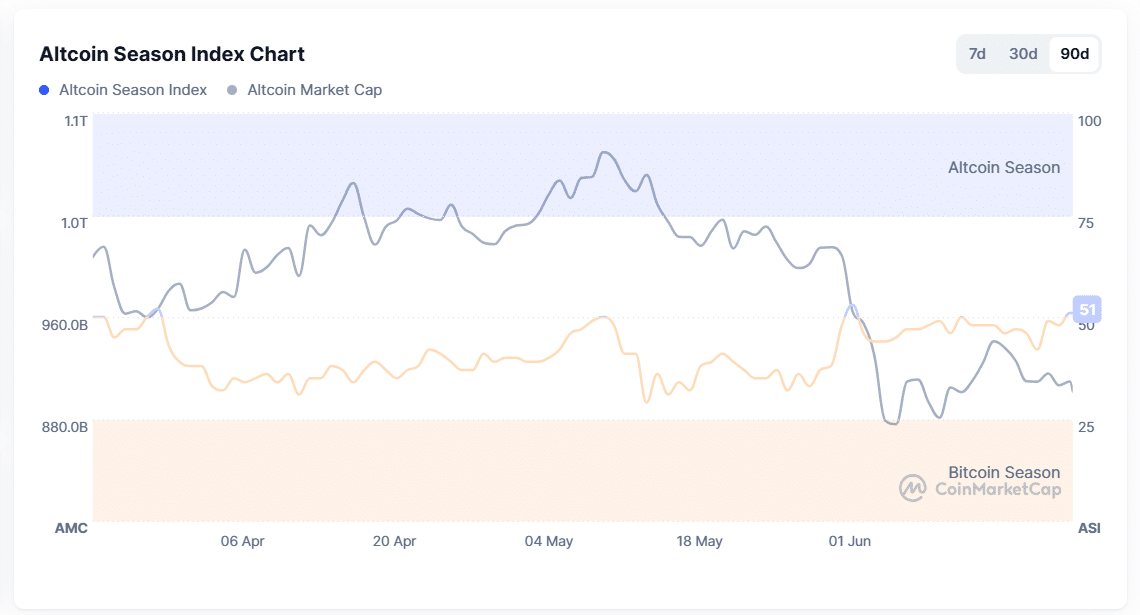
Trading volumes outside Bitcoin have been relatively subdued, reinforcing the current “Bitcoin season” dynamic.
Macro factors, including tech stock movements and geopolitical developments, continue to influence sentiment. Institutional narratives around tokenization and real-world assets persist in the background but have not yet provided immediate price support across the market.
Analyst Perspectives, ETF Flows, and Intense Debate Over the Market Bottom
Market observers are sharply divided on whether the current levels represent the cycle bottom. Bulls, including traders such as Vivek Sen, argue that $60,000 could mark the low point of this milder drawdown, setting the stage for a recovery toward previous highs and potentially new records as institutional adoption deepens.
Bearish voices, including commentary associated with Benjamin Cowen and Galaxy Research, highlight on-chain metrics like MVRV ratios that historically signaled deeper corrections. Some projections point to possible tests of the $40,000–$46,000 range by late 2026 if selling pressure persists.
A major contributing factor to the cautious tone is the continued outflows from U.S. spot Bitcoin ETFs. Recent weeks have seen weekly redemptions reaching $1.67 billion in certain periods, removing a key source of institutional buying pressure that fueled earlier rallies.
These outflows coincide with the price consolidation and have amplified concerns that the correction may not yet be complete.
Historical context adds nuance to the bottom debate. Previous post-halving cycles featured much steeper drawdowns of 77–85%. The current 50% decline from the October 2025 peak is notably milder, leading some to describe it as a “healthy reset” rather than the onset of a deep bear market. Others caution that the presence of ETFs and greater institutional participation could alter cycle dynamics in ways that make direct historical comparisons less reliable.
Holders and traders are bracing for continued volatility. A sustained hold above $60,000–$62,000 with improving ETF flows or positive macro developments could validate the bullish “bottom is in” thesis and potentially trigger rotation into altcoins.
Conversely, a breakdown below key support amid ongoing redemptions could extend the consolidation or deepen the correction, testing lower levels and shaking out weaker hands.
The coming weeks will likely focus on whether Bitcoin can reclaim and hold the $65,000 zone with conviction. ETF flow data, on-chain accumulation metrics, and broader risk sentiment will serve as key signals.
While the structural long-term case for Bitcoin, Fixed supply, growing adoption, and maturing infrastructure, remains intact for many participants, short-term uncertainty around the precise location of the market bottom is dominating near-term discourse.
Also read: GTA 6 Beats Crypto in Google Trends, What is Happening Right Now