The House Ways and Means Committee is reviewing a package of seven discussion drafts that would significantly revise how digital assets are taxed in the United States, covering areas ranging from staking rewards and stablecoin transactions to crypto lending and tax compliance.
According to an X post by journalist Eleanor Terrett on Friday, the proposals are expected to play a central role in an upcoming committee hearing on cryptocurrency taxation.
Together, they represent one of the most comprehensive congressional efforts yet to address longstanding tax questions surrounding digital assets.
Broad tax package replaces earlier comprehensive bills
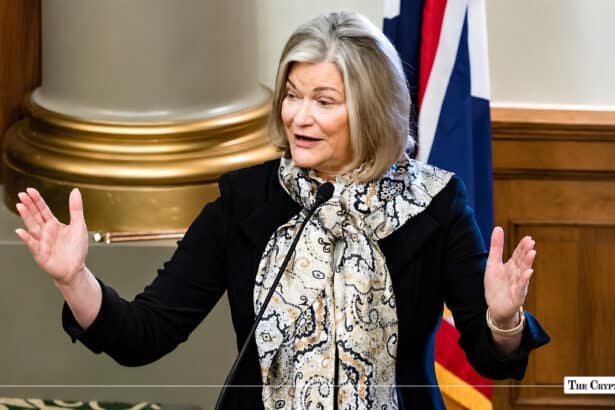
Rather than advancing a single large crypto tax bill, lawmakers have divided the proposals into separate legislative measures targeting specific issues. The approach effectively breaks apart provisions previously included in the Digital Asset PARITY Act introduced by Representatives Don Beyer and Darren Soto, as well as similar tax reforms proposed in earlier legislation backed by Senator Cynthia Lummis.
By separating the proposals, lawmakers may be able to evaluate and advance individual tax reforms independently rather than negotiating an all-encompassing package.
Drafts target reporting burdens and everyday transactions
One of the discussion drafts, titled the Less Tax Paperwork for Digital Asset Owners Act, aims to reduce compliance requirements associated with owning and using digital assets. The proposal reflects growing industry concerns that existing tax reporting obligations can create significant administrative burdens, particularly for retail users conducting routine crypto transactions.
Lawmakers are also examining rules affecting stablecoin usage, an area that has become increasingly important as dollar-backed digital assets gain broader adoption in payments and trading.
Mining, staking, and lending rules under review
Another proposal, the Tax Clarity for Mining and Staking Act, seeks to establish clearer guidance for the taxation of mining and staking income. Tax treatment of staking rewards has remained a contentious issue for years, with policymakers, regulators, and industry participants debating when taxable income should be recognized and how rewards should be valued.
The broader package also addresses crypto lending activities, an area where tax treatment remains less developed than in traditional financial markets.
Lawmakers revisit wash sale and trading rules
The Providing Analogous Rules for Digital Assets (PAR) Act would clarify how certain tax provisions apply to digital asset trading. Among the issues under consideration are wash sale rules, which currently apply to stocks and securities but generally do not extend to cryptocurrencies under existing law. Policymakers have repeatedly debated whether digital assets should receive similar treatment.
The measure seeks to align portions of the tax code with the realities of digital asset markets while providing greater certainty for traders and investors.
Foreign tax treatment also addressed
One draft proposal would amend the Internal Revenue Code to address gains from digital asset sales by certain U.S. taxpayers when comparable foreign taxes are not paid abroad.
The measure focuses on sourcing rules for digital asset transactions and reflects lawmakers’ growing attention to cross-border tax issues associated with globally traded cryptocurrencies.
Crypto tax debate expands as lawmakers revisit banking rules
The push for digital asset tax reform comes alongside a broader congressional effort to reshape how financial institutions interact with cryptocurrencies. Separately, a group of pro-crypto senators recently urged U.S. banking regulators to develop a new capital framework for digital assets, arguing that existing international standards discourage banks from holding cryptocurrencies on their balance sheets.
In a letter to the Federal Reserve, FDIC, and OCC, Senators Bill Hagerty, Dan Sullivan, Cynthia Lummis, Bernie Moreno, Jon Husted, and Ted Budd criticized the Basel Committee’s 2022 crypto capital framework, which assigns certain digital assets, such as Bitcoin, a 1,250% risk weight.
The lawmakers argued that the requirement effectively forces banks to hold capital equal to the full value of their crypto exposure, making participation in the sector economically impractical. They called for a more technology-neutral approach that reflects the actual risks of digital assets, particularly as Congress considers legislation that could authorize banks to engage in a wider range of crypto-related activities.
Hearing expected to shape next steps
The release of the discussion drafts comes ahead of a scheduled Ways and Means Committee hearing focused on cryptocurrency taxation.
While the proposals remain in draft form and could undergo significant revisions, they provide the clearest indication yet of how congressional lawmakers are approaching crypto tax reform. If advanced, the measures could establish new frameworks for reporting, trading, staking, lending, charitable giving, and other digital asset activities that have operated for years under limited statutory guidance.
Also Read: CLARITY Act Reaches Senate Calendar as Crypto Awaits Verdict