Key Highlights
- FinCEN withdraws two crypto rules targeting self-custodied wallets and crypto mixing services.
- The 2020 wallet proposal would have required banks and MSBs to keep records and report certain transactions above $3,000 and $10,000.
- The 2023 crypto mixing proposal will also not move forward, while existing Bank Secrecy Act requirements remain in place.
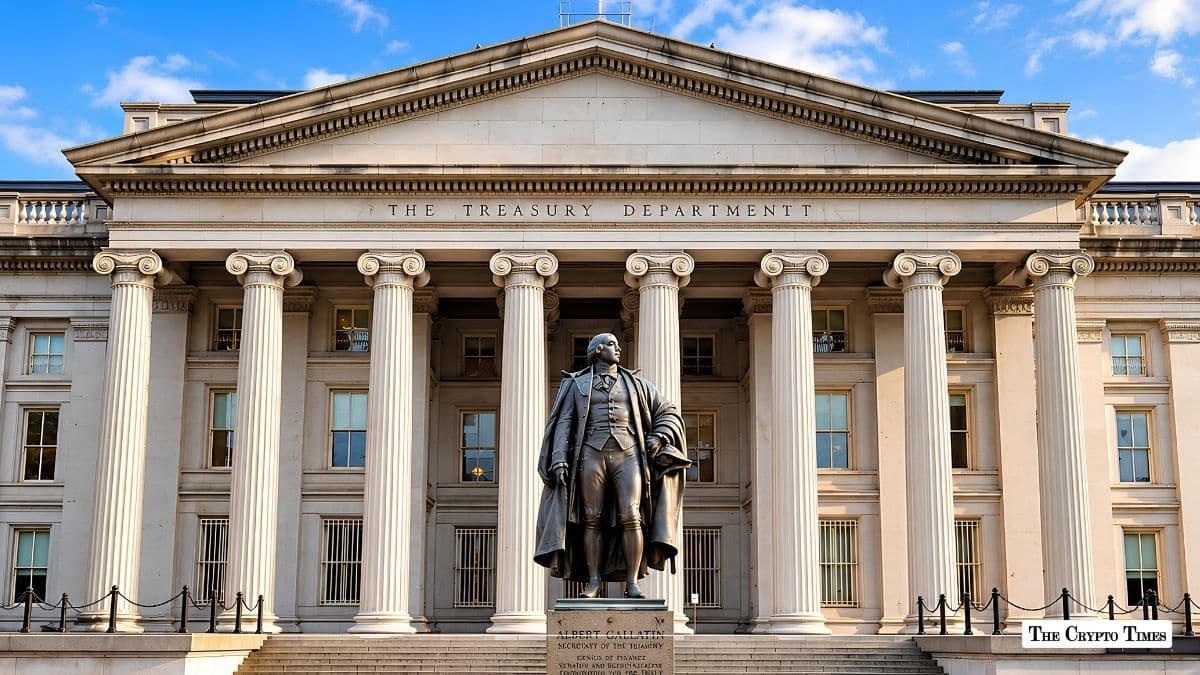
The Financial Crimes Enforcement Network (FinCEN), a bureau of the U.S. Treasury Department, has withdrawn two proposed rules that would have placed extra reporting and identity-checking requirements on crypto transactions involving self-custodied wallets and crypto mixers.
According to FinCEN’s October 5 announcement and Federal Register filings, the proposal, the agency is withdrawing the two proposed rules and will take no further action on them.
What the 2020 proposal covered
The first proposal dates back to December 23, 2020, when FinCEN proposed new rules for banks and money services businesses (MSBs) handling certain crypto transactions.
The rules focused on convertible virtual currency (CVC) and digital assets with legal tender status held in unhosted wallets or certain wallets based in foreign jurisdictions identified by FinCEN.
An unhosted wallet is a crypto wallet controlled by the user. Instead of an exchange or another company holding the private keys, the user controls them directly. Examples include wallets where users can send and receive crypto without keeping their funds on a centralized exchange.
How the wallet rules would work
Under the 2020 proposal, transactions involving these wallets would have faced new requirements depending on their value. For transactions above $3,000, banks and MSBs would have had to keep records about the transaction and its counterparty and verify the identity of their customer.
The requirements would have become stronger when the transaction exceeded $10,000. Banks and MSBs would have been required to send a report to FinCEN containing information about the customer’s transaction and the person or wallet on the other side.
Multiple transactions that added up to more than $10,000 within 24 hours would also have been covered.
Why the proposal drew concerns
According to the filing, the proposal attracted more than 7,500 public comments. Much of the feedback raised concerns about cost, privacy and whether financial institutions could realistically collect information about people controlling self-custodied wallets.
A bank can verify its own customer, but identifying an unknown person controlling a wallet outside its system is much harder.
Second proposal targeted crypto mixers
The second proposal focused on crypto mixing. FinCEN introduced this proposal in October 2023 as U.S. officials raised concerns about the use of crypto mixers for illegal activities.
Crypto mixers are services that combine funds from different users and move them around before sending them out again. This can make it harder to follow where particular crypto came from or where it eventually went.
In its 2023 proposal, FinCEN sought additional reporting and recordkeeping requirements for certain transactions involving CVC mixing. The agency said the measure was aimed at dealing with risks linked to money laundering and the use of crypto by criminal and terrorist groups.
The proposal came after growing U.S. concerns over crypto-linked financing by groups such as Hamas, as well as activity involving other criminal and state-linked actors. FinCEN had also considered a narrower approach focused on terrorist financing but decided that broader action was needed to address the risks linked to crypto mixing.
What the withdrawal means
Now, both proposed frameworks have been pulled back. FinCEN’s official filing states that the agency “will take no further action” on the 2020 unhosted-wallet proposal.
FinCEN said the withdrawal is part of the Trump administration’s ongoing effort to make sure digital asset regulations are “fit-for-purpose.” This means the proposed rules will not move ahead in their current form.
The withdrawals do not eliminate existing Bank Secrecy Act obligations applicable to covered financial institutions and money services businesses.
For self-custody users and businesses that interact with their wallets, the decision means the additional requirements proposed in 2020 will not be added through that rule. For crypto mixers, the specific reporting framework proposed in 2023 will also not move forward.
The decision closes two long-running regulatory proposals that had placed greater scrutiny on some of the most private parts of the crypto market.
Also Read: Bank of Russia Opens Register Applications for Cryptocurrency Exchanges