Key Highlights
- Greenfield Capital filed a supervisory complaint with Switzerland’s Federal Supervisory Authority for Foundations concerning the Safe Ecosystem Foundation.
- The firm raised concerns about the Foundation’s governance structure, board composition, financial management, and oversight.
- Safe raised approximately $93.5 million in 2022 and held about $34 million in cash after reported spending of roughly $60 million, alongside substantial SAFE token reserves.
Greenfield Capital filed a supervisory complaint with the Swiss Federal Supervisory Authority for Foundations on October 4, 2026, concerning the Safe Ecosystem Foundation. The firm published an open letter to the SAFE community the same day detailing the action and its reasons.
According to figures cited from the Foundation’s own disclosures, Greenfield has held its full SAFE token position since investing in the 2022 financing round that accompanied Safe’s spin-off from Gnosis. The firm stated it has never sold any tokens and continues to operate a Safenet validator.
Financial position of the foundation
The disclosure further showed that Safe raised approximately $93.5 million in 2022. MiCA disclosures from May 2026 showed roughly $60 million had been spent, leaving around $34 million in cash. The Foundation also holds 8.5% of the total SAFE supply in a strategic reserve and a further 45% on its balance sheet.
The SAFE token has declined more than 95% in value over the period. At the end of 2025, the Foundation reported more than $10 million in project-wide annualized revenue. Its Q2 2026 report showed $1.98 million in quarterly revenue, equivalent to an annualized run-rate of roughly $8 million.
Total value held in Safe accounts fell from $66 billion in January 2024 to roughly $30 billion by August 2026. Over the same period, total DeFi TVL rose by around 40%. Stablecoins held in Safes on Ethereum mainnet increased from $5.9 billion to $6.6 billion, while overall stablecoin supply grew from about $130 billion to over $300 billion. Safe’s share of all USDC in circulation declined from 12.8% to 2.5%.
Governance and board composition
Greenfield’s review, conducted in the second half of 2025, identified governance as the central issue. At the time of the review, the Foundation board consisted of two members. Stefan George, a Gnosis co-founder, has served on the board while Gnosis developed and operated wallet products that competed with Safe{Wallet}.
After the Bybit incident in February 2025, Christoph Simmchen left the board. Between September 2025 and April 2026, the board operated with only two members, below the three-member minimum required by the Foundation’s deed. Richard Meissner, a Safe co-founder and former technical lead at the German Core Contributors entity that operated the primary Safe{Wallet} instance, was later appointed.
Greenfield stated that, in the immediate aftermath of the Bybit hack, Stefan George and Gnosis co-founder Martin Köppelmann demanded that other board members and co-founders surrender a significant portion of their SAFE holdings. The demand was accompanied by a threat that Gnosis would sell its approximately 10% SAFE position and publicly distance itself from the project. The redistribution took place.
The allegations against Gnosis and the named individuals above are based on claims made by Greenfield Capital in its October 4 open letter. The Crypto Times team tried to reach out to Gnosis for a comment on the matter but did not receive any at the time of the publication.
Requests submitted to the authority
In formal correspondence, Greenfield asked the Foundation to restructure its board, replace Stefan George, and expand the board with independent members experienced in corporate governance, finance, risk management, legal compliance, and business development. Greenfield did not request a seat for itself.
In March 2026, the Foundation invited nominations for participation models that included an advisory board, guest participation, or full membership. In June, it established a Strategy Commission as an advisory body appointed by and reporting to the existing board. The board composition itself remained unchanged.
The supervisory complaint requests that the Swiss Federal Supervisory Authority for Foundations examine the Foundation’s governance and management under Swiss foundation law, its articles of incorporation, and organizational regulations. The filing is not a lawsuit against individuals and does not seek control of Safe.
Connection to the Bybit theft
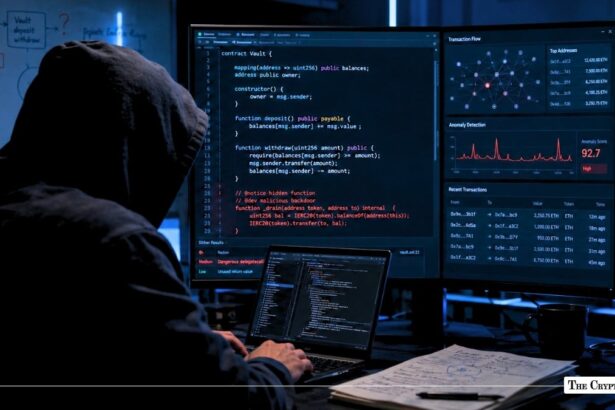
The February 2025 Bybit incident involved the theft of roughly $1.5 billion, which U.S. authorities attributed to the Lazarus Group, a North Korean state-linked hacking unit. The compromise originated in the developer environment of the company that built and operated the most widely used Safe{Wallet} instance and maintained the core protocol on behalf of the Foundation.
Bybit filed a civil lawsuit in the U.S. District Court for the District of Columbia against the Democratic People’s Republic of Korea, its Reconnaissance General Bureau, and the Lazarus Group under the Racketeer Influenced and Corrupt Organizations Act. A federal judge granted a temporary restraining order and expedited discovery in June 2026 and partially granted a preliminary injunction on July 30, freezing certain traceable assets.
Greenfield stated its concerns are limited to the governance of the Safe Ecosystem Foundation and the composition of its board. It continues to work with the operating team at Safe Labs.