Key Highlights
- 84% of 846 Iran-linked wallets used only USDT, according to the Senate investigation.
- Tether says about $550 million in Iran-linked USDT was frozen in 2026 with help from U.S. authorities.
- Senator Richard Blumenthal says USDT has become central to Iran’s shadow banking system, while Tether says its public blockchain helps authorities track and freeze illicit funds.
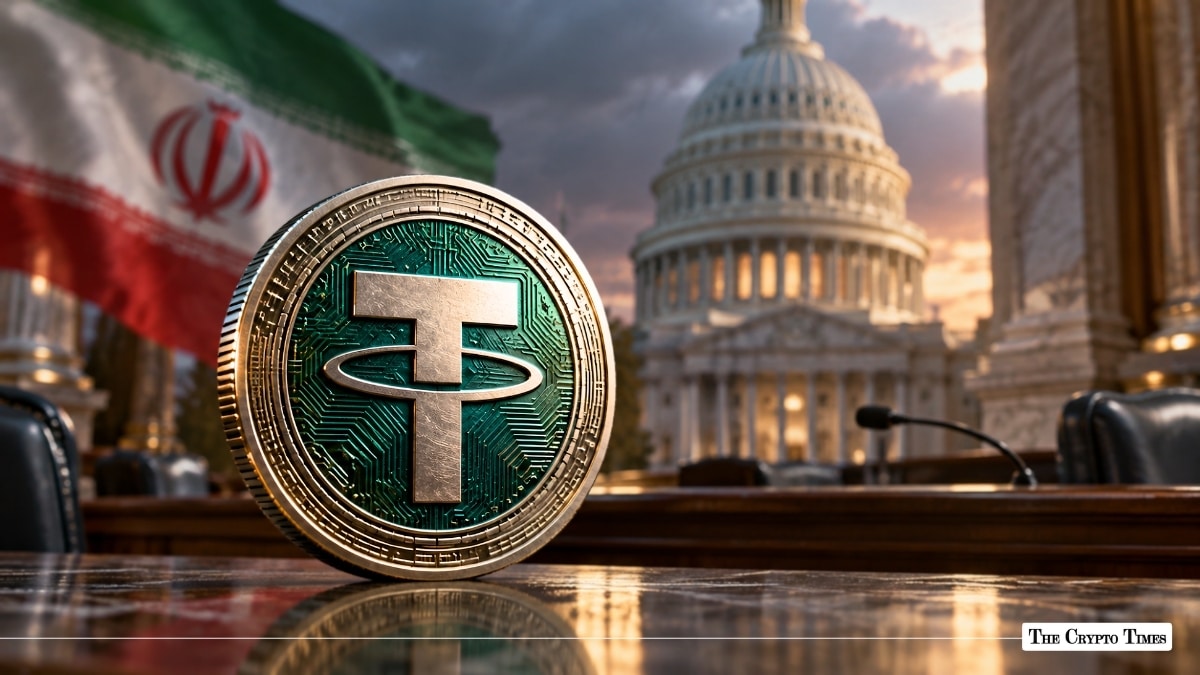
Iran has been using Tether’s USDT stablecoin to evade U.S. sanctions, according to a new report from the U.S. Senate Permanent Subcommittee on Investigations cited by The Wall Street Journal.
The report, released Monday, says USDT has become a major payment tool for Iran and has also been linked to networks accused of supporting regional militant groups. The Senate investigation reportedly reviewed 846 transaction accounts connected to Iran-linked activity. It found that 84% of the wallets had carried out transactions only with Tether’s USDT.
How USDT moves outside banks
USDT is designed to keep a value close to the U.S. dollar and can be sent through public blockchains without using the traditional banking system.
For Iran, which faces wide-ranging U.S. sanctions, the Senate report says this has made USDT an important part of its financial activity outside the normal banking system.
Senator Richard Blumenthal, who is involved in the investigation, said the findings show that USDT has “become central to Iran’s shadow banking system.” He said the system has allowed the Iranian government to support regional proxy groups, pursue drone and missile programs and carry out other activities targeted by U.S. sanctions.
The investigation also looked at Iranian crypto exchanges, including Nobitex, Wallex, Bitpin and Ramzinex. These platforms were examined as part of the wider network of crypto activity connected to Iran.
Blockchain data tracks Iran-linked funds
The Senate findings come as blockchain investigators have also tracked large amounts of USDT linked to Iran.
Earlier this year, blockchain intelligence firm TRM Labs traced transactions involving wallets linked to Iran’s Central Bank that appeared to contain tens of millions of dollars worth of USDT.
Tether responds to the report
However, Tether has pushed back against the idea that USDT provides a safe place for sanctioned groups to hide money.
In a statement, the company said it has been working with U.S. and international law enforcement to identify and freeze funds connected to Iran and other sanctioned networks.
Tether said about $550 million in Iran-linked USDT has been frozen during 2026. The company said more than $344 million was frozen in April across two addresses after information was provided by the U.S. Office of Foreign Assets Control and other law enforcement agencies.
Tether pointed to some funds it has frozen
On April 24, OFAC added the addresses to its sanctions list as digital-currency identifiers associated with the Central Bank of Iran. In July, Tether said more than $130 million in USDT was frozen across four additional wallets after the U.S. Treasury expanded its action against Iran-linked addresses.
Tether CEO Paolo Ardoino said public blockchains make it possible for authorities to track where funds move and take action when illegal activity is identified.
“Tether has consistently demonstrated that USD₮ is not a haven for sanctioned actors, terrorist organizations or criminal networks,” Ardoino said.
The company also pointed to its wider work with law enforcement. Tether said it works with more than 340 agencies across 67 countries and has supported more than 2,800 investigations. According to the company, those efforts have led to more than $4.9 billion in assets being frozen.
The Senate report now puts USDT’s role in Iran’s financial networks under closer scrutiny, while Tether’s response points to the company’s ability to freeze funds when authorities identify wallets linked to sanctions or other illegal activity.
Also Read: Chainlink CCIP 2.0 Goes Live With New Institutional Guardrails, LINK Surges