Key Highlights
- Paul Atkins says the SEC will continue making crypto rules using its existing legal powers, even without the CLARITY Act.
- The CLARITY Act failed to advance after the Senate vote ended 49-50, short of the 60 votes needed.
- The SEC had already started preparing crypto rules, while former CFTC Chairman J. Christopher Giancarlo said regulators could continue their work despite the Senate setback.
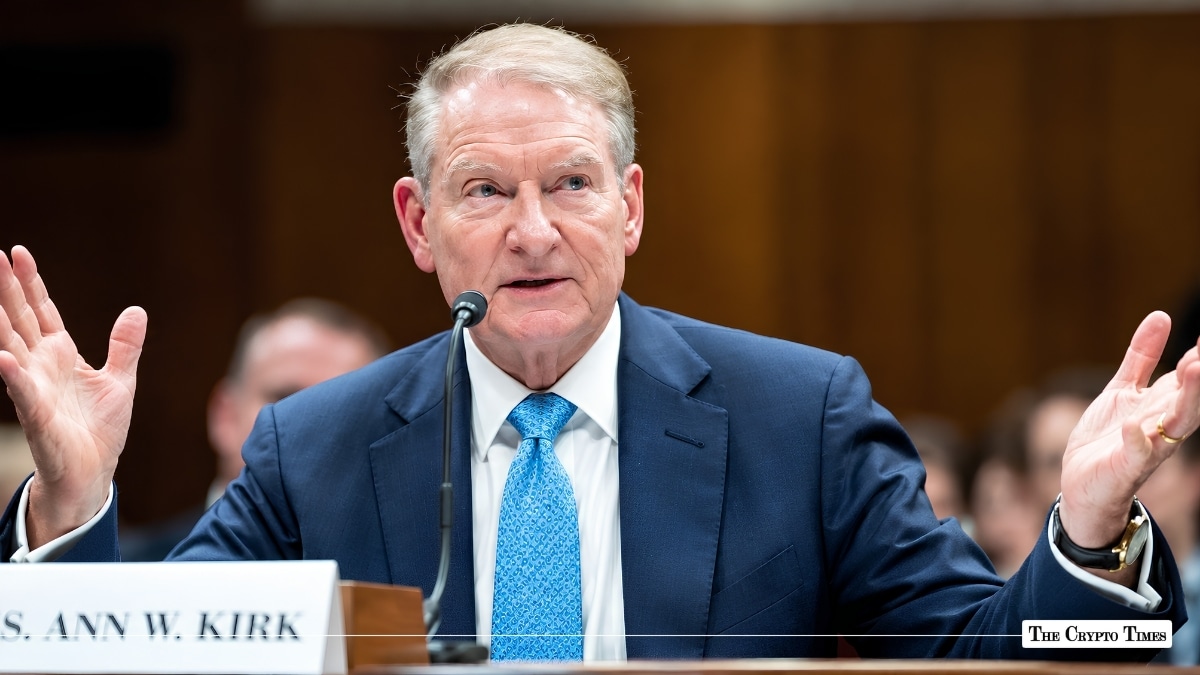
SEC Chairman Paul Atkins has said the Securities and Exchange Commission will continue working on crypto rules even after the U.S. Senate failed to move the CLARITY Act forward.
Following the September 15 vote, Atkins said in a September 16 post on X that the SEC would use its existing legal powers to give investors and crypto companies more certainty.
The Senate’s decision came after weeks of talks and changes to the bill. Senators voted 49-50 on the procedural motion needed to move the CLARITY Act toward full consideration. The measure needed 60 votes to clear the step, leaving it short of the required support.
Atkins says the SEC will keep working
But while the bill hit a major roadblock in Congress, Atkins made clear that the SEC’s work would not stop. In a post on X, he thanked people across the administration, Congress, the investment industry and the technology sector who had worked on the legislation.
“I have been unequivocal: with or without legislation, we will act decisively within the SEC’s statutory authority to deliver certainty for American investors and for the entrepreneurs shaping our technological future,” Atkins said.
SEC can make rules without waiting for Congress
That statement points to what could happen next for U.S. crypto regulation.
The SEC can continue using its existing statutory authority to develop rules covering parts of the digital asset market, even as Congress considers broader market structure legislation.
The agency had already started moving in that direction before the Senate vote. In August, the SEC announced that it would consider a proposal for a tailored system covering certain investment contracts involving crypto assets. A commission vote would begin the formal rulemaking process and allow the proposal to go through public comment before any final rules are made.
The work is part of what Atkins has called “Regulation Crypto Assets.” His plan includes different paths for crypto projects to raise money without always having to go through the full traditional registration process.
The SEC has also discussed a startup exemption, a fundraising exemption and a safe harbor for certain investment contracts involving crypto assets.
The agency’s earlier work also included a joint SEC-CFTC interpretation that set out five categories for digital tokens and explained when an investment contract involving a crypto asset may begin or end. Four of those categories were described as not being securities.
CLARITY Act aimed to divide crypto oversight
The CLARITY Act was meant to give Congress a larger role in setting the long-term rules for the industry. Among other things, the bill would divide oversight of digital assets between the SEC and the Commodity Futures Trading Commission, or CFTC.
Former CFTC Chairman J. Christopher Giancarlo said the Senate setback would not stop U.S. crypto innovation. Speaking to journalist Eleanor Terrett after the vote, he said regulators could still build rules under their existing authority.
“@SECPaulSAtkins and @ChairmanSelig are determined to do what their jobs require them to do and put in place sound regulatory frameworks that ensure that financial innovation, market modernization and economic growth take place under U.S. law and not outside it,” Giancarlo said.
For now, the Senate vote has stalled the CLARITY Act’s advance, while the SEC and CFTC can continue pursuing regulatory initiatives under their existing authorities. At the same time, Atkins’ comments show that the SEC intends to keep working on crypto rules while Congress considers how to move the wider legislation forward.
Also Read: CFTC Chair: Americans Deserve Crypto Clarity After Senate Vote Fails 49–50