Key Highlights
- CFTC Chairman Michael Selig described the Senate’s September 15 CLARITY Act vote as unfortunate.
- The Senate rejected cloture on H.R. 3633 by a 49–50 vote, below the 60 votes required to advance the bill.
- Selig said the CFTC is prepared to develop crypto market rules using its existing statutory authority.
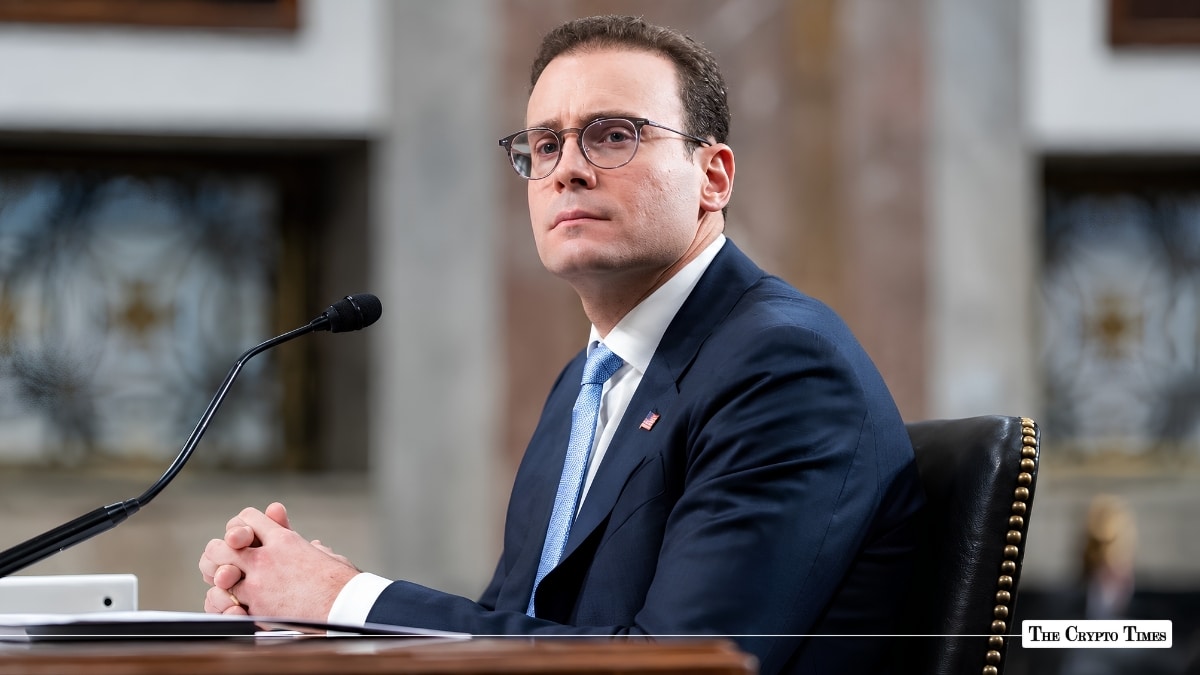
Commodity Futures Trading Commission (CFTC) Chairman Michael S. Selig described the outcome of the Senate’s September 15 vote on crypto market structure legislation as unfortunate and stated that Americans deserve regulatory clarity, legal certainty, and consumer protections in crypto asset markets.
In a statement released on X today following the vote, Selig said President Trump had promised to deliver a future-proof crypto asset regulatory market structure and that the CFTC would help achieve that goal using its existing statutory authorities.
He added that the United States is and will remain the crypto capital of the world and that the CFTC is prepared to issue its rules for what he termed the new frontier of finance.
Senate cloture vote on the CLARITY Act
The statement followed the Senate’s failure to advance H.R. 3633, known as the Digital Asset Market Clarity Act. On September 15, 2026, the chamber did not invoke cloture on the motion to proceed to the bill. The official tally was 49 yeas to 50 nays, short of the 60-vote threshold required under Senate Rule XXII to end debate on whether to take up the measure.
Majority Leader John Thune had filed the motion to proceed and the cloture petition on August 8, 2026. The motion became ripe for a vote at 2:15 p.m. Eastern Time on September 15. Voting began at 2:18 p.m., and the result was announced at 3:00 p.m. Zero Democratic senators supported the motion, and four Republican senators opposed it. The outcome left the bill short of both the cloture threshold and a simple majority.
The four Republicans who broke with their party — Senators Susan Collins of Maine, Josh Hawley of Missouri, Jerry Moran of Kansas, and Thom Tillis of North Carolina — cited different reasons. Collins, Hawley, and Moran opposed the bill on the merits, with concerns from community banks over stablecoin yield provisions and broader skepticism of the market-structure framework.
Senator Tillis switched his vote from yes to no in a procedural move that preserves his ability to bring the measure back for reconsideration. Senator Chris Coons of Delaware did not vote.
Democratic opposition centered on ethics provisions, including concerns raised by lawmakers such as Senator Elizabeth Warren about President Trump’s family cryptocurrency holdings. Several Democrats who had participated in months of negotiations — including Senators Kirsten Gillibrand, Mark Warner, Cory Booker, Raphael Warnock, Ruben Gallego, Angela Alsobrooks, and Catherine Cortez Masto — voted against the motion.
The vote followed weeks of negotiation and last-minute drafting changes. Senate Republicans had released a revised 635-page bill text over the preceding weekend in an effort to address concerns from the banking industry and crypto-friendly Democrats, but the changes did not sway opponents. The result effectively halted comprehensive crypto market structure legislation in the Senate for the remainder of 2026.
The House had passed H.R. 3633 on July 17, 2025, by a vote of 294–134, sending it to the Senate for consideration.
Market reaction
Cryptocurrency prices declined as the vote fell short, with losses spreading across major digital assets shortly after the Senate result was announced, according to market data cited by industry outlets.
CFTC chairman’s response
Selig’s statement focused on the need for clarity and the agency’s readiness to act under current law. He said the CFTC is “locked in and ready to ship” its rules. The statement did not outline specific rulemaking timelines or detail which existing authorities the agency intends to use, though Selig had previously directed staff on August 20, 2026, to explore rules under the Commodity Exchange Act, including frameworks for leveraged and margined crypto trading and a possible new “asset market” designation for registered exchanges.
The remarks align with the CFTC’s position that it can proceed with regulatory frameworks for digital asset markets without new legislation.
Comments from former CFTC chairman
Former CFTC Chairman J. Christopher Giancarlo addressed the Senate outcome in an interview with journalist Eleanor Terrett posted on September 16, 2026. Giancarlo, who led the agency from 2017 to 2019 (serving as Chairman from 2017 to 2019), said the failure to advance the CLARITY Act will not stop innovation in the United States.
He told Terrett that federal financial regulators remain positioned to write the frameworks the bill would have codified. Giancarlo specifically referenced SEC Chairman Paul Atkins and CFTC Chairman Michael Selig, stating that both are determined to put in place sound regulatory frameworks so that financial innovation, market modernization, and economic growth take place under U.S. law.
Legislative and regulatory context
The CLARITY Act had been the primary vehicle for comprehensive digital asset market structure legislation in the current Congress. Its failure to clear the procedural hurdle leaves open the question of how federal agencies will apply existing statutes to crypto markets in the near term.
Earlier in September, the SEC and CFTC had issued a joint 68-page interpretation that named 16 crypto assets as digital commodities and classified staking, mining, and airdrops outside securities law, positioning the guidance as interim policy pending congressional action.
Selig’s statement and Giancarlo’s comments both emphasize the role of current statutory authority. Neither provided additional details on forthcoming rulemakings or enforcement priorities beyond the general commitment to establish frameworks.
Senator John Kennedy (R-Louisiana) suggested the bill could return during a lame-duck session, saying negotiations may resume after the November midterm elections. Senator Cynthia Lummis (R-Wyoming), asked whether the bill would return to the floor this year, indicated it would not.
The Senate vote and the subsequent statements from current and former CFTC leadership form the latest developments in the ongoing discussion of digital asset regulation in the United States. Official records of the cloture vote are available through the Senate floor proceedings for September 15, 2026.
Also Read: UK FCA Issues New Guidance Ahead of 2027 Crypto Regulation