Key Highlights
- 18 state attorneys general are urging the Senate to change the CLARITY Act, warning it could weaken state power to fight crypto scams.
- The AGs say unclear parts of the bill could make it harder for states to investigate scammers, bring cases, and recover money for victims.
- The coalition says states have handled more than 330 crypto fraud cases since 2017 and wants their enforcement powers protected before the bill moves forward.
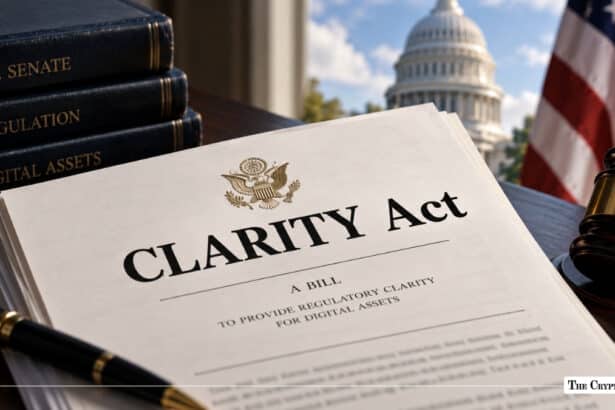
New York Attorney General Letitia James is leading 18 state attorneys general and the District of Columbia in asking the U.S. Senate to change the Digital Asset Market Clarity Act before it moves forward.
The officials warn that the bill, as written, could make it harder for states to investigate crypto scams, take scammers to court and protect investors.
The bipartisan group made its position clear in a letter sent on Monday, September 14, to Senate Banking Committee Chairman Tim Scott and Ranking Member Elizabeth Warren. The attorneys general want the bill to clearly protect the power states already have to enforce securities and commodities laws.
They said unclear parts of the bill could give scammers a chance to fight state enforcement actions in court and delay efforts to hold them responsible.
“We write to urge the Senate to expressly preserve the police powers of the states and ensure that the states remain armed with the tools necessary to protect the American people from predatory scammers,” the officials wrote.
Crypto scams are costing victims
They are giving this warning as Americans continue to lose large amounts of money to crypto scams. In fact, in April 2026, the FBI recorded $11.4 billion in losses from complaints involving cryptocurrencies in 2025, up 22% from the previous year.
The average reported loss was $62,604. The Federal Trade Commission also recorded $1.78 billion in crypto-related losses in 2025, a 25.6% increase from 2024.
States have taken hundreds of cases
For the attorneys general, those numbers show why states still need the power to act quickly when investors are targeted. Since 2017, state regulators have collectively taken more than 330 anti-fraud enforcement actions involving cryptocurrency scams, according to NASAA.
The actions have included shutting down fraudulent websites and schemes and pursuing remedies for victims who may have had few other avenues for recovery.
The group is especially concerned about the bill’s language on state registration and licensing powers. States use these rules to monitor businesses, investigate possible wrongdoing and take action when companies break the law. The attorneys general said parts of the current bill could be read as taking away some of those tools.
SEC could gain wider control
The coalition also questioned a provision that could allow the Securities and Exchange Commission to preempt state authority through the bill’s definition of a “qualified transaction.” The officials said this could give the SEC wide control over areas traditionally subject to state securities regulation.
James pointed to New York’s record of taking action against crypto companies as another reason to keep state powers in place. Her office has pursued cases involving Coin Café, Gemini, Genesis and KuCoin, among others, over alleged violations of state law and failures to protect investors.
“My office has proudly led the fight to protect New Yorkers and all Americans from rampant cryptocurrency fraud,” James said in a statement. “As written, the Clarity Act would embolden scammers and potentially strip attorneys general of our authority to protect our states’ investors and their wallets.”
Other groups oppose parts of bill
The concern is not limited to Democratic officials. Republican attorneys general, including Kris Kobach of Kansas and Andy Wilson, joined James and other Democratic attorneys general in signing the letter.
The Clarity Act is also facing opposition from other groups over separate parts of the bill. The Indian Gaming Association raised concerns about the proposed expansion of Commodity Futures Trading Commission powers, especially around prediction markets involving sports betting and casino games. The bill also remains disputed over rules covering stablecoin yield and rewards.
Senator Cynthia Lummis, said in a post on X that she met with Bean in June. She said Bean did not raise opposition to the language at the time.
For the state attorneys general, however, the main issue is clear: they want Congress to make sure the new rules do not leave states with fewer tools to fight crypto fraud. They are asking lawmakers to fix the unclear parts of the bill before moving ahead.
Also Read: US House Panel to Review Two Crypto Tax Bills on Sept. 16