Key Highlights
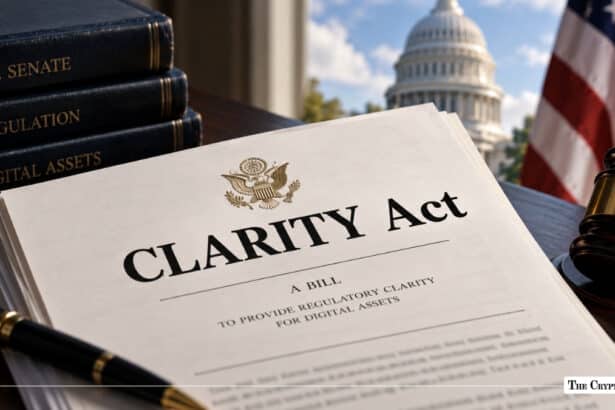
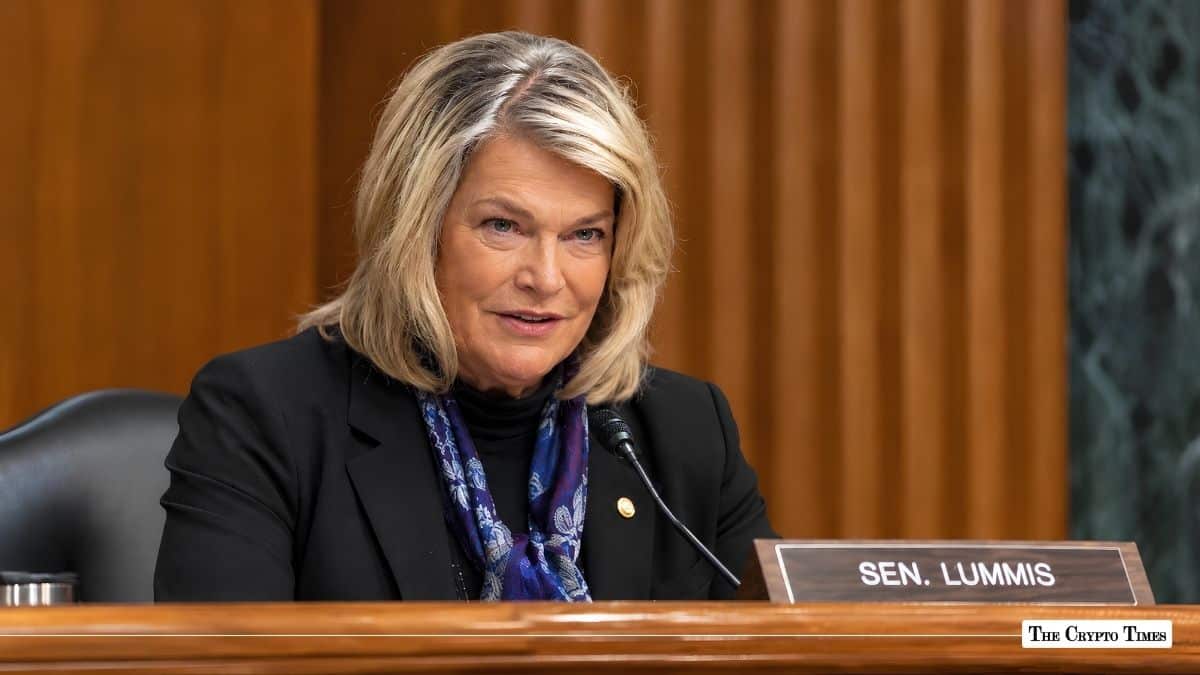
- Sen. Cynthia Lummis said Congress faces a critical opportunity to advance the CLARITY Act as the Senate prepares for its September 15 cloture vote.
- Lummis said the bill reflects more than 12 months of negotiations and incorporates 126 substantive changes requested during discussions.
- Lawmakers are scheduled to vote on cloture for the motion to proceed to H.R. 3633 at 2:15 p.m. ET on September 15.
Sen. Cynthia Lummis (R-Wyoming) stated in an opinion piece published in The Hill on September 14 that Congress faces a final opportunity to pass the Digital Asset Market Clarity Act, commonly known as the Clarity Act. The remarks came one day before a scheduled procedural vote in the Senate.
According to the op-ed, Lummis wrote that after 12 months of negotiations, the measure represents a bipartisan compromise. She noted that the bill addresses regulatory uncertainty over which federal agency oversees digital assets. The lack of clear jurisdiction has complicated consumer protections and prompted some companies to operate outside the United States.
Legislative schedule and recent developments
The Senate is set to vote at 2:15 p.m. Eastern Time on Tuesday, September 15, on cloture on the motion to proceed to H.R. 3633. Cloture requires 60 votes to end debate. Republicans hold 53 seats, meaning the bill would need support from at least seven Democratic or independent senators if the Republican caucus remains unified.
Late Sunday, September 13, Senate Banking Digital Assets Subcommittee Chair Lummis, Senate Agriculture Committee Chairman John Boozman (R-Arkansas), and Senate Banking Committee Chairman Tim Scott (R-South Carolina) released a final draft of the legislation. The text was posted on Lummis’s Senate website along with supporting fact sheets.
Sponsors described the substitute as their last offer to Democratic negotiators. It incorporates 126 substantive changes requested over more than a year of discussions and is intended to be offered as an amendment in the nature of a substitute to the House-numbered bill if cloture is invoked.
Background of the legislation
Lummis and Sen. Kirsten Gillibrand (D-New York) first introduced the Responsible Financial Innovation Act in 2022 and reintroduced it in 2023. That measure formed the basis for the Clarity Act. The Banking Committee advanced a version of the bill on a 15-9 bipartisan vote in May.
The current text includes Title I provisions with tighter core definitions intended to prevent companies from structuring around securities law, a mandatory Securities and Exchange Commission certification process with a 90-day review window, and additional anti-evasion authority.
Two new titles added at Democratic request contain more than 20 sections on illicit finance. These cover sanctions compliance for decentralized finance platforms, authority related to offshore exchanges, and $150 million in additional funding for the Financial Crimes Enforcement Network. Five new consumer protection sections address digital asset ATMs.
Ethics provisions restrict the president, vice president, members of Congress, and federal judges from issuing or sponsoring digital assets for profit. The text also includes a commitment regarding placement of digital assets in a blind trust or divestment. Republican sponsors said President Trump agreed to the ethics provisions covering federally elected officials, judges and their spouses, with state attorneys general given a role in enforcement.
Industry and law enforcement positions
According to Lummis’s account, the legislation has received support from segments of the digital asset industry and from institutions including Goldman Sachs and Fidelity. The National Fraternal Order of Police and the National Sheriffs’ Association, which previously opposed the bill, have withdrawn their opposition after the inclusion of illicit finance and anti-money laundering provisions.
The op-ed states that failure to pass market structure legislation would leave the industry without custody rules. It notes that platforms have previously collapsed, resulting in customers pursuing recovery through bankruptcy proceedings. The text also references existing money-laundering pathways that the bill seeks to address.
No Democratic senators had publicly declared the ethics provisions sufficient as of the release of the final draft. The measure remains subject to the outcome of the Tuesday cloture vote.
Also Read: Galaxy Digital’s Alex Thorn Flags CLARITY Act’s Missing Criminal Shield for Developers