Crypto Times Logo Black
Google News Follow Banner
  • News
    • Market
    • Bitcoin
    • Ethereum
    • Altcoins
    • Regulations & Policies
    • DeFi News
    • Blockchain News
    • Industry
  • Exclusive
    ExclusiveShow More
    SEC Cancels Crypto Meeting Why Rulemaking Just Hit Another Wall
    SEC Cancels Crypto Meeting: Why Rulemaking Just Hit Another Wall
    Internet Computer (ICP) Tops Blockchain Transactions Chart: Here’s What It's Actually Doing
    Internet Computer (ICP) Tops Blockchain Transactions Chart: Here’s What It’s Actually Doing
    Ethereum’s Staking War Why EIP-8361 Has DeFi Leaders Fighting Back
    Ethereum’s Staking War: Why EIP-8361 Has DeFi Leaders Fighting Back
    Nothing Is 100% Safe in Crypto Bitcoin’s Coldcard Exploit and Growing Security Crisis 
    Nothing Is 100% Safe in Crypto: Bitcoin’s Coldcard Exploit and Growing Security Crisis 
    From BitMEX to Leap Wallet 100+ Crypto Projects Have Shut Down in H1 2026
    From BitMEX to Leap Wallet: 100+ Crypto Projects Have Shut Down in H1 2026
  • Opinion
    OpinionShow More
    The Architecture of Trust Same Routes, New Risks in Global Tokenisation
    The Architecture of Trust: Same Routes, New Risks in Global Tokenisation
    The Architecture of Trust What 4,000 Years of Trade Teach Us About RWA Tokenisation
    The Architecture of Trust: What 4,000 Years of Trade Teach Us About RWA Tokenisation
    One P2P Trade, Months of Limbo Why Innocent Indian Crypto Users Keep Paying the Price
    One P2P Trade, Months of Limbo: Why Innocent Indian Crypto Users Keep Paying the Price
    CLARITY Act The Bill Exists, the Deal Does Not, Trump Has to Wait
    CLARITY Act: The Bill Exists, the Deal Does Not, Trump Has to Wait
    The Execution Gap: Why the Next Breakthrough in Financial AI is Human Behavior
    The Execution Gap: Why the Next Breakthrough in Financial AI is Human Behavior
  • Learn
    • Explained
    • How To
    • Insights
  • Videos
  • More
    • About Us
    • Our Authors
    • Contact Us
    • Editorial Policy
The Crypto TimesThe Crypto Times
  • All News
  • Market
  • Bitcoin
  • Ethereum
  • Altcoins
  • Regulations & Policies
  • Blockchain
  • DeFi
  • Industry
  • Exclusive
  • Opinion
Search
  • News
    • Market
    • Bitcoin
    • Ethereum
    • Altcoins
    • Regulations & Policies
    • Blockchain
    • DeFi
    • Industry
    • Exclusive
    • Opinion
  • Learn
    • Explained
    • How To
    • Insights
  • Quick Links
    • About Us
    • Our Authors
    • Contact Us
    • Editorial Policy
    • AI Policy
    • Sponsored & Advertorial Policy
  • Videos
  • Glossary
Follow US
© 2026 By Crypto Times. All Rights Reserved.
Blockchain News

Pi Network Upgrades to Protocol v26, Pushes Nodes to Update

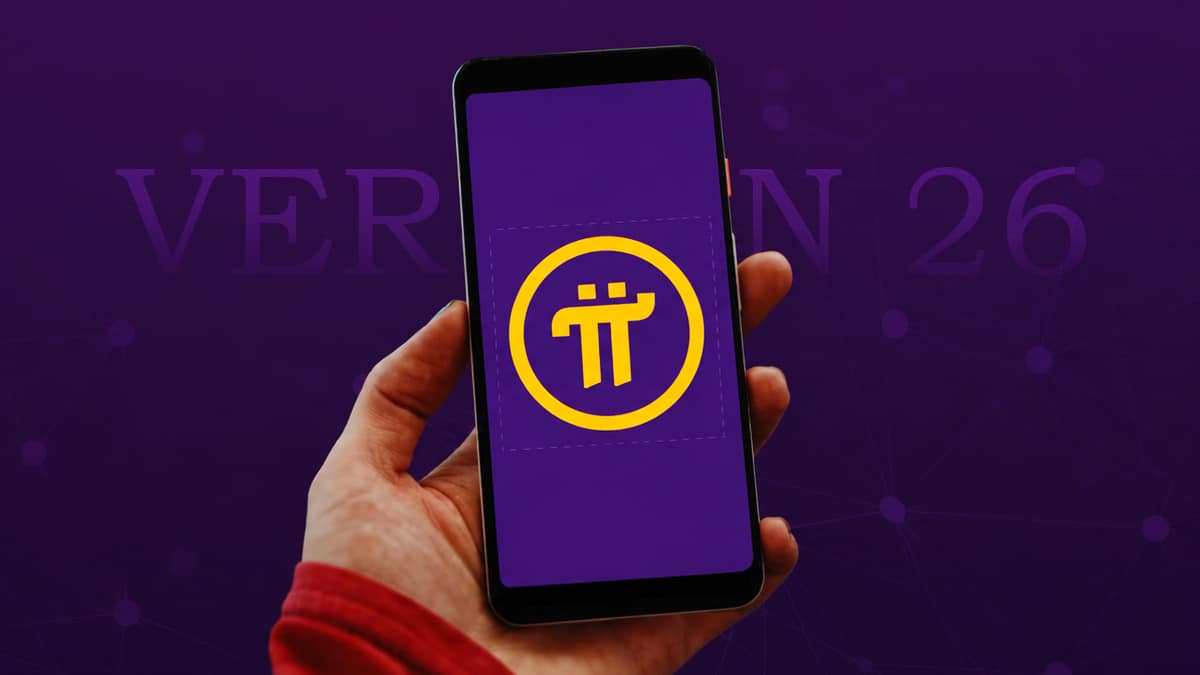
Pi Network has moved Mainnet infrastructure to Protocol v26, requiring Node operators to update their software as the blockchain continues its latest protocol upgrade.

Written By Isha Chavda
Fact Checked by Jahnu Jagtap
Published 44 minutes ago
Make The Crypto Times preferred on GoogleGoogle
Pi Network Upgrades to Protocol v26, Pushes Nodes to Update

Pi Network has released Node version 0.6.2 as its Mainnet blockchain moves through a Protocol v26 upgrade, bringing the latest changes to the software used by Node operators.

In a post on X, Pi Network said Node v0.6.2 includes updates to SoloHost, Node connectivity and the Pi Desktop user experience. The release comes as Mainnet operators work through the separate Protocol v26 migration.

AI Summary
Show
Pi Network’s Mainnet upgrade to Protocol v26 may impact node operators’ revenue and network participation
The upgrade focuses on contract safety, state management, interoperability, and cryptographic capabilities, affecting market trust
Node operators must complete the Protocol v26 upgrade by the deadline to remain connected and avoid potential financial losses

Pi’s Node documentation currently states that the Mainnet blockchain protocol is under upgrade and that every Mainnet Node must move to v26 within the published timeframe.

Node v0.6.2 adds SoloHost and connectivity updates

The latest Node software release is version 0.6.2.

Pi Network said the update includes improvements to SoloHost, Node connectivity and the desktop experience. These changes relate to how users run and manage the Node software rather than representing a new blockchain protocol by themselves.

Pi also said it had completed a distributed computing test through the SoloHost app.

The test is separate from the basic role of Nodes in supporting the Pi blockchain and relates to Pi’s testing of additional computing functions that can run through its Node infrastructure.

Pi did not provide detailed performance figures from the test in its post.

What Protocol v26 changes

Protocol v26 is the current Mainnet blockchain upgrade, and Pi Network has described it as a major protocol change ahead of the planned Protocol v27 upgrade.

According to Pi Network, v26 focuses on four areas: contract safety, state management, interoperability and cryptographic capabilities.

Pi Network said all Mainnet Node operators were required to complete the Protocol v26 upgrade by August 11 to remain connected to the network.

The project’s Node page also provides the upgrade instructions and deadline information for operators.

What Pi Nodes do

Pi Nodes run on desktop computers and form part of the infrastructure used to support the blockchain.

Unlike Bitcoin, Pi does not use proof-of-work mining. It uses the Stellar Consensus Protocol (SCP), in which participating nodes reach agreement through relationships known as quorum slices.

Pi says these relationships are connected to the trust graph created from users’ security circles.

The Node software has three participation levels: Computer App, Node and SuperNode.

The Computer App provides desktop access to functions associated with Pi’s mobile application. A Node runs the blockchain component and can verify blockchain activity and submit transactions for recording.

SuperNodes have a larger role in consensus. According to Pi’s documentation, they help reach consensus, write transactions to the ledger and keep other network participants updated with the latest blockchain state.

Pi’s original testnet had a centralized layer

Pi’s older Node documentation provides additional background on how the network was initially tested.

During the early Testnet, the blockchain component included a centralized layer controlled by the Pi Core Team. Pi said this allowed developers to test different network configurations and modify the implementation of SCP more quickly.

The system could be used to simulate changes in Node participation, network connectivity and other conditions before testing the network with real participant activity.

Pi said the centralized layer was intended to be removed after its testing purpose was completed.

However, the documentation explicitly warns that it describes the initial Testnet release and may not reflect Pi Network’s current implementation. It therefore should not be treated as a technical description of today’s Mainnet architecture.

Running a node requires more than the desktop app

Operating the blockchain component of Pi Node requires additional computer and network resources beyond simply using the desktop Pi application.

Pi’s original Testnet criteria considered uptime, internet stability, processor and memory capacity, router port access, previous community contributions, and security-circle information. Participants selected to operate Nodes or SuperNodes were also required to complete KYC.

Pi noted that these requirements could change as more performance data was collected.

The original Testnet documentation also said Node operators would not receive mining rewards during the initial testing period. Pi said it would first assess network performance before deciding whether a reward mechanism was needed.

These requirements and incentive details applied to the early Testnet and should not be treated as the current Mainnet economics.

Protocol development continues

The move to Protocol v26 puts the focus back on Pi’s current Mainnet infrastructure after several earlier upgrades.

Protocol 23 and Protocol 25 each required Mainnet Node operators to update their software, while v26 represents the network’s latest protocol change.

Pi’s older documentation provides context for the project’s original approach to Nodes and consensus, but the project itself cautions that parts of that material may have changed since the Testnet phase.

For Mainnet Node operators, the immediate task is therefore straightforward: follow Pi Network’s current Protocol v26 instructions and complete the required software upgrade within the published timeframe.

Also Read: Bank Leumi to Offer Bitcoin, Ethereum and Solana Trading via Galaxy

Disclaimer: The information researched and reported by The Crypto Times is for informational purposes only and is not a substitute for professional financial advice. Investing in crypto assets involves significant risk due to market volatility. Always Do Your Own Research (DYOR) and consult with a qualified Financial Advisor before making any investment decisions.

Follow The Crypto Times on Google News to Stay Updated!      Google News

TAGGED:Pi Network
Share This Article
Whatsapp Whatsapp LinkedIn Telegram Copy Link

Latest News

OCC Clears Trump-Backed World Liberty Trust Bank to Take Over USD1 From BitGo
Bitcoin Price Analysis: Early Bottom Signals Emerge as BTC Trades Near $63,000
Bitcoin Price Holds Near $63,000 as Early Bottom Signals Emerge
Trump, SEC, CFTC, Coinbase, Ripple Expected at White House Crypto Meeting
Galaxy Cuts CLARITY Act Passage Odds to 10% as Senate Delays Vote
SOL Goes Live on XRP Ledger as Axelar Brings Solana to XRPL

Find Us on Socials

You may also like

Chainalysis Warns AI Models Can Mislead Blockchain Investigations

Chainalysis Warns AI Models Can Mislead Blockchain Investigations

Solana Stays Online Despite 102 of 699 Validators Going Offline

Solana Stays Online Despite 102 of 699 Validators Going Offline

Solana Narrowly Avoids Finality Halt After Major Routing Fault

Solana Narrowly Avoids Finality Halt After Major Routing Fault

Crypto L1 Activity Surges 254% as BNB Chain Leads Address Growth

Crypto L1 Activity Surges 254% as BNB Chain Leads Address Growth

The Crypto Times Logo PNG

Providing real-time, accurate Crypto reporting. Your trusted source for Crypto News and Research.

Stay Updated

All News
Exclusive
Opinions
Learn
Videos
Glossary

Company

About Us
Our Authors
Editorial Policy
AI Policy
Advertorial Policy

Get In Touch

Contact Us
Career

Find Us on Socials

X-twitter Linkedin Telegram Youtube Instagram

© 2026 The Crypto Times | A BITROCK TECHNOLOGIES L.L.C. Company.

DMCA.com Protection Status
  • Terms and Conditions
  • Disclaimer
  • Privacy Policy
  • Cookie policy
Do Not Sell or Share My Personal Information