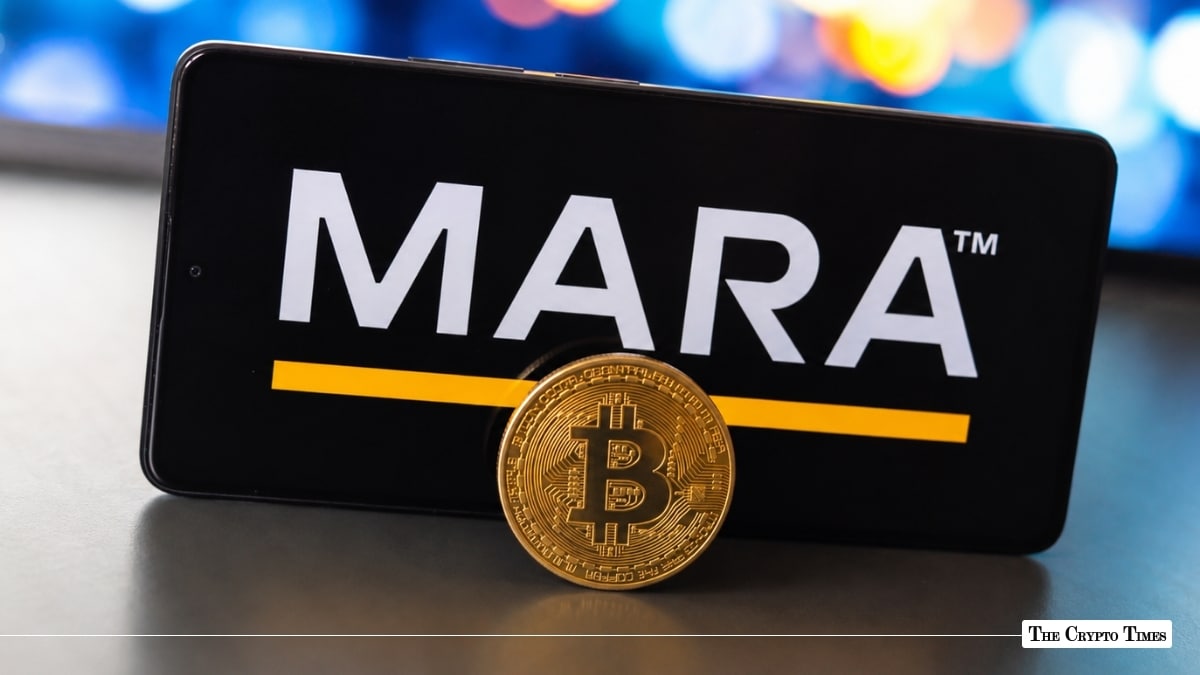
Public companies with significant Bitcoin exposure are charting markedly different courses in 2026. Strive, a dedicated Bitcoin treasury firm, continues aggressive accumulation, while MARA Holdings, a major Bitcoin miner, has monetized a substantial portion of its holdings to fund operations and expansion.
The contrast highlights evolving priorities in how firms treat Bitcoin, as a long-term reserve asset versus a flexible source of liquidity.
On August 10, Strive announced via its official X account that it acquired 147 Bitcoin last week, bringing total holdings to 20,167 BTC. The disclosure formed part of broader second-quarter 2026 highlights that included a 24% BTC Yield for the quarter and 38% for the first half of the year, full retirement of debt, and continuation of daily dividends on its SATA preferred stock.
The firm positions Bitcoin as its primary capital allocation hurdle rate and has grown its treasury rapidly through equity and preferred stock issuances while maintaining a debt-free balance sheet. The latest 147 BTC purchase extends a pattern of consistent buying that has taken holdings from under 8,000 BTC at the end of 2025 to more than 20,000 by early August 2026.
Data from BitcoinTreasuries.NET confirms that Strive holds 20,167 BTC, valued approximately $1.3 billion, as of Aug 10, 2026.
MARA Liquidates Nearly 23,100 BTC in First Half
In its Form 10-Q filed with the U.S. Securities and Exchange Commission (SEC) for the quarterly period ended June 30, 2026, MARA Holdings disclosed that it sold approximately 23,093 Bitcoin during the six months ended June 30, generating proceeds of $1.6 billion at an average price of $70,631 per Bitcoin.
As of latest data, the company held 35,577 Bitcoin, including amounts under its digital asset management strategy, with a fair value of approximately $2.1 billion based on a quarter-end price of about $58,524.
In the second quarter specifically, MARA mined 2,422 Bitcoin and sold 2,213 Bitcoin at an average price of $73,078. The company’s shareholder materials for the period confirm these figures and note that cash and cash equivalents stood at $421.3 million at quarter end. MARA has expanded its digital asset management strategy to permit sales of Bitcoin held on the balance sheet, stating that proceeds support operations, growth opportunities, and liquidity needs.
Subsequent to the quarter, the company pledged 18,750 Bitcoin as initial collateral for credit facilities. Holdings declined sharply from 53,822 Bitcoin at the end of 2025, reflecting both the scale of sales and the shift toward using Bitcoin as a productive and flexible asset rather than solely a long-term hold.
Two Models, One Asset Class
The parallel developments illustrate a clear divergence. Strive’s model centers on pure treasury growth, measuring success through BTC Yield and maintaining zero debt while issuing preferred equity that pays daily dividends. Its latest purchase and dashboard launch reinforce a commitment to transparent, ongoing accumulation.
MARA, by contrast, has moved from a primarily hold-oriented posture to active monetization. The $1.6 billion in H1 sales provided the largest source of investing cash flow in the period and supported broader initiatives, including energy and infrastructure expansion. At the same time, the miner continues to produce new Bitcoin and maintains a substantial remaining treasury of more than 35,000 coins.
Read: Michael Saylor and Strategy’s “Sell BTC, Raise Cash” Mantra Stresses Bitcoin Holders
These strategies are not mutually exclusive in the broader market, but they reflect different risk and capital priorities. Strive is effectively leveraging capital markets to expand Bitcoin exposure per share. MARA is converting a portion of its mined and held Bitcoin into capital for operational and strategic needs.
Both approaches are grounded in primary company disclosures—Strive’s official update and MARA’s SEC filing—and both will be tested by Bitcoin’s price trajectory and each firm’s ability to execute its stated capital allocation framework in the months ahead.
Also read: H100 Triples BTC Holdings in World’s First Bitcoin-for-Bitcoin Public M&A