Key Highlights
- Few and Far founder indicted for allegedly defrauding investors of more than $10 million meant for an NFT marketplace.
- Prosecutors allege investor funds were spent on gambling, crypto trading, luxury expenses, and other personal costs instead of building the project.
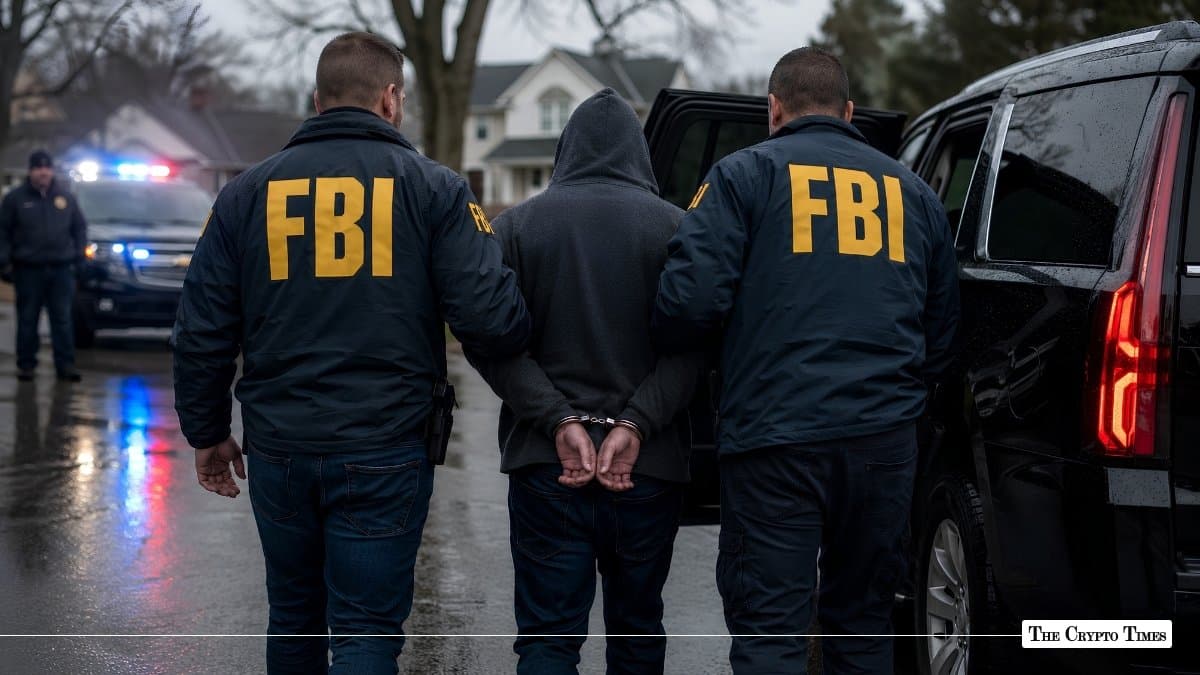
- The case comes amid a broader FBI crackdown on crypto-related crimes, including recent cases involving an FBI agent and a malware-based crypto theft scheme.
The U.S. Department of Justice (DOJ) has charged the founder of crypto startup Few and Far with allegedly defrauding investors of more than $10 million.
According to the DOJ release, founder Taj Tarsha raised money by telling investors it would be used to build an NFT marketplace. Instead, prosecutors allege he secretly spent much of the money on gambling, cryptocurrency trading, luxury expenses, and his personal lifestyle. Tarsha was arrested on June 6, 2026, and has now been indicted on securities fraud and wire fraud charges.
According to the indictment, Tarsha’s actions misled investors who believed they were helping fund the development of a new crypto platform. If convicted, he could face up to 20 years in prison on each charge. However, the charges are only allegations, and Tarsha is presumed innocent unless proven guilty in court.
How the alleged investment scheme started
Prosecutors said the story began in February 2022, when Tarsha started raising money for Few and Far. The company said it was building a decentralized marketplace where people could buy and sell non-fungible tokens (NFTs).
To raise money, the company sold Simple Agreements for Future Tokens, also known as SAFTs. Investors paid upfront with the promise that they would receive FAR tokens in the future once the project was ready.
According to prosecutors, Tarsha raised more than $10 million by selling 95 million FAR tokens to at least 67 investors. The money was supposed to help build the marketplace, improve the technology, and prepare the FAR token for launch.
Where the investor money allegedly went
Instead, investigators allege that Tarsha began using investor money for himself almost as soon as it arrived. The indictment claims he spent large amounts on online gambling and risky cryptocurrency investments.
It also alleges he quietly paid himself nearly $1 million through two bonuses that were hidden from investors and even from one of the company’s co-founders. Prosecutors also claim he received a high salary that he admitted was unreasonable because the company had no finished product and “zero revenue.”
Audit raised questions about the funds
The alleged scheme started to fall apart in June 2023 when an audit uncovered problems with the company’s finances.
According to prosecutors, Tarsha tried to calm investors by telling them the bonuses were tied to fundraising goals and that every transaction had been made to help the company. He also reportedly claimed that all of the remaining investor money was still needed to complete the project.
But investigators say the real situation was very different. According to the indictment, Tarsha had already let go of almost all of the company’s employees. The only contractor left was told to continue work that would make it look like development was still moving forward.
Prosecutors also allege that Tarsha kept spending investor money on personal costs for at least another year. Those expenses included more cryptocurrency purchases, payments for a loan on a condominium in Miami, interior design services, and even costs connected to his DJ hobby.
When the FAR token was finally launched in May 2024, prosecutors said it failed to deliver what investors had been promised. According to the indictment, the token was effectively worthless and stopped trading soon after its release.
“As alleged, Taj Tarsha raised millions of dollars from investors by promising that their investments would be used to build a marketplace for non-fungible tokens, but he instead breached their trust by stealing those funds for his own personal benefit,” Deputy United States Attorney Sean S. Buckley said.
He added, “Investors are entitled to the truth when choosing to make an investment, and this Office and our law enforcement partners will hold business leaders responsible when they lie for their own gain.”
Part of a wider FBI crackdown on crypto crime
The case is one of several recent cryptocurrency-related prosecutions announced by federal authorities.
A day ago, federal prosecutors charged veteran FBI counterintelligence agent Patrick Steven Yaroch with allegedly stealing about $1 million in cryptocurrency from accounts he was assigned to investigate. Investigators allege he used ChatGPT to help plan how he would spend the money and start a new life in Europe. Yaroch has been charged, but the allegations have not been proven in court, and he is presumed innocent unless found guilty.
In a separate case, the agency arrested 21-year-old Florida resident Zyaire Dontaevious Zamarion Wilkins over an alleged cryptocurrency theft operation that hid malware inside video games. According to investigators, the group uploaded infected games to a popular digital game platform and promoted them through Discord, Telegram, X, and LinkedIn.
The cases highlight federal authorities’ continued focus on cryptocurrency-related offenses, including alleged investment fraud, theft, and cybercrime involving digital assets.
Also Read: India ED Seizes ₹8.54 Cr More in BTC Fraud; Total ₹13.10 Cr