Key Highlights
- Florida man arrested over an alleged malware scheme that infected 8,000 devices and stole at least $220,000 from around 80 crypto wallets.
- Wilkins allegedly used malware-infected video games to steal users’ private data and gain access to their cryptocurrency accounts.
- Investigators traced crypto-linked funds through more than 150 gift cards and other digital records, helping connect the alleged scheme to Wilkins.
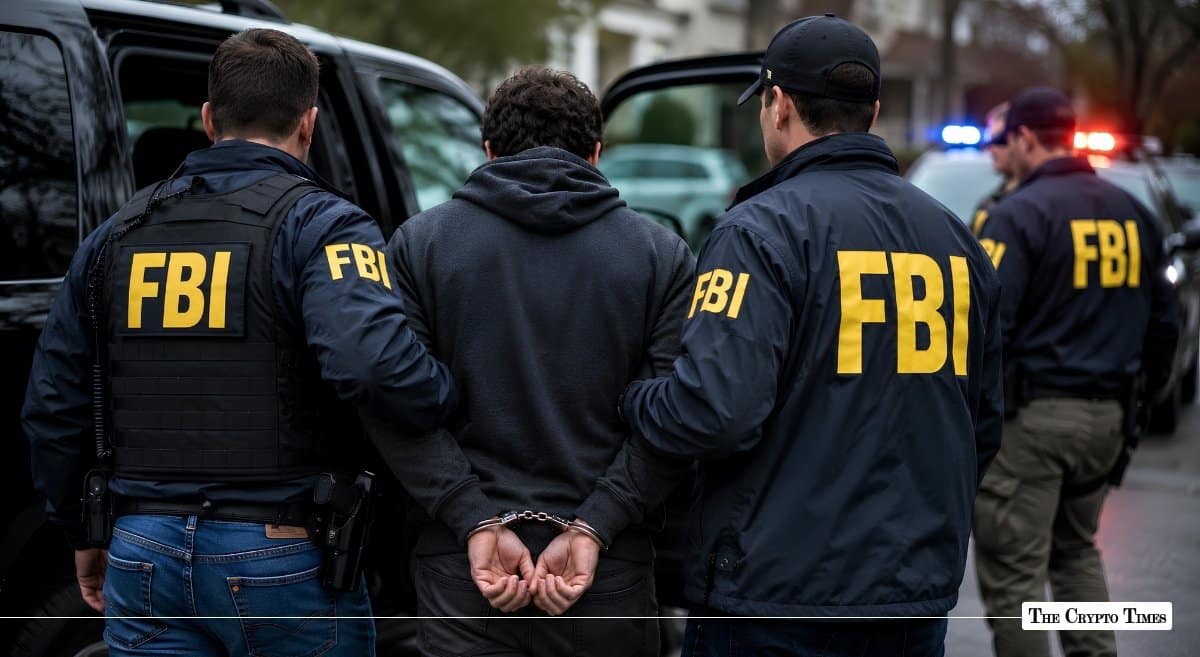
A 21-year-old Florida man has been arrested over an alleged crypto theft scheme that used malware hidden inside video games to target cryptocurrency users.
According to a court filing, the FBI alleges that Zyaire Dontaevious Zamarion Wilkins of North Lauderdale helped infect about 8,000 devices, gain access to roughly 80 crypto wallets, and steal at least $220,000 between May 2024 and February 2026.
How investigators tied the scheme together
Wilkins was arrested on July 14 and charged with conspiracy to obtain information by computer for private financial gain. According to the complaint, he worked with other people who allegedly placed malware inside video games and used them to target thousands of unsuspecting users.
The scheme allegedly worked by turning ordinary-looking video games into tools for stealing private information. The conspirators uploaded infected games to a popular digital distribution platform and promoted them across Discord, Telegram, X, and LinkedIn. They also allegedly used bots to search for people believed to hold large amounts of cryptocurrency and send them targeted messages.
Eight games allegedly helped spread the malware
The FBI says the group released eight malware-infected games during the alleged operation. The titles named in the complaint include DASHVERSE, Lunara, PirateFi, BlockBlasters, and an updated version of Lampy.
After users downloaded the games, the malware allegedly searched their devices for valuable information. This included login details, cookies, user tokens, auto-filled information, and other private data. The conspirators then allegedly used the stolen information to find details that could help them enter victims’ cryptocurrency accounts.
Investigators linked Wilkins to “Sibel.eth”
Investigators say Wilkins was connected to the online name “Sibel.eth.” The FBI alleges that he helped fund the operation and promote the infected games. An unidentified alleged co-conspirator told investigators that “Sibel.eth” provided funding to launch and market the games and was promised a share of the cryptocurrency stolen from victims.
Messages recovered during the investigation also allegedly showed discussions about “draining” cryptocurrency wallets. In simple terms, wallet draining involves tricking a victim into approving a transaction or giving up information that allows criminals to quickly move the victim’s crypto.
Following the crypto money trail
In one alleged conversation, “Sibel.eth” discussed paying about $10,000 for a remote access Trojan and other malware tools. The complaint also says investigators found evidence of discussions about how to get more people to download and play the infected games.
The investigation later followed cryptocurrency linked to the alleged scheme to Bitrefill, a service that allows users to buy digital gift cards with crypto. Investigators say more than 150 gift cards were purchased, including Uber Eats cards.
Uber records allegedly connected the gift cards to an account that made more than 500 food delivery orders worth over $9,000. The orders were sent to Wilkins’ North Lauderdale home and addresses connected to the University of West Florida.
Search uncovered devices and wallet seed phrases
Investigators also linked email accounts, phone numbers, online accounts, and cryptocurrency records to Wilkins. A search of his home allegedly led to the seizure of several digital devices and three cryptocurrency wallet seed phrases, including one linked to a Monero wallet.
The FBI says Wilkins had about $382,000 in total cryptocurrency transaction activity, although the alleged amount stolen from victims was at least $220,000. If convicted, he could face up to 10 years in federal prison.
Crypto remains a tool in wider criminal investigations
The FBI has been actively tackling crypto cases since the beginning of the year. Last month, U.S. authorities arrested three American citizens accused of conspiring to provide material support to ISIS, with investigators alleging that cryptocurrency transfers were used to help fund potential attacks against U.S. servicemembers overseas.
According to the U.S. Department of Justice, the three suspects allegedly transferred more than $2,000 to a person they believed was connected to ISIS. Authorities said the money was intended to help purchase weapons, including drones and rocket-propelled grenades.
The case is separate from the Wilkins investigation, but it highlights the wider challenge facing law enforcement as criminals and extremist groups attempt to use digital assets to move money.
Meanwhile, FBI Director Kash Patel has recently warned crypto scammers that the agency is intensifying its enforcement efforts. “Crypto fraudsters have been scamming and taking advantage of the American people for too long. No more! This FBI will find you, and we will bring you to justice!” Patel said.
Also Read: Fake KRO Token: India’s ED Arrests Three in ₹500 Cr Crypto Scam Probe