Key Highlights
- John Deaton criticized Democrats for opposing DOJ-led enforcement in the updated CLARITY Act.
- He argued that federal enforcement is essential to avoid a patchwork of state-level crypto regulations.
- Senate Republicans released an updated CLARITY Act with ethics, stablecoin, and blockchain regulatory provisions.
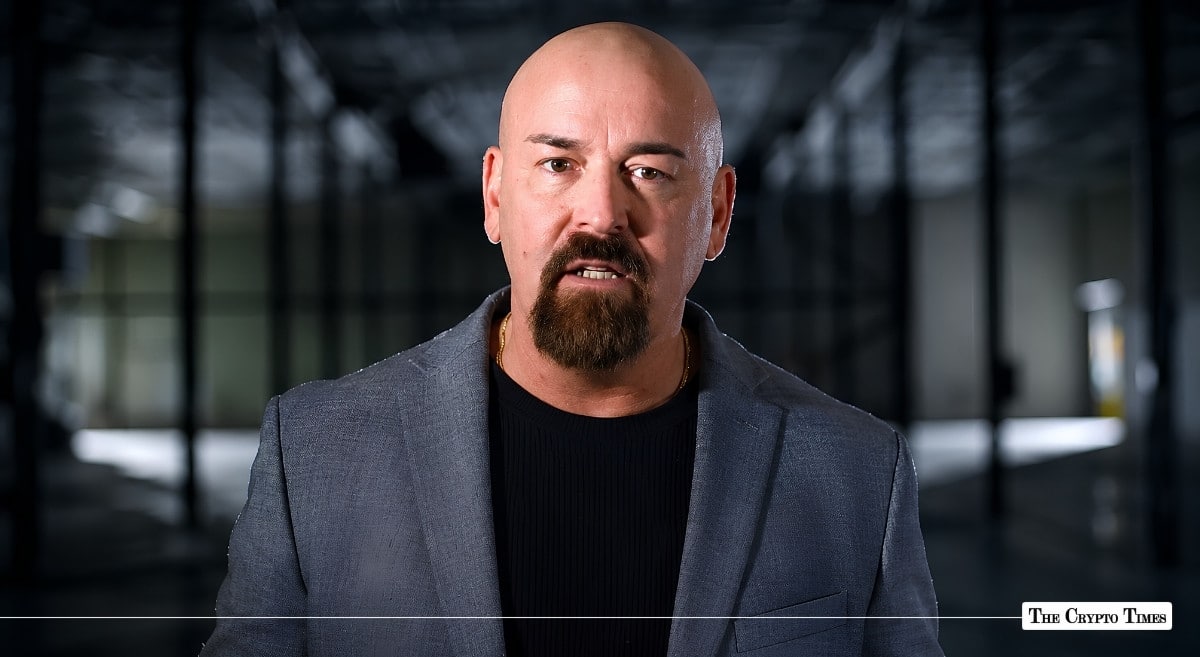
John Deaton, XRP advocate and attorney, has criticized Democrats over their opposition to the ethics enforcement provisions in the updated CLARITY Act. In a strongly worded statement directed at Senator Angela Alsobrooks and other Democrats, Deaton argued that requiring state attorneys general to lead enforcement would undermine the effectiveness of the federal legislation.
In an X post on Thursday, Deaton said he has previously criticized President Donald Trump on crypto-related matters when he believed policies harmed retail investors. However, he argued that the Department of Justice (DOJ), rather than 50 state AGs with varying political priorities, is the proper authority to enforce federal crypto rules uniformly.
He warned that involving state attorneys general could lead to inconsistent enforcement across states and increase the risk of politically influenced regulatory actions.
Federal framework vs. patchwork regulation
According to Deaton, handing enforcement to state officials would create the very regulatory uncertainty the CLARITY Act seeks to eliminate. He said legitimate market participants need clear, predictable rules rather than a system where compliance varies by jurisdiction.
Deaton also highlighted the absence of restrictions on government officials issuing memecoins or other digital assets, linking past failures like FTX to the lack of comprehensive federal oversight.
He further accused Democrats of prioritizing political considerations over consumer protection, claiming their opposition stems from a reluctance to hand Republicans a legislative victory ahead of the midterm elections. Deaton described that position as “disgusting” and “un-patriotic,” arguing that it ultimately harms the retail investors lawmakers say they want to protect.
Sen. Angela Alsobrooks called the White House’s proposal for DOJ enforcement an “unserious offer.” She indicated she would not support the bill if DOJ enforcement remains the sole option, according to reports from White House reporter Eleanor Mueller.
Updated CLARITY Act provisions
Senate Republicans released an updated version of the CLARITY Act following briefing calls with stakeholders on Wednesday. The revised draft addresses several key areas of digital asset regulation, including ethics rules for government officials, regulatory certainty for blockchain developers, stablecoin guidelines, and enhanced law enforcement tools.
The ethics package, negotiated between the White House and GOP senators, includes restrictions on public officials issuing or sponsoring digital assets for compensation.
Other sections of the bill, such as the Blockchain Regulatory Certainty Act (BRCA), remain largely unchanged and are intended to provide clarity for non-custodial developers. The legislation also includes provisions on stablecoin yields and new resources for law enforcement to combat crypto-related crime.
Tensions surrounding CLARITY Act
Deaton’s criticism highlights the growing partisan divide over the CLARITY Act as it moves closer to potential Senate consideration. Supporters argue the bill would provide stronger consumer protections and tools to prevent future scandals like FTX, while opponents continue to debate the appropriate balance of federal and state authority in enforcement.
The outcome of negotiations in the coming days could determine whether the legislation advances with bipartisan support or faces further delays.
Also Read: Circle Stock (CRCL) Drops Over 6% in 24 Hours Amid Market Pressure