Key Highlights
- German cooperative and savings banks are expanding crypto trading access for millions of retail banking customers.
- DekaBank is developing a platform for 340 savings banks, while DZ Bank already serves cooperative lenders.
- Each regional bank can independently decide whether to adopt the new crypto trading service for its retail customers.
- A survey found 38% of Germans trust their primary bank for crypto, compared with 19% for crypto platforms.
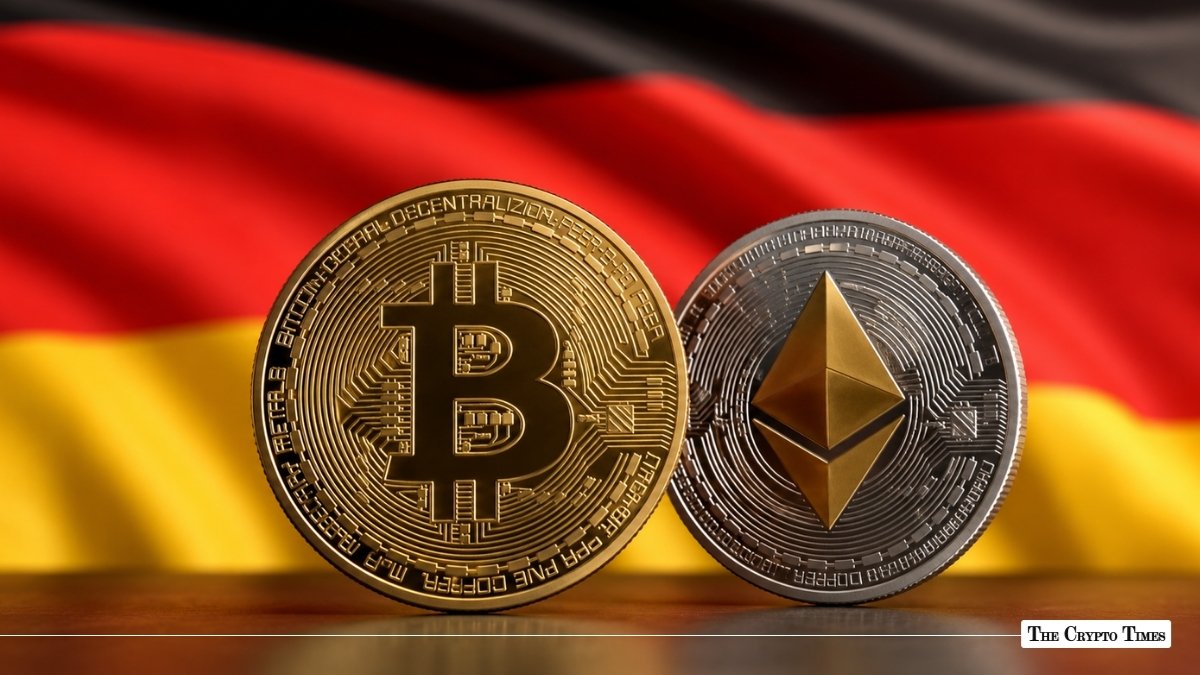
Germany’s cryptocurrency market is set to broaden as the country’s cooperative banks and savings banks prepare to offer crypto trading directly to millions of retail customers, allowing them to buy and sell digital assets through their existing banks instead of specialized crypto exchanges.
The move marks a notable shift for Germany’s traditionally conservative banking sector, which only a few years ago considered retail crypto trading too risky.
Local banks enter crypto
Some of Germany’s nearly 650 cooperative banks have already introduced crypto trading through a platform developed by DZ Bank. Customers can trade Bitcoin, Ethereum, Litecoin and Cardano within their existing banking environment.
Meanwhile, DekaBank is building a separate crypto trading platform for Germany’s approximately 340 savings banks. The product is expected to launch later this year before being introduced in phases across participating institutions.
Participation will remain voluntary, allowing each local bank to decide whether to offer the service. “We expect that a significant three-figure number of banks will offer the product in the future,” Markus Bärenfänger, a product specialist at DZ Bank, said.
Julian Schmeing, a partner at financial consultancy ZEB, said the arrival of the two major banking groups signals a broader shift in the market. “Crypto trading is now reaching a broader audience,” Schmeing said. “Cryptocurrencies are no longer a niche topic.”
Why banks changed course
The rollout marks a notable shift for Germany’s banking industry.
Only four years ago, the country’s savings banks rejected plans to offer cryptocurrency trading to retail customers, citing what they described as “incalculable risks.” Rising customer demand has since prompted many institutions to reconsider that position.
Germany has historically maintained a cautious approach to finance. The country is known for fiscal conservatism, widespread reliance on traditional banking and relatively cautious attitudes toward speculative investments. Against that backdrop, many banks were initially reluctant to offer crypto trading.
Providing crypto services through existing banking apps and platforms means customers can access digital assets without opening accounts with specialist crypto exchanges.
Maintaining trust and relevance
Industry participants believe customer trust may become a key advantage for traditional banks entering the crypto market.
A survey by crypto infrastructure provider Boerse Stuttgart Digital found that roughly one-quarter of respondents in Germany have invested in cryptocurrencies, broadly in line with neighboring European markets. The same survey also found that Germans were more likely to trust their primary bank than dedicated cryptocurrency trading platforms, with about 38% expressing confidence in their bank compared with 19% for specialized crypto providers.
Volksbank Raiffeisenbank Würzburg, one of the first cooperative banks to introduce cryptocurrency trading, said several hundred customers are already using the service. “Now, trading takes place in a familiar environment,” board member Claus Reder said. “That gives the trading service a certain credibility.”
Additionally, for some regional lenders, crypto trading is also a key to remain relevant in the competitive landscape rather than only focusing on generating direct profits.
Ralf Kölbach, head of cooperative lender Westerwald Bank, said banks that do not offer cryptocurrency trading risk becoming less relevant for younger or more tech-oriented customers. “If a local bank doesn’t offer cryptocurrency trading, it loses relevance in certain segments of the market, for example, among young or tech-savvy customers,” Kölbach said.
Crypto risks fuel skepticism
Amid this update, there are players who are skeptical about the banking sector’s move into crypto.
Co-Pierre Georg, a professor at Frankfurt School of Finance & Management, warned that broader access through trusted local banks could encourage investors who underestimate the risks associated with highly volatile digital assets.
“It is concerning that the floodgates to the cryptocurrency market are now being opened by savings and cooperative banks,” Georg said, adding that many traditional banking customers “probably don’t fully grasp the risks of cryptocurrencies.”
Germany’s savings banks association, DSGV, has also stressed that cryptocurrency trading is intended for self-directed investors and remains a highly speculative investment that carries the risk of total loss.
Reder, however, said he expects cryptocurrencies to become a more established asset class alongside stocks, bonds and private market investments, while adding that they should complement rather than replace traditional holdings.
As DekaBank prepares to launch its platform later this year and more cooperative banks decide whether to adopt DZ Bank’s service, crypto trading is expected to become available through a larger number of Germany’s regional banks.
Also Read: Crypto-Friendly Erebor Bank Eyes $8B Valuation Amid Growth