Key Highlights
- Erebor Bank is reportedly exploring a new funding round at a valuation of at least $8 billion.
- The valuation would nearly double its $4.35 billion valuation from late 2025.
- Deposits have reportedly climbed to $4.05 billion, almost four times higher than three months ago.
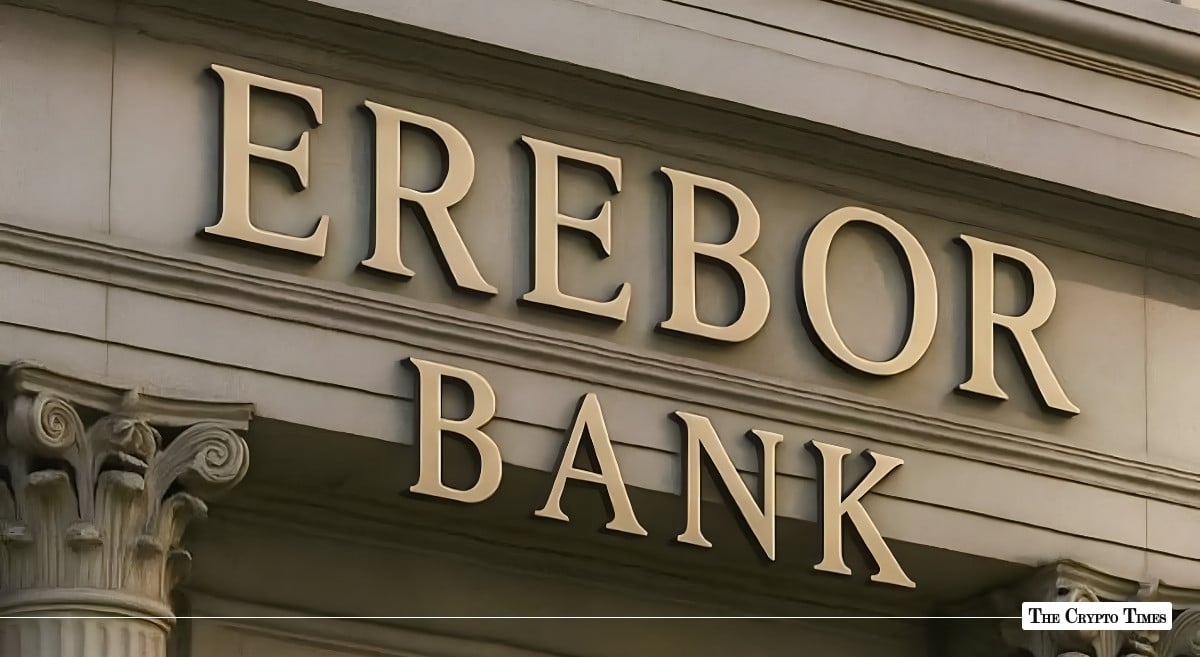
Erebor Bank, the federally chartered digital bank backed by Palmer Luckey and billionaire investor Peter Thiel, is reportedly seeking fresh funding at a valuation of at least $8 billion, following growth in deposits and institutional banking activity.
According to a Bloomberg report, the fundraising discussions remain in their early stages, but the proposed valuation would nearly double the $4.35 billion level Erebor secured during its previous financing round late last year.
Neither the valuation nor the fundraising has been finalized, and a spokesperson for Erebor declined to comment on the discussions.
Deposits nearly quadruple in three months
The reported fundraising comes as Erebor continues expanding its balance sheet at a rapid pace. According to people familiar with the company’s financials, deposits have risen from $1.1 billion at the end of March to approximately $4.05 billion, representing nearly a fourfold increase within a single quarter.
The bank has also reportedly added nearly 400 new customers over the same period and expects to become profitable before the end of 2026.
Despite Erebor’s close ties to Silicon Valley’s defense technology ecosystem, founder Palmer Luckey said the latest growth extends well beyond companies affiliated with him. “Zero percent of Erebor’s deposit growth this quarter has come from my own companies. All the growth is from hundreds of new customers choosing Erebor because they want what we’ve built,” Luckey said.
Filling the gap left by Silicon Valley Bank
Launched earlier this year after receiving a national bank charter from the Office of the Comptroller of the Currency (OCC), Erebor was created to serve industries that many founders believe remain underserved by traditional financial institutions.
Named after the mountain kingdom in J.R.R. Tolkien’s The Hobbit, the bank primarily targets clients in sectors including defense technology, advanced manufacturing, artificial intelligence (AI), cryptocurrency, and hard-tech startups.
The strategy positions Erebor as a potential successor to Silicon Valley Bank, whose collapse in 2023 left many venture-backed startups searching for specialized banking partners.
Luckey said much of Erebor’s recent expansion has come from companies focused on rebuilding U.S. manufacturing capacity. According to the report, the bank has increased lending across equipment financing, venture debt, and other credit facilities supporting industrial and defense businesses.
Crypto banking strategy faces political scrutiny
Digital assets remain central to Erebor’s long-term strategy. The bank plans to support U.S. dollar-backed stablecoin deposits and payment infrastructure, offering crypto-native businesses access to regulated banking services under its national charter. The approach aligns with growing institutional interest in regulated stablecoin infrastructure as U.S. lawmakers continue advancing crypto legislation.
Erebor’s rapid regulatory approval has also drawn political attention. Senator Elizabeth Warren questioned whether the bank’s political connections helped accelerate its approval process, adding another layer of scrutiny to its launch.
Venture investors continue backing Erebor
While the identity of potential new investors remains unknown, Erebor has already attracted backing from several of Silicon Valley’s largest venture firms, including Founders Fund, Andreessen Horowitz (a16z), Lux Capital, and 8VC.
If the reported fundraising proceeds near the proposed valuation, it would mark one of the largest valuation increases among newly chartered U.S. banks and reinforce investor confidence in financial institutions serving the growing defense technology and digital asset sectors.
Also read: Binance Set to Enter Philippines After SEC Sandbox Approval