Key Highlights
- Robinhood CEO Vlad Tenev says the future of crypto is in real-world assets, not memecoins.
- Robinhood launched Stock Tokens and Robinhood Chain to expand tokenized finance and blockchain services.
- The company also added new Wallet features, including perpetual futures, Apple Pay, Google Pay, and 90 days of free gas fees.
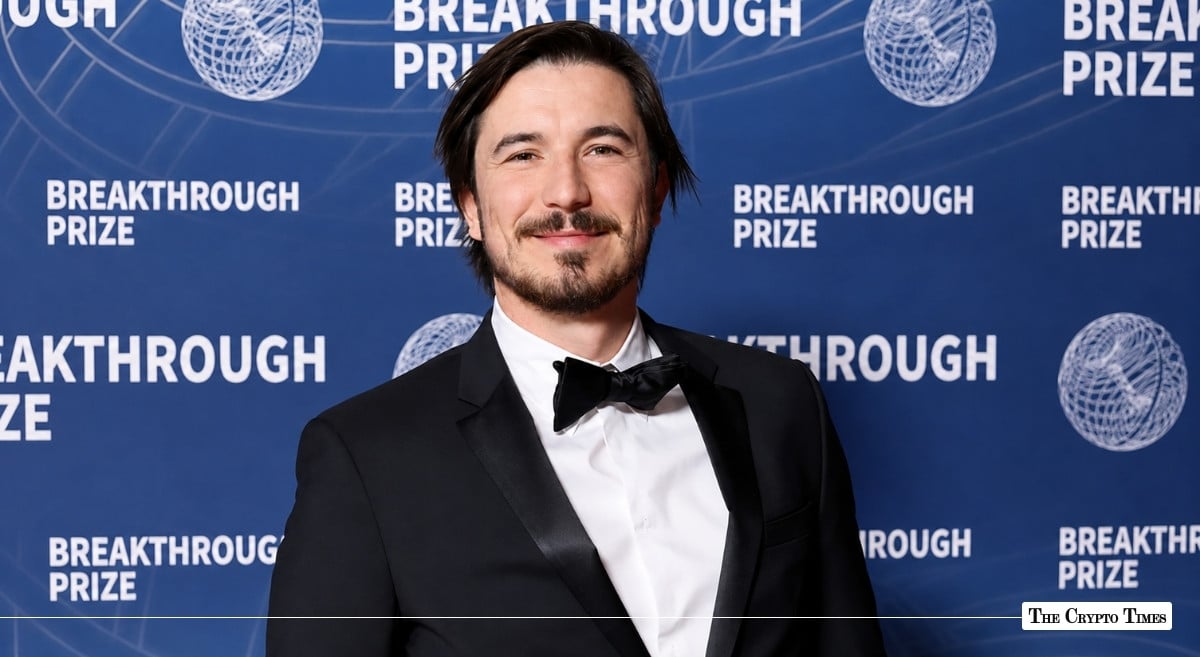
Robinhood CEO Vlad Tenev has made a clear statement about where he believes the future of crypto is heading.
Speaking at a CNBC interview on Thursday, he said the next big phase of the industry will not come from memecoins or random tokens with no real purpose, but from real-world assets being moved onto blockchain systems.
“The future of crypto is in real-world assets,” he said. “What’s the benefit of making a million different memecoins?” His point was that crypto should solve real problems and connect to real value, not just follow hype.
Crypto is becoming financial infrastructure
Tenev explained that real-world assets (RWAs) include stocks, bonds, and even shares of private companies. These are assets that people already trust in traditional finance. He believes these assets make more sense on blockchain because they already have real value behind them. Instead of creating new coins that are only driven by excitement or social media trends, he says the industry should focus on bringing real financial products onto the blockchain.
He also said crypto is slowly changing from just a trading space into something much bigger. According to him, it is becoming the “infrastructure” that could run global financial systems in the future. That means things like payments, trading, and investments could all move onto blockchain systems over time. He believes this shift is strong and unavoidable, like a train that keeps moving forward.
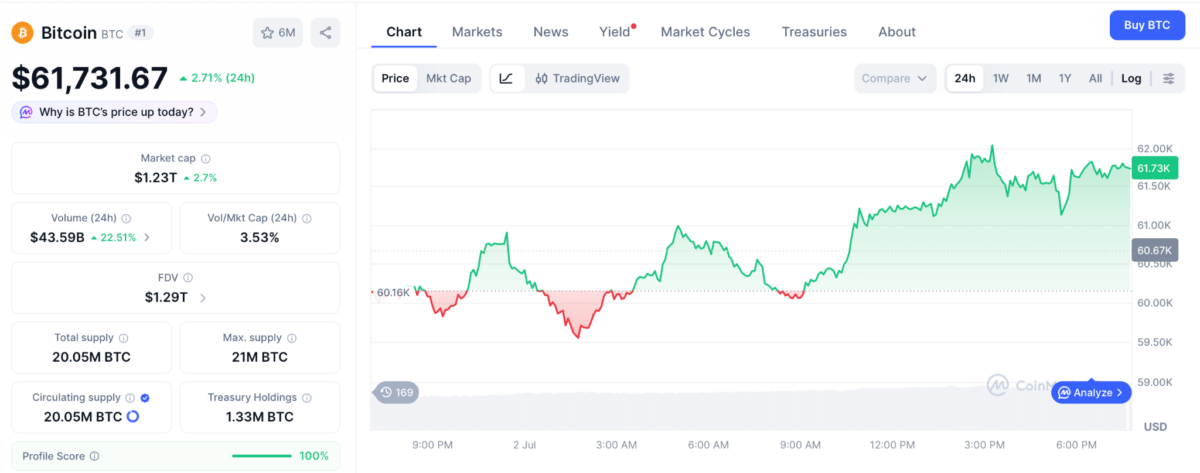
Even though the crypto market has experienced a difficult period this year, with Bitcoin currently trading around $61,731 and the total crypto market losing about $1 trillion in value, Tenev said interest in real-world use cases continues to grow.
He pointed out that big financial companies and payment firms are now showing more interest in blockchain and tokenized assets. This, he believes, is a sign that the industry is slowly maturing.
Robinhood puts the vision into action
Tenev’s comments follow Robinhood’s rollout of a major set of updates that align with this strategy. On Wednesday, the company launched Stock Tokens, allowing eligible users to trade tokenized versions of U.S. stocks at any time, day or night.
Unlike traditional stock markets that close at certain hours, these tokenized assets can be traded 24/7 through blockchain systems. Robinhood also shared plans to eventually offer exposure to private companies like OpenAI through similar tokenized products.
At the same time, the company launched its own blockchain, Robinhood Chain, built as an Ethereum Layer 2 using Arbitrum technology. This network is designed specifically for real-world assets, decentralized finance, and future financial tools.
The company also upgraded its wallet system. Users can now trade perpetual futures through a decentralized exchange called Lighter. On top of that, users can fund their wallets using Apple Pay and Google Pay, which makes it much easier for everyday users to join the system without stress or technical steps.
To support early adoption of its new blockchain, Robinhood said it will cover gas fees for swaps, bridge transfers, and perpetual futures trading for the first 90 days, subject to applicable conditions. The company said the initiative is intended to encourage users to try the platform without incurring transaction costs.
Also Read: Securitize Goes Public on NYSE as SECZ, Tokenizes Shares on Day One