Key Highlights
- Community banks say they are being sidelined as the Trump administration advances a crypto-friendly regulatory agenda.
- Smaller lenders worry stablecoins and digital asset firms could draw deposits away from traditional local banks.
- Industry groups like ICBA have opposed certain crypto banking initiatives, citing risks tied to regulation, fraud, and consumer protection.
As the Trump administration is focusing on the agenda to make “America the crypto capital”, and rolling out layers of financial oversight, America’s community banks find themselves increasingly on the periphery of policy wins.
These local lenders, long celebrated by politicians as the backbone of Main Street economies, are watching larger institutions capture much of the momentum in deregulation efforts, while crypto’s rise poses unique competitive and operational challenges.
Community banks, typically those with under $10 billion in assets, play an outsized role in fueling local growth. They channel roughly 75% of deposits back into nearby loans for small businesses, families, and farms, far exceeding the roughly 40% reinvestment rate of the nation’s largest banks.
This localized focus has historically provided stability, with smaller institutions often maintaining lending during economic downturns when big players pull back. Yet their numbers have dwindled sharply over two decades as customers flock to national giants offering digital convenience and broader services.
But smaller banks have less room to maneuver, and the big-bank oversight framework built after the financial crisis is being dismantled at the same time — giving large institutions a new edge. Stress testing has been softened. Subjective on-site regulatory assessments have been scaled back. The OCC now applies “heightened” scrutiny only to the most massive banks, effectively lowering standards for a broader swath of large lenders.
Industry insiders express frustration
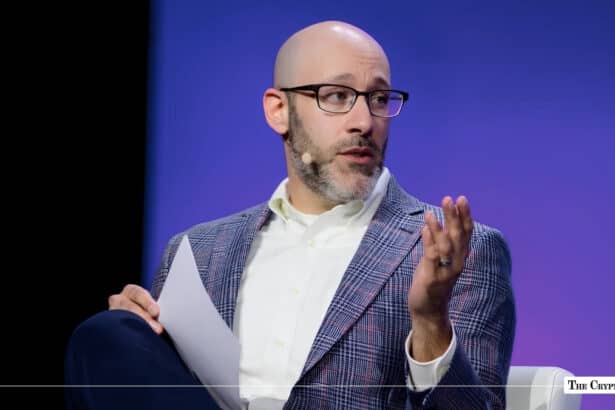
Industry insiders express growing alarm. Former community banker Preston Kennedy, once a leader at Louisiana’s Bank of Zachary and a longtime ICBA board member, voiced frustration over missed opportunities despite sympathetic figures heading key regulatory and congressional posts.
“It is incredibly frustrating to watch, particularly right now, where there are opportunities for community banks to take full advantage of who is in leadership at the regulators and in Congress,” said Preston Kennedy, former president and CEO of Louisiana’s Bank of Zachary and a longtime board member of the Independent Community Bankers of America. “Instead, we have just opted to sit on the sidelines.”
Many attribute the sidelining partly to the Independent Community Bankers of America (ICBA), suggesting internal rifts have weakened unified advocacy. Others point to structural realities: smaller banks’ reduced footprint in daily American finance limits their Washington clout.
Noah Wilcox, president and CEO of Grand Rapids State Bank in Minnesota and a recent ICBA board member, framed the issue in terms of opportunity cost. “We are not taking advantage of the opportunities to leverage our capital in Washington and being certain that we are being vocal,” Wilcox said.
Trump’s pro-crypto stance accelerates community tensions
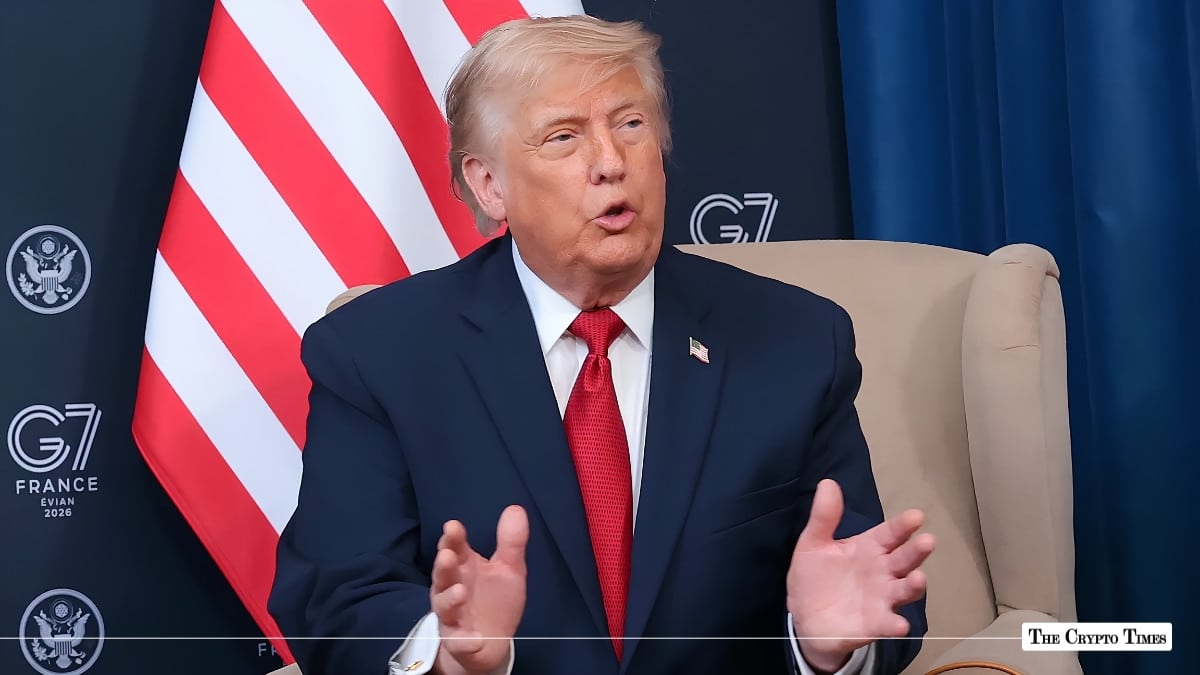
The crypto agenda amplifies these tensions. President Trump’s early moves, including Executive Order 14178 on digital financial technology, established frameworks favoring innovation, stablecoins, and reduced barriers for crypto firms.
Subsequent actions, like orders against “debanking” and removing reputation risk from supervision, aim to integrate digital assets more deeply into finance. While this opens doors for partnerships, many community banks worry about deposit flight into stablecoins, heightened cybersecurity risks, fraud exposure, and competition from nimble non-banks.
ICBA has responded assertively. The group recently launched a national campaign contrasting reliable community banking with the perceived risks of unregulated crypto, urging pauses in policy rushes to protect consumers and local economies. ICBA also raised flags on stablecoin legislation like aspects of the GENIUS Act, emphasizing the need for stronger safeguards.
Proponents support Trump’s stance
White House economists published a report in April 2026 arguing that banning stablecoin yield would only boost traditional bank lending by 0.02%, or $2.1 billion — most of which would come from large banks anyway, not community lenders. The White House explicitly concluded that the banking industry’s argument misunderstands how stablecoins interact with the broader financial system.
Critics warn that diminished influence for small banks could accelerate consolidation, starving rural areas and small enterprises of credit. This risks broader economic ripple effects, as these institutions anchor community resilience.
Proponents of the administration’s agenda counter that lighter rules and fintech integration will spur overall growth, eventually benefiting adaptable local players through innovation and partnerships.
Near future remains a testing period
Leaders like Kennedy urge renewed engagement. Community banks must leverage relationships with regulators and Congress to shape outcomes, securing tailored capital rules, CRA relief, and balanced crypto guidance, rather than ceding ground. Some are exploring fintech collaborations cautiously, while others double down on personalized service as their differentiator.
The coming months will test whether community banks can reclaim relevance in a rapidly digitizing landscape. With deregulation favoring scale and innovation tilting toward crypto, the stakes extend beyond banking to the vitality of local economies nationwide.
Adaptation, strategic advocacy, and highlighting their irreplaceable lending role may determine if Main Street lenders thrive or continue fading into the background.
Also Read: GTA 6 Preorder Hype Revives Vice City and Rockstar Tokens