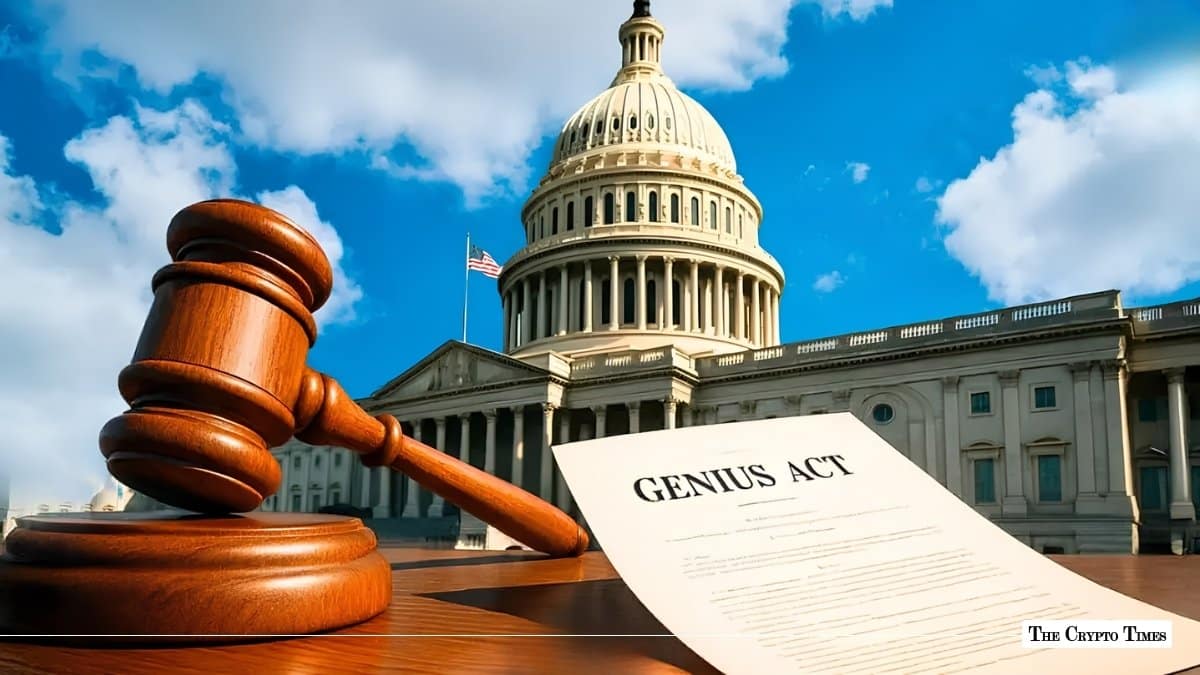
U.S. financial regulators today proposed new customer identification requirements for payment stablecoin issuers, advancing the implementation of the Guiding and Establishing National Innovation for U.S. Stablecoins (GENIUS) Act.
The proposal, issued jointly by the Financial Crimes Enforcement Network (FinCEN), the Federal Deposit Insurance Corporation (FDIC), the Office of the Comptroller of the Currency (OCC), the Federal Reserve Board, and the National Credit Union Administration (NCUA), would require licensed payment stablecoin issuers to establish and maintain customer identification programs (CIPs) similar to those already used by banks and credit unions.
If adopted, the rule would require covered issuers to verify the identities of customers opening accounts as part of their obligations under the Bank Secrecy Act (BSA).
What issuers would need to do
The GENIUS Act classifies permitted payment stablecoin issuers as financial institutions under the Bank Secrecy Act, subjecting them to anti-money laundering and counter-terrorist financing obligations.
Under the proposed rule, issuers would be required to implement written customer identification programs that include procedures for collecting and verifying customer information, maintaining records, and determining whether applicants appear on government lists associated with terrorism or other prohibited activities.
The agencies said the proposal is intended to integrate payment stablecoin issuers into the existing U.S. anti-money laundering framework while maintaining standards already applied across the traditional financial system.
Regulators seek public feedback
The agencies have opened a 60-day public comment period following publication of the proposal in the Federal Register. According to the proposal, regulators are seeking feedback on how customer identification requirements should apply to permitted payment stablecoin issuers operating under the GENIUS Act’s licensing framework.
NCUA Chairman Kyle Hauptman said the proposal represents the next phase of implementing the law by aligning stablecoin issuers with existing customer identification standards used by federally regulated financial institutions.
He added, “It sets clear standards for identifying and verifying account holders and safeguards the interests of credit unions and their members. By establishing robust customer identification requirements, we are reinforcing our commitment to preventing money laundering and terrorist financing in our financial system”.
New York updates stablecoin framework
The federal proposal comes as New York is also updating its stablecoin regulations to align with the GENIUS Act. On June 9, the New York State Department of Financial Services (DFS) proposed new rules that would strengthen oversight of state-regulated stablecoin issuers while preserving existing requirements such as full reserve backing, redemption rights, reserve management, and independent audits.
The proposal adds new safeguards to match federal standards, with Acting Superintendent Kaitlin Asrow stating the changes are intended to keep New York’s regulatory framework aligned with the evolving national stablecoin regime while maintaining consumer protections.
Rule builds on earlier GENIUS Act proposals
The latest proposal follows several rulemakings issued after the passage of the GENIUS Act.
Last month, the NCUA proposed operational and risk management standards for licensed payment stablecoin issuers under its supervision. Earlier this year, the agency also released a proposed framework governing how eligible stablecoin issuers can apply for authorization under the Act.
Together, the proposals are intended to establish the supervisory, licensing, and compliance framework for payment stablecoin issuers that fall under the NCUA’s jurisdiction, including subsidiaries of federally insured credit unions.
Part of a broader stablecoin regulatory rollout
The customer identification proposal marks another step in the federal government’s effort to implement the GENIUS Act through coordinated rulemaking.
Once finalized, the framework would place payment stablecoin issuers alongside banks and other financial institutions that already operate under customer due diligence and anti-money laundering requirements, further integrating regulated stablecoins into the U.S. financial system.
Also Read: Malta Pushes to Define What Actually Counts as ‘Decentralized’ Under MiCA