Key Highlights
- U.S. lawmakers held a hearing to review new crypto tax bills aimed at making digital asset taxation clearer and fairer.
- The bills focus on key issues like staking and mining taxes, small transaction limits, wash sale rules, and crypto donations.
- Debate continues, with support from Coinbase and pushback from experts and banking groups over fairness and complexity in the proposed tax rules.
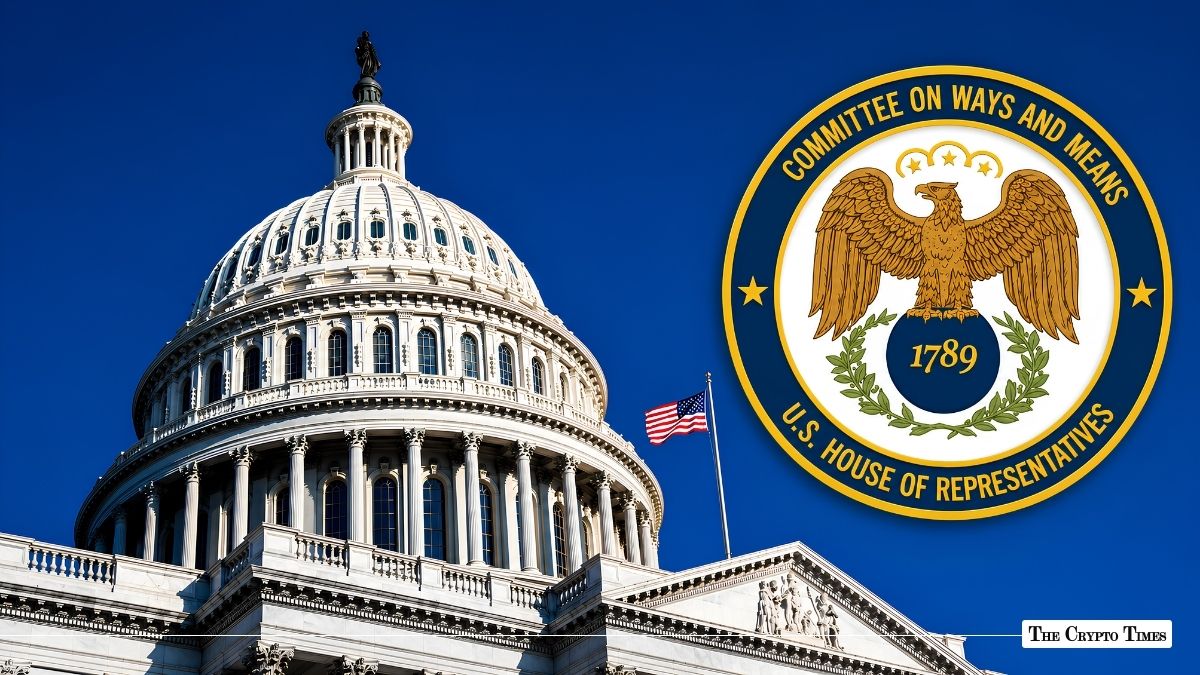
The U.S. House Ways and Means Committee is holding a public hearing in Washington, D.C. to examine a set of new cryptocurrency tax bills that could change how digital assets are taxed in the United States.
The hearing, which started at 2 p.m. ET on Tuesday, brought lawmakers together to discuss how crypto should be taxed fairly and practically.
Seven crypto tax bills under review
Lawmakers are reviewing new bills introduced by Republican members of the tax committee to address perceived gaps in the current tax system.
One proposal would exempt small crypto transactions from taxation, reducing compliance burdens for everyday users. Another would defer taxes on mining and staking rewards until the assets are sold, rather than taxing them when they are received.
There is also a proposal to apply “wash sale rules” to crypto, which would stop people from claiming tax losses if they quickly buy back the same asset after selling it. On top of that, there is a bill that tries to make crypto donations work the same way as stock donations when it comes to tax rules.
Wider crypto laws moving in Congress
The hearing comes as broader cryptocurrency legislation continues to advance in Washington. The Senate is also working on a crypto bill called the CLARITY Act, which aims to create a full legal system for the industry.
This follows the passage of stablecoin legislation last year, which regulators are now implementing. Together, these efforts signal a broader push by lawmakers to develop a more complete regulatory framework for digital assets, including taxation.
Pushback from experts and industry groups
However, not everyone has agreed with the bills. One of the most debated provisions is the effort to apply wash sale rules to crypto assets. Some industry experts argue that such rules could create significant compliance challenges for users.
Coin Center communications director Neeraj Agrawal, in a recent X post, said the idea is “unworkable,” warning it could disrupt decentralized finance activity and multi-wallet tracking.
Meanwhile, Banking groups, including the American Bankers Association, have raised concerns that some proposals could give crypto an uneven advantage compared to traditional financial assets by changing when taxes are applied.
Democratic Rep. Steven Horsford has also proposed amendments related to staking rewards and charitable donations, including limits tied to timeframes of up to five years. He has signaled that he may not support the current versions of the bills unless changes are made, particularly around validation rewards and donation rules.
Coinbase pushes for simpler tax rules
Meanwhile, Coinbase used the hearing to call for simpler and clearer rules. Lawrence Zlatkin, Coinbase Vice President of Tax, told lawmakers that current tax rules are too complex and create unnecessary pressure on users, businesses, and even regulators.
He supported several of the proposed reforms, saying they could modernize how digital assets are handled under U.S. tax law.
More broadly, the hearing reflects a growing effort by policymakers to define how cryptocurrencies fit within the U.S. financial and tax system. As lawmakers continue debating broader digital asset legislation, the outcome of these discussions could influence crypto taxation and regulation for years to come.
Also Read: Rep. Doggett Raises Trump Crypto Ties as Congress Debates Tax Bills