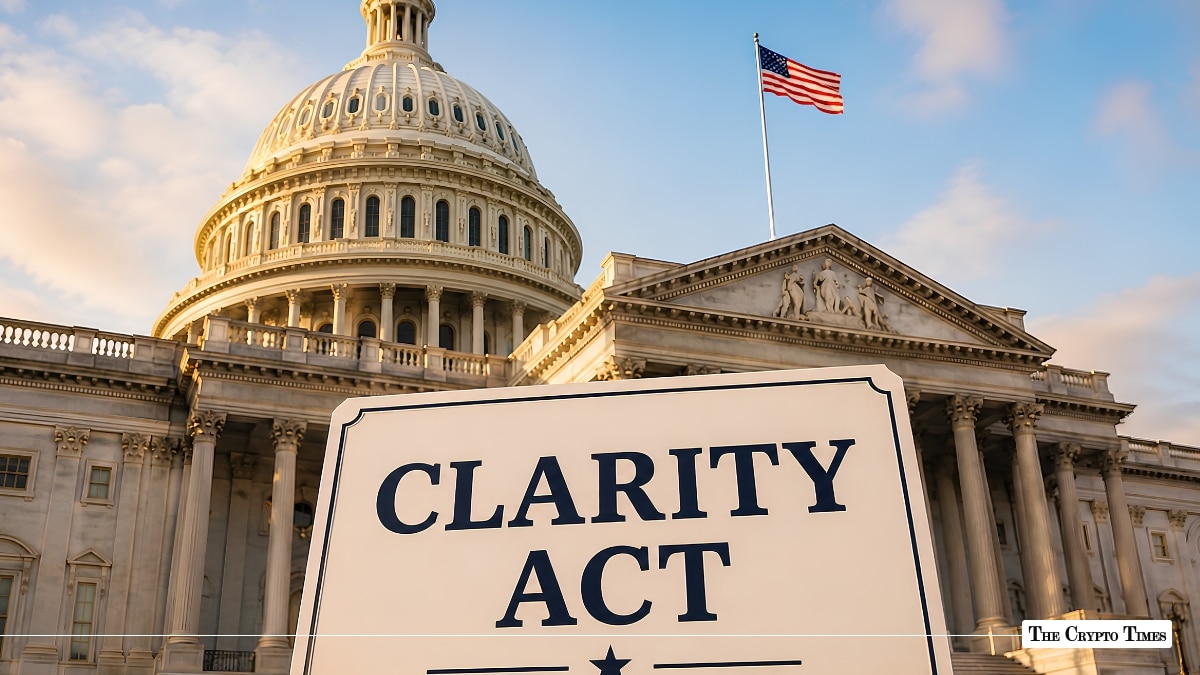
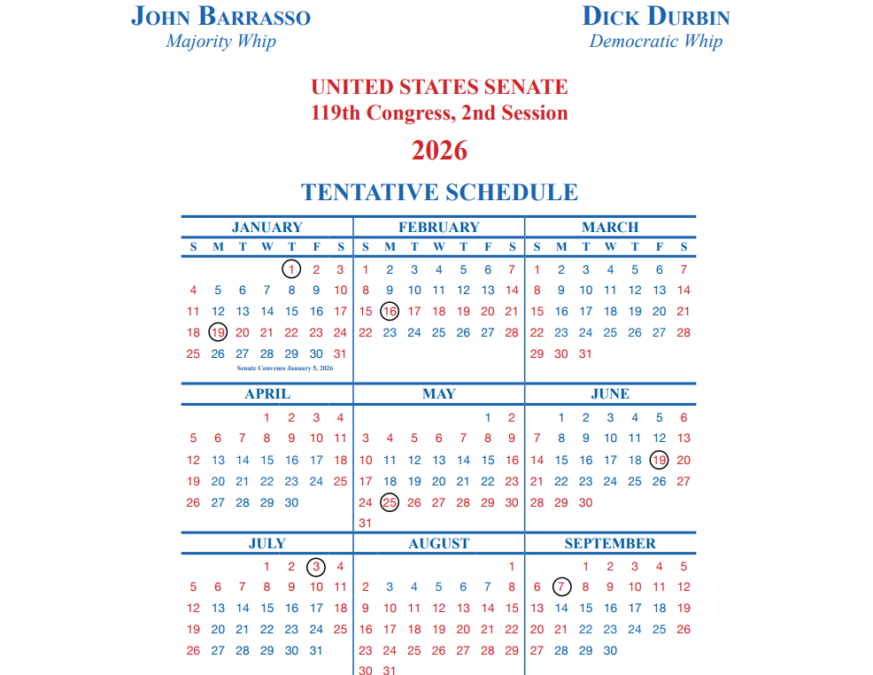
The Senate returns to Washington this week with less than a month before lawmakers break again for the Independence Day recess, leaving a narrow window for supporters of the CLARITY Act to advance the crypto market structure bill.
While industry advocates hope to see the legislation reach the Senate floor before July 4, competing legislative priorities and unresolved policy negotiations could complicate that timeline. The measure would still need to navigate Senate procedures, where floor consideration and votes can consume days or even weeks.
Crowded Senate agenda limits available time
The crypto market structure bill is competing for attention alongside several major legislative items expected to dominate the Senate calendar in June.
According to a CryptoInAmerica report, lawmakers are expected to focus on funding requests tied to national security priorities, and a potential vote on reauthorizing Section 702 of the Foreign Intelligence Surveillance Act before the current extension expires. Those issues could leave limited floor time for digital asset legislation before the next congressional recess.
Senate committees still working through differences
Beyond scheduling challenges, Senate staff continue to reconcile differences between competing versions of crypto market structure legislation.
The version approved earlier this year by the Senate Agriculture Committee advanced on a 12-11 party-line vote without Democratic support. Since then, attention in Washington shifted toward debates surrounding stablecoin regulation, delaying broader discussions on market structure legislation.
With those negotiations largely settled for now, lawmakers have returned to unresolved provisions in the Agriculture Committee’s text. Industry participants and congressional staff are continuing discussions over several outstanding issues that could determine the bill’s ability to attract bipartisan backing.
Democratic support remains key
The bill’s path through the Senate depends heavily on bipartisan support. Most legislation requires 60 votes to overcome procedural hurdles, making Democratic votes essential. Several Democratic senators have indicated they could support a final package if certain concerns are addressed.
Among the most prominent issues are ethics requirements governing government officials’ involvement with digital assets. Senators, including Ruben Gallego and Angela Alsobrooks, have previously supported advancing crypto legislation from committee but have tied continued backing to stronger ethics safeguards.
Meanwhile, Kirsten Gillibrand, one of the leading Democratic voices on crypto legislation, has argued that ethics provisions remain a necessary component of any final agreement.
Debate continues over DeFi enforcement
Another area of negotiation involves law enforcement authority in decentralized finance markets. Democratic senators, including Mark Warner, Catherine Cortez Masto, and Raphael Warnock, have sought assurances that federal agencies will retain tools to investigate illicit activity involving decentralized platforms.
Some industry participants have expressed concern that additional enforcement provisions could weaken protections for software developers and other participants in decentralized networks.
Missing July 4 would not end the effort
Although supporters continue to point to July 4 as an important target, missing that date would not necessarily derail the legislation. Some policy observers view the August congressional recess as a more meaningful benchmark, arguing that legislative momentum becomes harder to sustain once lawmakers shift attention toward campaign-related priorities.
Others believe crypto legislation is likely to remain on Congress’s agenda regardless of the July timeline because of the political and industry resources already invested in the issue.
Still, the longer negotiations continue, the greater the risk that shifting political dynamics, including the approach of the midterm election cycle, could complicate efforts to pass comprehensive crypto market structure legislation before the end of the current Congress.
Why the next few weeks matter
The coming weeks will determine whether Senate negotiators can resolve key disagreements and assemble the bipartisan coalition needed to move the CLARITY Act forward.
For now, supporters are racing against both the legislative calendar and a series of unresolved policy debates, leaving the bill’s prospects before the July 4 recess uncertain despite continued momentum behind crypto regulation in Washington.
Also Read: CLARITY Act Clears Senate Banking Committee 15-9: Here’s What Every Crypto Leader Is Saying