Key Highlights
- OKX Founder Star Xu rejects claims in CZ’s book alleging he reported Huobi’s Li Lin during China’s 2020 crypto crackdown.
- The dispute revives 2020 China crypto purge memories, when Huobi and OKX were forced to shift operations overseas.
- Broader regional pressure continues as China tightens crypto oversight, affecting exchanges, apps, and cross-border enforcement.
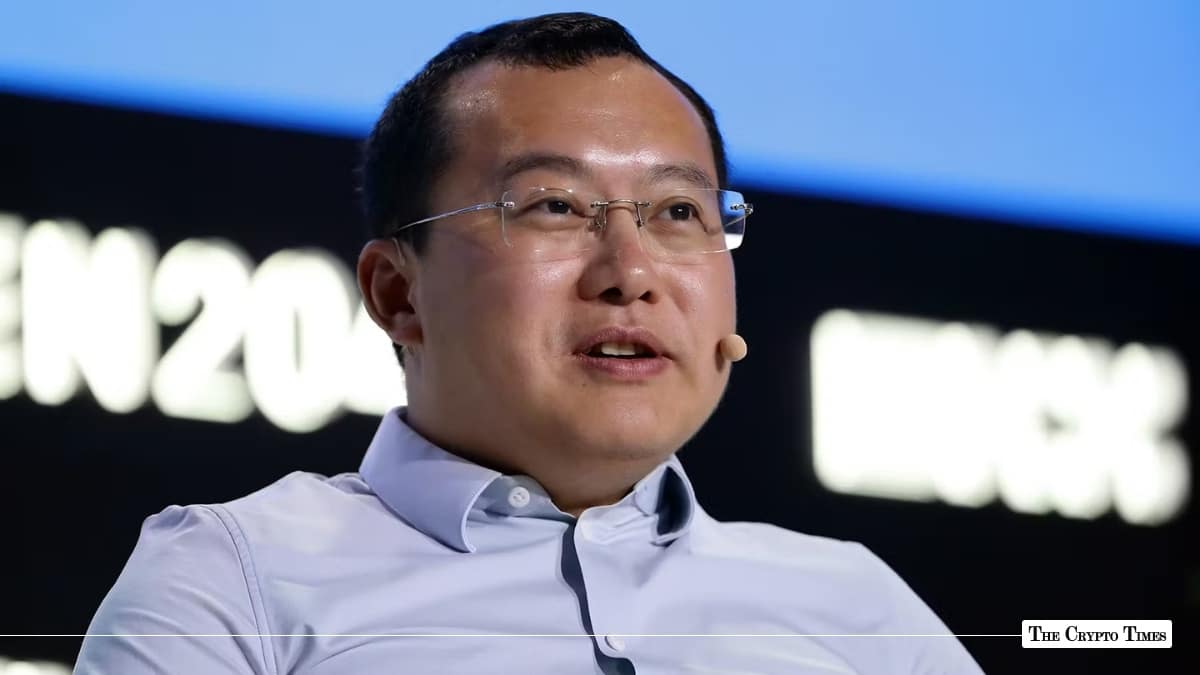
A fresh controversy has ignited the crypto community as OKX Founder Star Xu denied claims in Changpeng Zhao’s book ‘Freedom of Money.’ The book alleges Xu personally reported Huobi Founder Li Lin to Chinese authorities in 2020, resulting in Li’s brief detention.
Xu labeled the allegations as “completely false information” in a post on X, emphasizing that reports alone could never determine an outcome in the bustling crypto industry. He added, “Huobi’s CEO, Li, has high emotional intelligence and has managed various people around him very well over the years; he shouldn’t believe such illogical nonsense.”
The charges are based on an X post by a popular user who implied that Xu turned in Li after they had been out drinking. The book refers to a 2025 dinner where Li stated he saw a screenshot showing that Xu had turned him in, resulting in his arrest.
Xu disputed the allegations, saying they were “nonsense” and pointing to the individual’s past as being dishonest. He additionally dismissed any allegations regarding market manipulation, disagreements with Roger Ver, and lawsuits against Justin Sun.
China’s regulatory crackdown reshapes crypto operations
This dispute brings back memories of China’s crypto crackdown in 2020, which forced major exchanges like Huobi and OKX to move operations overseas. On September 24, Huobi’s shareholders voted to fully exit China, anticipating Beijing’s strict ban on cryptocurrency trading.
“We had been communicating with regulators to see if there are still ways to legally operate in China. But this time, there’s no room for discussion,” Co-Founder Du Jun told Bloomberg. As a result, Huobi stopped accepting new users from mainland China and plans to remove existing accounts by the end of the year.
China’s enforcement doesn’t stop at domestic exchanges. Apple recently removed Jack Dorsey’s decentralized messaging app Bitchat from its China App Store after the Cyberspace Administration cited security violations.
Meanwhile, Cambodia extradited Li Xiong, former chairman of Huione Pay, to China over alleged fraud and money laundering. Together, these actions show Beijing’s determination to clamp down on cryptocurrency and illicit financial networks across the region.
The wider implications for Asian crypto
The conflict between Xu and Li does not only revolve around their individual reputations but it is also an indicator of the influence of regulation on the activities of crypto platforms.
Continuous crackdowns demonstrate that exchanges need to operate on an international level with constantly evolving regulatory requirements. For crypto exchanges in Asia, success hinges on trust and transparency.
Also Read: SEC Admits Crypto Missteps, Signals Enforcement Reset Under Atkins