Key Highlights
- South Korea expands its digital won pilot, adding more banks and real use cases to boost adoption in everyday payments.
- Phase 2 introduces subsidies and P2P transfers, aiming to make digital currency more practical and widely used.
- Low usage in Phase 1 pushed upgrades like auto-recharge and biometrics to improve ease of use and engagement.
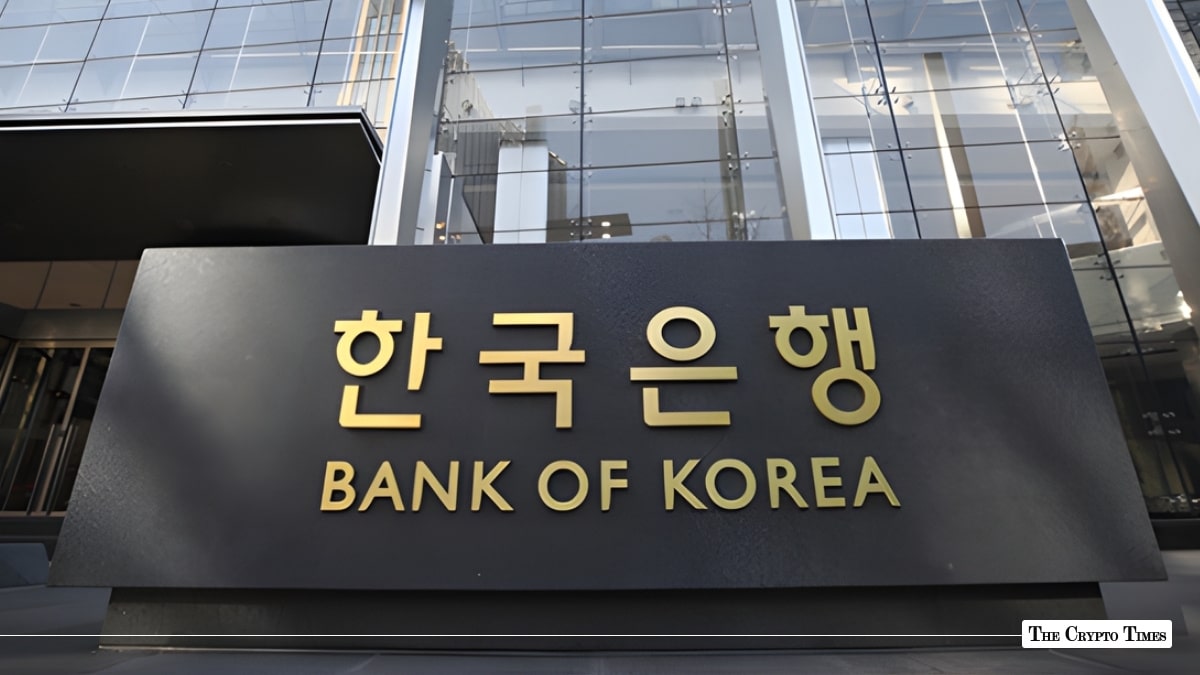
South Korea is stepping up its digital currency efforts as the Bank of Korea rolls out the second phase of Project Hangang. This new stage brings more banks into the system and expands how people can use digital money. The central bank now wants to see how it works in everyday situations, including payments, transfers, and even government subsidy payouts.
According to a local report, the program focuses on making payments faster and cheaper for both shoppers and businesses. It also plans to add digital wallets inside regular banking apps, so people can access the service more easily.
Because of these changes, officials believe more users will try it this time compared to the earlier phase. The move reflects a wider global shift, where countries test blockchain tools to improve how money moves.
The second phase builds on earlier trials but fixes some of the main limitations. This time, nine banks have joined, up from the seven who participated in the first phase. The system now allows people to send money directly to each other, which was not possible before.
Kim Dong-sub, Head of the Digital Currency Planning Team, said, “Specific use cases and new features will be disclosed sequentially after consultations with the government and banks. Participating banks are actively securing diverse use cases, such as large businesses and small merchants with high public relevance and significant payment fee burdens, focusing on the potential for drastically reduced fees when using digital currency for payments.”
As a result, the central bank expects more activity across sectors that need cheaper and faster transactions.
Expanded use cases and government integration
The second phase will, for the first time, use digital currency to send out government subsidies. Kim Dong-sub said, “The government aims to begin disbursing subsidies in digital currency during the first half of this year.” Officials also plan to move a quarter of the national budget through this system by 2030. With this approach, authorities expect to track funds more clearly and reduce cases of misuse.
Looking ahead, the system may also support payments made by AI tools. The Bank of Korea plans to let AI agents search and pay for goods using digital currency. This points to a future where some transactions happen automatically. The digital won itself runs on a blockchain managed by both the central bank and commercial banks. Users keep their funds in separate digital wallets that sit inside their regular banking apps.
Addressing past limitations and global context
The first phase showed that getting people to use the system was not easy. Although 81,000 users and several major merchants signed up, activity stayed low. Users made just 114,880 transactions, which pointed to limited everyday use. To address this, the second phase adds features like auto-recharge and biometric login to make payments simpler. The central bank also plans to bring in more merchants to increase real usage.
Around the world, central banks are testing similar digital currency systems to cut costs and speed up payments. However, each country is taking a different path. China continues to push its retail digital currency for public use. In contrast, the United States holds back due to privacy concerns. Instead, U.S. regulators focus on stablecoins issued by private companies.
At the same time, South Korea is reviewing stablecoins alongside its digital currency plans. Kim Dong-sub said, “The services developed through Project Hangang could serve as a ‘preview’ for the future introduction of won-pegged stablecoins.” This suggests the current project may help shape how stablecoins work in the country.
The Bank of Korea has also made its position clear. The bank said last month that it wants stablecoins to stay within the banking system, at least in the early stages. With this approach, policymakers aim to keep the financial system stable while still allowing room for new technology to develop
Also Read: U.S. Lawmakers Introduce BETS OFF Act in Sweeping Crackdown on Prediction Markets