Key Highlights
- The White House is considering another meeting between banks and crypto representatives, though plans are not finalized.
- Prior White House-led sessions were described as “productive” but ended without compromise on whether stablecoins can offer yield/rewards.
- The dispute is holding up broader US crypto market-structure efforts, with banks warning about deposit flight and crypto firms calling a ban anti-competitive.
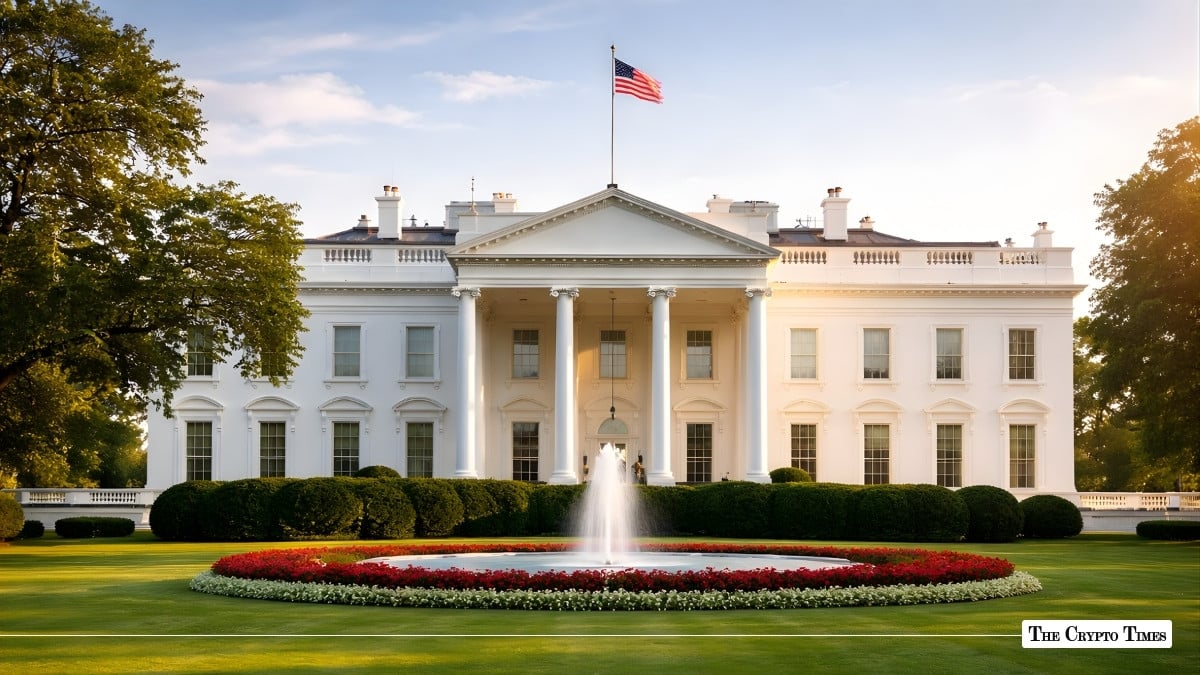
The White House is weighing whether to convene another closed-door meeting this Thursday between banking groups and crypto industry representatives to try to break the stalemate over “stablecoin yield.”
No plans have been finalized, but the potential session would mark the latest attempt by the White House to broker compromise language on an issue that has become the main roadblock in advancing broader digital-asset legislation.
Although there has been no official announcement, crypto reporter Eleanor Terrett has cited two sources confirming it to be in motion.
What is the stablecoin yield issue
At the center of the dispute is whether stablecoin issuers or platforms distributing their tokens should be allowed to offer interest-like returns, rewards, or other incentives to holders.
Banking trade groups have pushed for strict limits, arguing that yield-bearing stablecoins could pull deposits out of the traditional banking system and raise financial-stability risks. Crypto lobbyists and companies counter that prohibiting rewards would effectively kneecap competition and cement banks’ privileged access to consumer deposits.
The Thursday meeting, if it happens, would follow at least two prior White House-led sessions that participants characterized as constructive but ultimately inconclusive. A week ago, on February 3, the White House meeting ended without a breakthrough, with disagreements persisting specifically around stablecoin interest and rewards.
Why does this narrow-sounding policy fight matter so much? Because the White House has been trying to get the banking sector and crypto industry aligned enough to allow lawmakers to move forward on the broader market-structure package, often referred to as the Clarity Act.
Multiple reports describe the yield question as the “lynchpin” issue that must be resolved before the bigger framework can progress in a meaningful way.
The ongoing debate
The stakes are not theoretical for banks. Standard Chartered has warned US banks could lose up to $500 billion in deposits to stablecoins by 2028, underscoring why traditional finance is treating the “yield” debate as a deposit-defense fight, not a minor technicality.
Crypto firms, meanwhile, argue that consumers already seek yield through many regulated and unregulated channels and that pushing yield outside regulated stablecoins could have the opposite of the intended effect, shifting activity toward less transparent workarounds.
A policy tracker note from Paul Hastings described the administration directing representatives from both camps to come back with specific proposed language changes after an earlier session, signaling the White House is trying to run these discussions like a drafting exercise, not a photo-op.
While the guest list has varied across accounts, coverage has repeatedly referenced major trade groups and industry players circling the issue, including banking associations on one side and crypto advocacy groups such as the Blockchain Association on the other, alongside large US-facing exchanges like Coinbase.
For now, the only clear signal is that the White House still believes a negotiated solution is possible and is willing to keep pulling both sides back into the room to chase it. But with plans for Thursday not yet locked in, and with prior meetings producing “progress without agreement,” the yield fight remains exactly what it has been for weeks: the bottleneck holding up the next phase of US crypto rulemaking.
Also Read: Did Banks Just Soften on Stablecoin Yield? Inside the White House Talks