Key Highlights
- Robinhood CEO Vlad Tenev said crypto staking is still unavailable in four U.S. states due to unclear and delayed regulations, even though it is the most requested feature on the app.
- While U.S. users cannot access tokenized stocks, Robinhood already offers these blockchain-based stock products to customers in the European Union.
- Tenev urged U.S. lawmakers to pass clear crypto laws, supporting a market structure bill that aims to set national rules, as debate continues among major crypto companies.
The chief executive of Robinhood Markets Inc. has once again drawn attention to the slow pace of crypto rules in the United States, saying the lack of clear laws is stopping popular digital asset features from reaching many users.
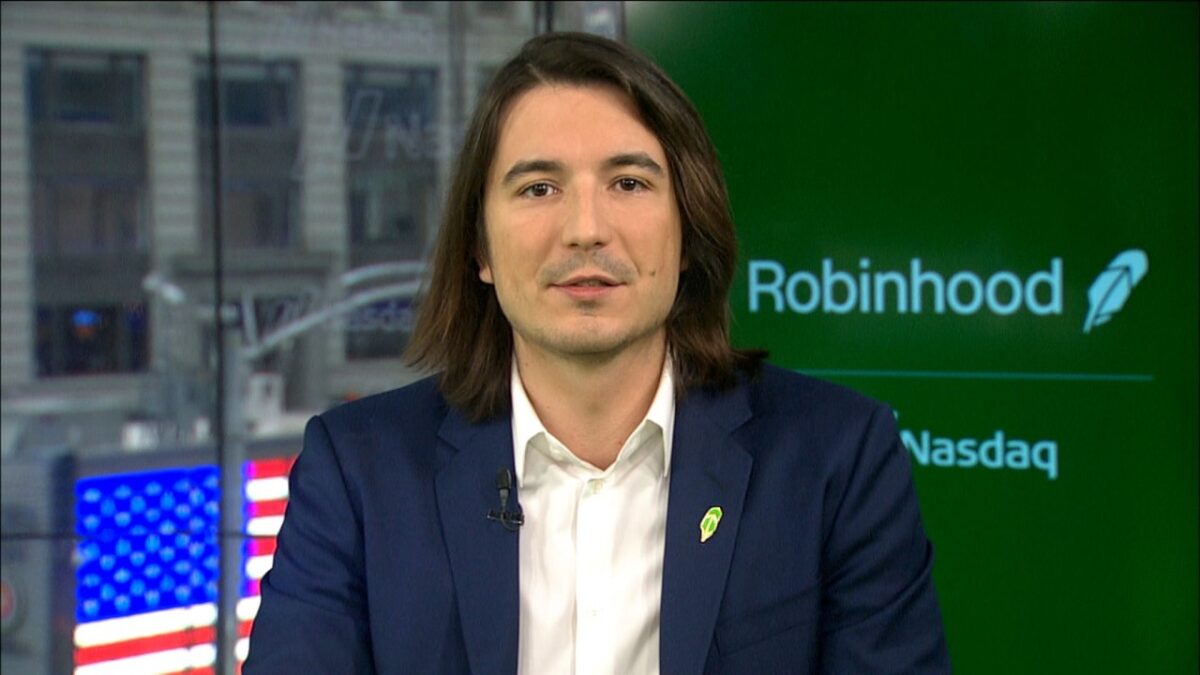
In a post on X, Robinhood CEO Vlad Tenev shared his concern, and pointed out that U.S. policy delays are holding back crypto staking and tokenized stocks, even as other regions move forward.
Why crypto staking is still blocked for some users
In his post on Thursday, Tenev said staking is still blocked for Robinhood users in four U.S. states because lawmakers and regulators have not agreed on clear rules. Crypto staking lets users earn rewards by helping keep blockchain networks running. Tenev said it is the most requested crypto feature on the Robinhood app.
“Staking is one of the most requested features on @RobinhoodApp, but it’s still unavailable to customers in four U.S. states due to the current gridlock,” he wrote. The states affected are California, Maryland, New Jersey, and Wisconsin, where different local rules have slowed or stopped the rollout of the service.
US falls behind as Europe moves ahead
Tenev also compared the U.S. situation with Europe. He said Robinhood already offers tokenized stocks to users in the European Union, but American customers cannot use the same feature. “Stock Tokens are available to our customers in the EU, but not in our home market,” he said. Tokenized stocks are digital versions of real company shares. They are built on blockchain technology and allow users to trade stocks in a faster and more flexible way.
The Robinhood CEO called on U.S. lawmakers to act faster and create simple and clear crypto rules. He said new laws should protect customers while also allowing new ideas to grow. He voiced support for Congress’s work on a market structure bill that aims to explain how digital assets should be regulated. “We support Congress’s efforts to pass the market structure bill.”
Mixed reactions on the matter
Many users on X responded to Tenev’s post. Several supported his view and said staking would be a useful tool for crypto investors who want to earn passive income. Others mentioned the Digital Asset Market Clarity Act of 2025, also called the CLARITY Act. The bill is designed to reduce confusion by setting national rules instead of different rules in each state. It also explains which government agencies should oversee crypto. The bill has passed the U.S. House of Representatives and is now waiting for approval in the Senate.
However, not everyone in the crypto industry agrees on the bill. Coinbase recently pulled its support, warning that some parts of the proposal could limit growth in areas like tokenized stocks, decentralized finance, and stablecoin rewards.
Meanwhile, while the debate continues in Washington, Robinhood is expanding its crypto products outside the U.S. The company recently added around 500 new tokenized assets on the Arbitrum blockchain, bringing its total close to 2,000, with most linked to U.S. stocks.
Also Read: U.S. Spot Crypto ETFs Pull $1.05B as Bitcoin Demand Surges