In India’s fast-changing digital economy, crypto stands in a strange spotlight. The country’s crypto exchanges are louder than ever, running high-budget ads, signing celebrity ambassadors, and buying prime space in national newspapers. Yet, the government that taxes their earnings still refuses to define them.
It’s a paradox unfolding in real time. On one side, regulators keep crypto out of official conversations. On the other hand, exchanges are convincing millions that digital assets are the next big financial frontier.
The ban that spoke volumes
At this year’s Global Fintech Fest 2025 in Mumbai, the contradiction was impossible to miss. As reported by Reuters, speakers were quietly told not to mention crypto or stablecoins. This wasn’t a casual omission; it was deliberate.
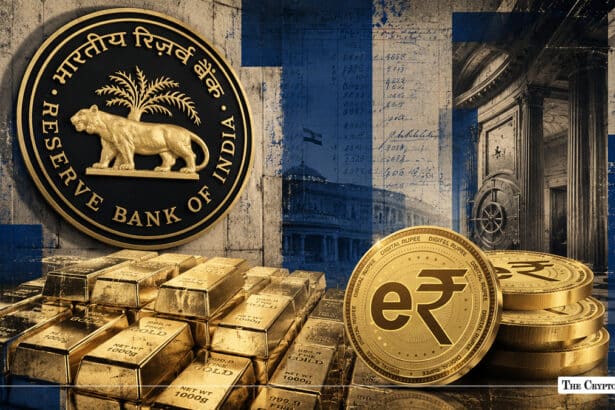
India, home to one of the world’s largest crypto user bases, continues to avoid public discussions on it. The country’s central bank has been pushing forward with its Central Bank Digital Currency (CBDC), the e-rupee, while maintaining that private cryptocurrencies pose risks to financial stability.
RBI Deputy Governor T. Rabi Sankar recently explained that India is taking its time with CBDC development to “ensure safety and stability.” In contrast, private crypto remains in policy limbo, visible, taxable, but never acknowledged.
The return of the crypto ads
While regulators stay quiet, exchanges are shouting louder than ever. The first major wave began back in late 2024, when Indian crypto exchange CoinDCX launched its “Learn Karo, Crypto Karo” campaign featuring Indian cricket coach Gautam Gambhir — one of the earliest high-profile crypto endorsements in India.
The ad, which aired across television and digital platforms, presented crypto as something modern, simple, and safe to explore. For millions, Gambhir’s face gave it credibility. But it also raised questions: should a national figure endorse a financial product that lacks regulatory clarity?
The debate resurfaced in August 2025, when Gambhir again shared a promotional post with the caption, “They said crypto was a fad. Guess what? 2 Crore+ Indians disagree.” The post included CoinDCX branding — but without any clear disclosure that it was a paid partnership.
Social media users were quick to react, accusing him of misleading followers. A community note flagged the missing disclaimer, and the phrase “Where’s the disclosure?” began trending on X. The backlash reignited the debate over ethics in crypto advertising — a space where no formal disclosure rules currently exist.
In India, traditional finance products like mutual funds are bound by strict disclaimers. Crypto ads, however, operate in a grey zone, they can sound like investment advice without saying so.
The advertising boom and the timeline that tells a story
While the Gambhir controversy stirred debate months ago, new campaigns have kept crypto front and center.
In October 2025, Indian exchange CoinSwitch ran a full-page advertisement on the front page of The Times of India, comparing Bitcoin’s value to gold — a move that placed crypto right beside India’s most trusted investment symbol. It was one of the boldest crypto ads seen in traditional media.
Around the same time, global exchange Bybit started quietly appearing on everyday consumer platforms.
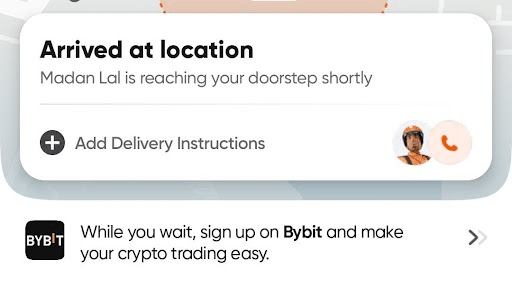
Users noticed Bybit promotions showing up inside the Swiggy food delivery app, even during active orders — a subtle but powerful attempt to integrate crypto visibility into everyday life.
These campaigns signal a clear shift: crypto firms are not waiting for regulatory clarity. They’re building mindshare directly with the public.
But the message this sends is complicated. To an average Indian, such visibility can look like legitimacy. When you see a Bitcoin ad on your morning newspaper or a crypto logo on your food delivery screen, it feels like approval, even though, legally, none exists.
The regulatory freeze
Behind the scenes, India’s approach to crypto has barely moved.
The Finance Minister, Nirmala Sitharaman, has been vocal about the need for global coordination on stablecoins but has stopped short of defining India’s stance. Reports by Reuters confirm that India’s comprehensive crypto framework has been delayed again, over concerns of systemic risk and misuse.
The Bombay Stock Exchange (BSE) recently blocked Jetking Infotrain’s plan to launch a blockchain and virtual digital asset unit, citing regulatory uncertainty. Meanwhile, new mandates like compulsory cybersecurity audits for crypto firms show that India acknowledges the sector, but without legitimizing it.
Even as the RBI and government tighten operational compliance, crypto firms continue to grow under this twilight status, not banned, not endorsed, just tolerated.
India’s two financial realities
The country is living in two financial realities.
The first is the state-backed, compliant world, where the RBI pushes the e-rupee, promotes traceability, and keeps monetary control. The second is the decentralized frontier, where millions of Indians continue to invest in Bitcoin, Ethereum, and altcoins through apps that advertise freely.
This duality has left the public stuck in confusion. The government taxes crypto gains at 30%, exchanges run ads with cricket icons, and yet, in policy documents, crypto is barely acknowledged.
The core question: What should Indians make of this?
For ordinary citizens, the mixed messaging is dangerous.
When they see Gautam Gambhir or a Swiggy order promoting crypto, it signals safety and acceptance. But without a legal framework, there’s no investor protection, no accountability, and no guarantee that these platforms will continue operating under the same rules tomorrow.
The “Where’s the disclosure?” debate wasn’t just about one cricketer. It symbolized the larger problem — a communication gap between perception and policy. India’s crypto advertising boom is creating confidence that its regulatory system hasn’t yet earned.
Between public hype and policy hesitation
The tension between crypto enthusiasm and government restraint is now shaping India’s financial identity. On one end, tech-savvy Indians are embracing digital assets; on the other, policymakers are quietly drawing boundaries through taxes and compliance mandates.
Coinbase’s cautious re-entry earlier this year, limited to early access, also reflects this uncertainty, international players are optimistic but wary.
The RBI’s stance is clear: digital currency is welcome, as long as it’s controlled. The private crypto sector, however, continues to thrive on visibility, creating a sense of legitimacy that the government never officially granted.
The bigger picture
India’s crypto story today isn’t about adoption or regulation, it’s about contradiction.
- It’s about a government that collects taxes from crypto traders but avoids saying the word “crypto” at its largest fintech event.
- It’s about celebrity ambassadors promoting digital assets that have no investor safeguards.
- And it’s about millions of citizens who are being sold confidence while living in uncertainty.
Until India chooses to speak clearly — either to regulate or restrict, this paradox will deepen.
Crypto in India will continue to exist in two worlds: one loud and advertised, the other quiet and undefined.
Because in a country where Gautam Gambhir can endorse a crypto platform while the RBI denies its legitimacy, the silence of regulation speaks louder than any ad campaign ever could.
Also Read: India Targets Offshore Binance Crypto, 400+ Traders Under Probe