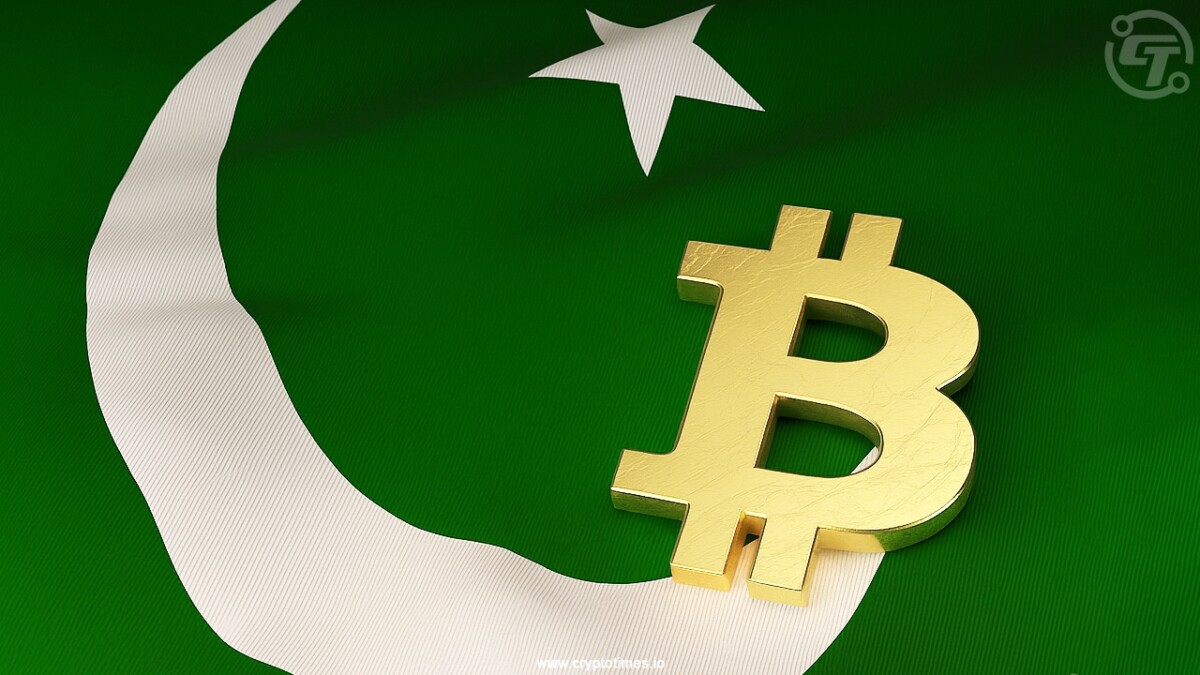
Pakistan has launched a federal licensing regime for international cryptocurrency businesses. The country has invited leading exchanges and virtual asset service providers (VASPs) to submit Expressions of Interest (EoIs) for entry into its digital asset market.
On Saturday, the Pakistan Virtual Asset Regulatory Authority (PVARA) issued the call, as reported by local news outlet Dawn. “This EoI is our invitation to the world’s leading VASPs to partner in building a transparent and inclusive digital financial future for Pakistan,” stated Bilal bin Saqib, PVARA Chair and Minister of State for Crypto and Blockchain.
Eligibility is restricted to firms licensed by established regulators, such as the US Securities and Exchange Commission (SEC), the UK Financial Conduct Authority, the EU’s VASP framework, the UAE’s Virtual Assets Regulatory Authority, and the Monetary Authority of Singapore. Applications must detail the company’s profiles, current licenses and jurisdictions, proposed services (including trading, custody, and payments), technology and security measures, assets under management, revenues, compliance history, and a tailored business model for Pakistan.
The framework, established under the Virtual Assets Ordinance 2025, seeks to prevent illicit finance while facilitating fintech, remittance, and tokenization opportunities, including Shariah-compliant products, through regulatory sandboxes. PVARA is responsible for licensing, regulating, and supervising VASPs in accordance with standards set by the Financial Action Task Force (FATF), the International Monetary Fund (IMF), and the World Bank.
Pakistan’s Crypto Surge: New Authority, Bitcoin Reserve, and Global Collaboration
Pakistan ranks third in Chainalysis’ 2025 Global Crypto Adoption Index report, advancing and establishing itself as one of the world’s most rapidly expanding cryptocurrency markets. On May 22, 2025, the country’s government set up a new organization called the Pakistan Digital Assets Authority (PDAA).
Further, on May 28, 2025, Pakistan introduced its first government-backed Bitcoin reserve. At the Bitcoin 2025 conference in Las Vegas, Bilal bin Saqib emphasized this move as part of the country’s shift toward a pro-cryptocurrency regulatory framework.
Additionally, Pakistan allocated 2,000 megawatts of surplus electricity for Bitcoin mining and AI centers, an initiative by the Pakistan Crypto Council backed by the Ministry of Finance. However, in July, the IMF raised concerns over using surplus power for crypto mining, rejecting a proposal for subsidized electricity to energy-intensive sectors, including miners.
While establishing a new regulatory authority to oversee cryptocurrencies, the country faced a paradox as the State Bank of Pakistan continues to uphold its ban on crypto trading.
Also Read: India and Pakistan in Crypto Adoption War: Who Stands Where?