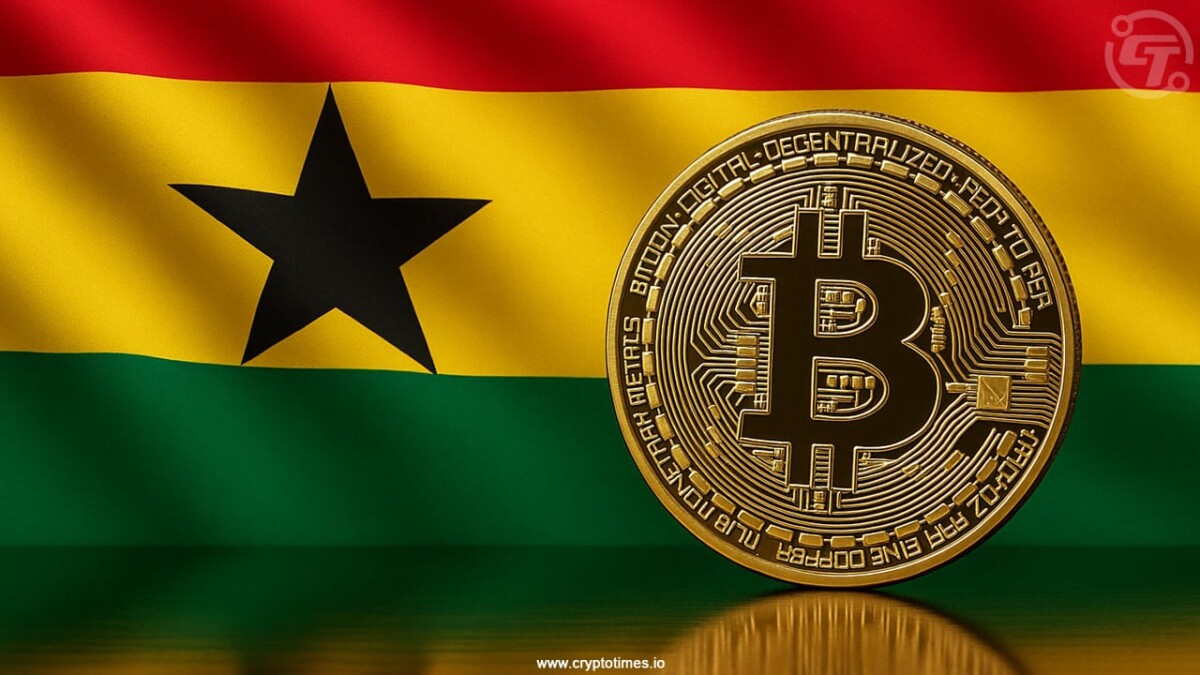
Ghana is planning to regulate its expanding crypto industry with its Central Bank preparing to present a draft licensing framework for cryptocurrencies to Parliament by September 2025. The initiative is to offer legal clarity for exchanges, wallet providers, and various virtual asset platforms.
As per reports, around three million Ghanaians already use digital currencies. Hence, the government now seeks to protect users, attract investment, and generate tax revenue.
This upcoming framework is a policy shift. For years, regulators focused on public education rather than enforcement. However, rising usage has forced the state to act. The new plan will likely include Know Your Customer (KYC), anti-money laundering (AML), and cybersecurity rules. These will help reduce fraud, boost investor confidence, and align Ghana with international standards.
A Regional Digital Finance Gateway
Ghana wants to become a West African hub for digital finance. With legal clarity, it draws fintech startups and global exchanges. The change is happening at a time when fintech and cryptocurrency take off in Africa. Cryptocurrencies, particularly stablecoins, help in sending money home and making digital payments.
Furthermore, this strategy runs counter to Nigeria’s crackdown on cryptocurrency, which drove many users into unofficial markets. Ghana may have an advantage in luring talent and cryptocurrency investments due to its open posture.
Despite the progress made, there are still hurdles to overcome. Ghana needs to enhance its technology systems and work with regional policymakers. Also, addressing users’ concerns about scams and market volatility calls for robust protective measures.