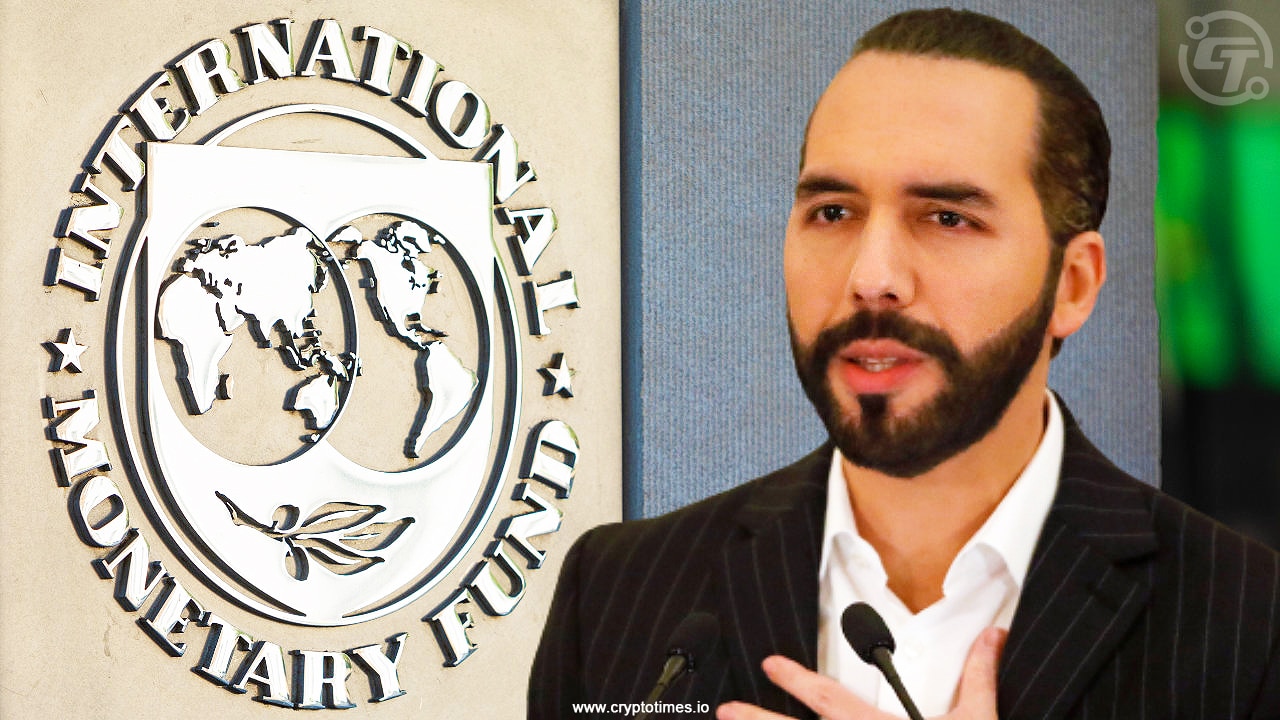
The International Monetary Fund (IMF) announced on Tuesday that it will work to ensure El Salvador’s government does not increase its bitcoin holdings. This stance conflicts with President Nayib Bukele’s ongoing push to expand the country’s bitcoin reserves.
This update came with the IMF’s first review of the Extended Fund Facility (EFF) deal with El Salvador, which has reached a staff-level agreement. Last December, El Salvador and the IMF agreed that the country would limit bitcoin-related activities in exchange for a $1.4 billion loan over 40 months.
Additional support from the World Bank and other institutions could bring the total financial package to around $3.5 billion. To move forward, El Salvador’s Congress quickly amended its Bitcoin Law, making bitcoin payment acceptance voluntary for private businesses, aligning with the IMF’s conditions.
The IMF’s Executive Board approved the financing deal in February, which includes a $120 million disbursement pending further approval. The IMF is using its program to help El Salvador overcome its economic issues, and it regards bitcoin reserves as a potential risk that has not yet been a problem.
The bill aims to prevent the government from regulating the buying and use of bitcoin. Despite this, Bukele remains firm in his bitcoin ambitions. He tweeted in March that the government’s bitcoin buying “is not stopping,” even after international criticism and the IMF deal.
Recently, Bukele celebrated over $357 million in unrealized bitcoin profits. However, he did not comment on the IMF’s plan to cap bitcoin purchases when sharing their latest announcement, leaving the country’s future bitcoin strategy unclear.
Also Read: El Salvador’s Bitcoin Bet Yields $357M in Unrealized Profits