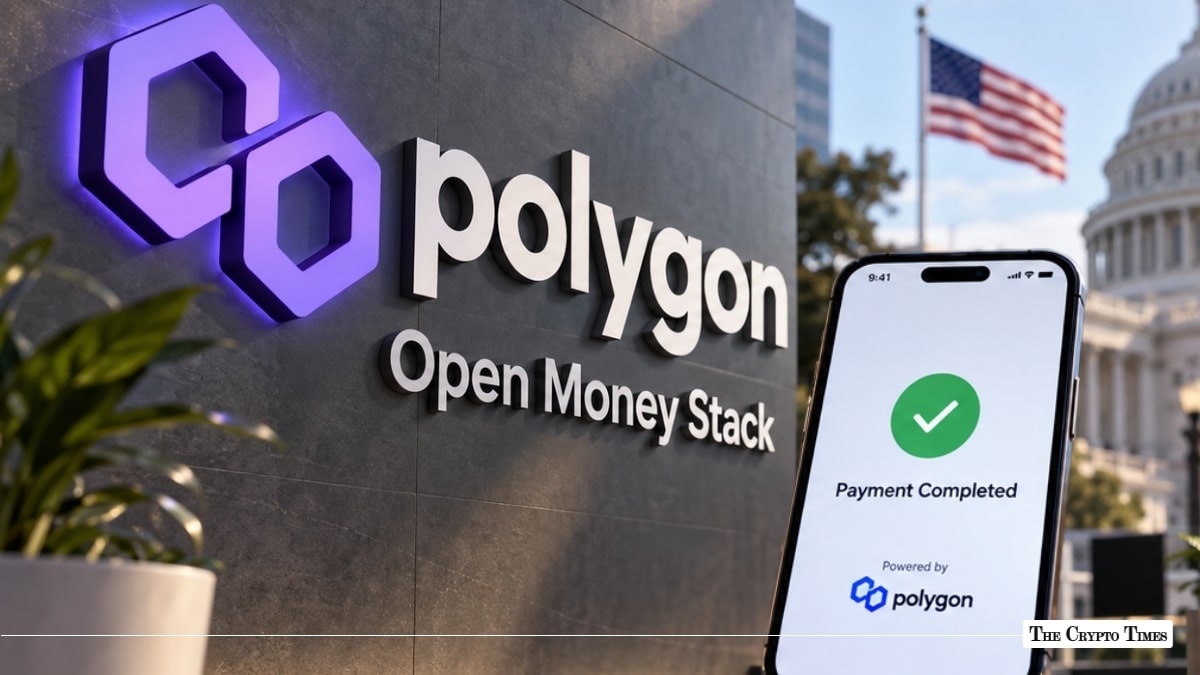
Polygon Labs now owns a licensed U.S. money transmitter. The deal closed months after the date set for it in January 2026.
On January 13, Polygon announced that it would buy Seattle-based Coinme along with wallet developer Sequence, in deals valued at more than $250 million combined. The Coinme purchase was expected to close in the second quarter of 2026. It closed on October 14, more than three months after that quarter ended, and brings Coinme’s licenses into Polygon’s Open Money Stack payments platform.
Polygon said in a blog post on October 14, 2026, that the completed acquisition gives Open Money Stack regulated money-movement coverage across 48 U.S. states. That coverage comes through 37 state money transmitter licenses and 11 applicable exemptions, along with Coinme’s registration with FinCEN as a money services business.
What Polygon Announced
In the United States, most states require a company that holds or transfers money for customers to obtain a money transmitter license. Some states exempt certain activities from that requirement, which is how Polygon counts the other 11 states toward its 48-state total. FinCEN, the U.S. Treasury’s financial crimes unit, separately registers money services businesses for anti-money-laundering oversight.
Polygon describes Open Money Stack as a single platform for moving money globally. According to the post, it combines accounts and wallets, infrastructure that routes payments across blockchains, settlement rails that run around the clock, and connections to banking and payout systems. Funds can come in through bank transfers, cards, or cash deposits, and Polygon says developers can build a complete payment flow through one integration.
The post says the platform is live. It gives no price for Coinme on its own and no breakdown of the combined deal. It also doesn’t name the two states outside its coverage.
The First Customers
Polygon named four companies among the platform’s first customers. Tazapay serves more than 1,000 enterprises and fintechs in over 30 countries and is using Open Money Stack’s on-ramp, off-ramp, and wallet infrastructure. Mesh is adding the platform’s on-ramps to its network of more than 300 wallets, exchanges, and financial services.
“The bottleneck in stablecoin payments is access,” Mesh CEO Bam Azizi said in the post. Toku operates in more than 100 countries and is using the platform’s wallet and payout tools for stablecoin payroll.
Kira offers U.S. banking and stablecoin accounts through AI agents, with a human signing off on each decision. It is using the platform to expand its stablecoin options. According to the post, Kira supports ACH, Fedwire, FedNow, and SWIFT transfers.
From January Announcement to Close
Coinme was founded in 2014 and runs a cash-to-crypto network that lets customers buy digital assets with cash at retail locations. Architect Partners, which advised Coinme on the sale, said in a January deal alert that the network covered more than 50,000 U.S. locations and that the company was licensed in 48 states and Puerto Rico.
The January announcement said both deals were subject to customary regulatory approvals and closing conditions. Sequence builds smart wallets and cross-chain transaction tools, and its deal was expected to close that month. Polygon’s October 14 post doesn’t explain why the Coinme deal closed after the second-quarter target.
Polygon has kept expanding the platform since January. On October 8, it added support for the TRON blockchain, extending Open Money Stack to USDT payments and payouts on that network.
Coinme’s Regulatory Record in California
Coinme was the subject of the first enforcement action under California’s Digital Financial Assets Law (DFAL), the state’s 2023 licensing law for crypto businesses. In an order dated June 25, 2025, the California Department of Financial Protection and Innovation (DFPI) fined Coinme $300,000 and required it to pay $51,700 in restitution to California residents.
According to the DFPI, Coinme exceeded the law’s $1,000 daily limit per customer on crypto kiosk transactions and left required disclosures off customer receipts. In a separate order, the regulator directed Coinme to pay $175,000 in additional refunds to customers it said had been charged fees and markups above the legal maximums. That order also cited missing information on more than 4,050 receipts.
Polygon’s October 14 post doesn’t mention the California orders.
What Polygon Has Not Disclosed
Polygon hasn’t said whether Coinme’s retail cash network will keep operating under the Coinme name or how the Coinme and Sequence teams will be integrated. It also hasn’t said what role, if any, its POL token plays in Open Money Stack transactions. The post gives no figures for transaction volume, customer count, or revenue.
Also Read: Jio Platforms IPO: Bitget Lists 20x Pre-IPO Perpetual Futures Ahead of India’s Biggest Listing