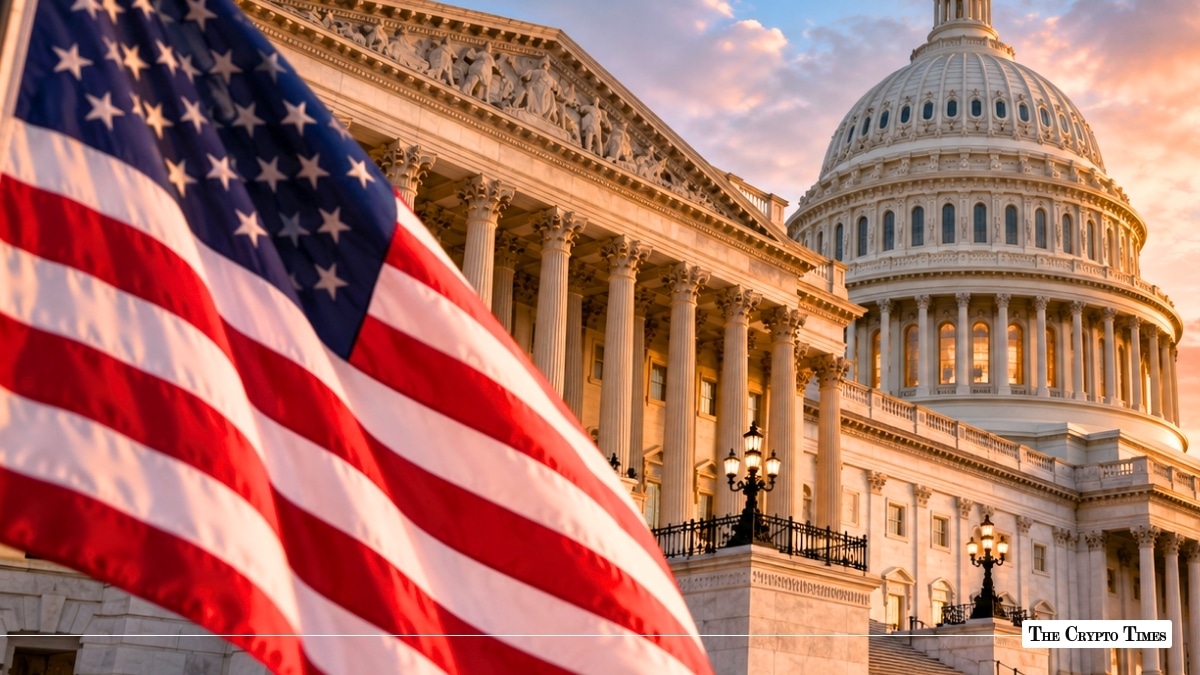
A political action committee (PAC) linked to the US crypto industry’s election campaign has reported more than $1.2 million in spending on direct mail advertisements involving candidates for the House of Representatives ahead of the November 2026 midterm elections.
According to a filing with the Federal Election Commission (FEC), Defend American Jobs reported $1,202,384.61 in independent expenditures. The spending covered candidates from both parties across several states, with individual expenditures ranging between $73,000 and $76,000.
The filing, signed on October 10, lists October 8 as the date the mail campaigns were distributed publicly. The expenditures were reported by the committee as independent spending rather than direct contributions to candidates.
The filing is part of a broader political spending push by groups affiliated with Fairshake, a crypto-focused political action committee seeking to influence US elections and support lawmakers considered favorable to the digital asset industry.
Key Candidates Receive Funding
The filing includes Republican House Majority Whip Tom Emmer of Minnesota and House Agriculture Committee Chairman Glenn Thompson of Pennsylvania. Defend American Jobs reported $76,341.51 in direct mail spending associated with Emmer and $73,672.95 for Thompson. Both lawmakers supported the Digital Asset Market Clarity (CLARITY) Act, which aims to establish a clearer regulatory framework for the crypto industry.
Other candidates named in the filing include Troy Downing of Montana, Jason Smith of Missouri, Brian Jack of Georgia, Mike Haridopolos of Florida, Lisa McClain of Michigan, Benjamin Cline of Virginia, Pat Harrigan of North Carolina, August Pfluger of Texas, Scott Fitzgerald of Wisconsin, Frank Lucas of Oklahoma, David Rouzer of North Carolina, Guy Reschenthaler of Pennsylvania, and Michelle Fischbach of Minnesota.
The reported expenditures represent spending associated with campaigns supporting the candidates. They should not be interpreted as payments made directly to the lawmakers or as evidence that the candidates coordinated with the committee.
Fairshake-Affiliated Groups Boost Election Spending
The latest filing follows reports that Defend American Jobs and Protect Progress, two groups affiliated with Fairshake, spent a combined $2.7 million on media and direct mail campaigns supporting candidates in the 2026 elections.
Fairshake is funded by major crypto companies, including Coinbase, Ripple Labs, and venture capital firm Andreessen Horowitz.
The committee has been building its political presence ahead of the midterms. In August, a Fairshake spokesperson said the group held $122 million in cash as it prepared to support candidates aligned with its policy priorities. It announced plans to back an additional 32 House candidates, with six set to receive $1 million each in advertising support. Separately, the group has targeted Ohio’s Senate race, where former Senate Banking Committee Chairman Sherrod Brown is running for office.
The campaign reflects the industry’s broader effort to influence lawmakers responsible for setting rules for digital assets, including cryptocurrency exchanges, token issuers and market intermediaries.
CLARITY Act Remains a Key Issue
The spending comes as US lawmakers continue to debate how cryptocurrencies should be regulated at the federal level.
The CLARITY Act seeks to define the regulatory framework for digital assets, including the division of oversight between federal agencies. The bill passed the House with bipartisan support in 2025 but failed to advance after a procedural vote in the Senate in September 2026.
The setback has kept regulatory clarity high on the industry’s political agenda. Crypto companies and advocacy groups have argued that clearer rules could provide businesses with greater certainty over compliance requirements and regulatory oversight.
Coinbase-backed advocacy initiative Stand With Crypto has also encouraged voters to consider candidates’ positions on digital asset legislation. Following the Senate setback, the group warned that lawmakers who failed to advance crypto legislation could face political consequences.
As the midterm elections approach, crypto groups are likely to continue spending on campaigns and encouraging voters to support candidates who favor the industry. The election results could shape future discussions on crypto regulation in Congress.
Also Read: Ripple Weighs Fairshake Funding After Chris Larsen Donates $4M to Sherrod Brown