Key Highlights
- AMC CEO Adam Aron has demanded that Robinhood stop trading tokens linked to AMC stock, citing concerns over U.S. securities laws and investor rights.
- Aron said the tokens could weaken AMC’s ability to raise capital and may not give investors the same rights as actual AMC shareholders.
- Robinhood Chain also stopped producing new blocks for more than 14 minutes, with transactions stuck during the disruption before block production resumed.
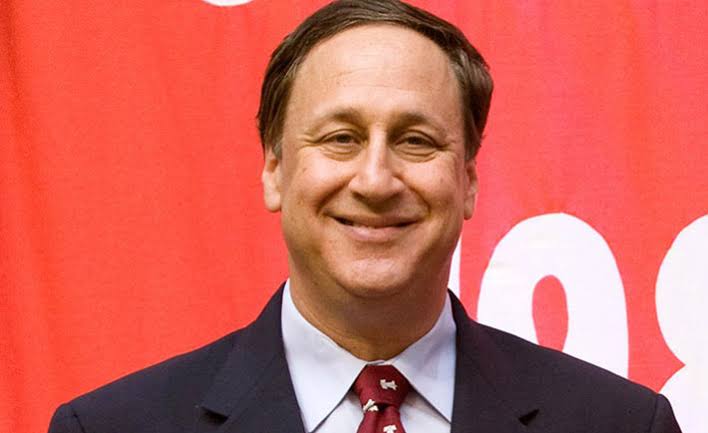
AMC Entertainment CEO Adam Aron has called on Robinhood to stop trading tokens linked to AMC stock, saying the products raise serious questions about U.S. securities laws, investor rights and AMC’s ability to raise money.
Aron made the demand on Friday in an X post directed at Robinhood CEO Vlad Tenev, who had asked, “What’s the concern?”
Aron raises concerns over AMC tokens
Aron’s response came after he first criticized Robinhood’s stock-token products on Thursday. This time, he laid out a list of concerns and said they were “almost existential.”
He questioned how Robinhood, a U.S. company, could run the operation from Jersey, an island about 3,000 miles away, while offering a security that appears to be connected to AMC without following U.S. securities laws.
The AMC CEO pointed to the company’s past efforts to raise money by issuing shares. He said those equity sales were important in helping AMC strengthen its balance sheet and continue its business. Aron argued that a separate market for synthetic AMC stock could make it harder for the company to control its own efforts to raise capital.
AMC’s capital raising faces a new concern
Another concern is what investors actually receive when they buy the tokens. He said owning real AMC shares gives investors certain rights, including the right to vote on company matters.
However, he argued that Robinhood’s stock tokens may look like a form of stock ownership while not giving investors the same rights.
“Your stock token pretend to be some form of stock ownership, but disclosures to the contrary notwithstanding, they are not ownership and they deprive investors of their rights,” Aron said.
Aron warns of wider trust issues
Aron also questioned the wider effect of the tokens on trust in financial markets. He said the creation of what he called a “quasi-fake market” around AMC could make people more doubtful of financial institutions.
He argued that there is already public distrust in the financial system and said Robinhood’s actions could make that problem worse.
AMC asks Robinhood to stop token trading
The dispute has now moved beyond criticism. Aron called on Tenev and Robinhood to voluntarily “CEASE AND DECIST” trading AMC stock tokens. He said AMC’s securities lawyers had been asked to look into whether the company could force Robinhood to stop if it refused to do so.
Robinhood’s chief legal officer Dan Gallagher rejected the demand and said the company would not “DECIST.” In a response to Aron, Gallagher wrote, “We know a little something about the U.S. securities laws and will not ‘DECIST.’ Send your lawyers and we’ll educate them.”
Aron also brought the U.S. Securities and Exchange Commission into the dispute. He questioned how the SEC could support Robinhood’s approach to U.S. securities laws and said AMC would ask the regulator about the matter.
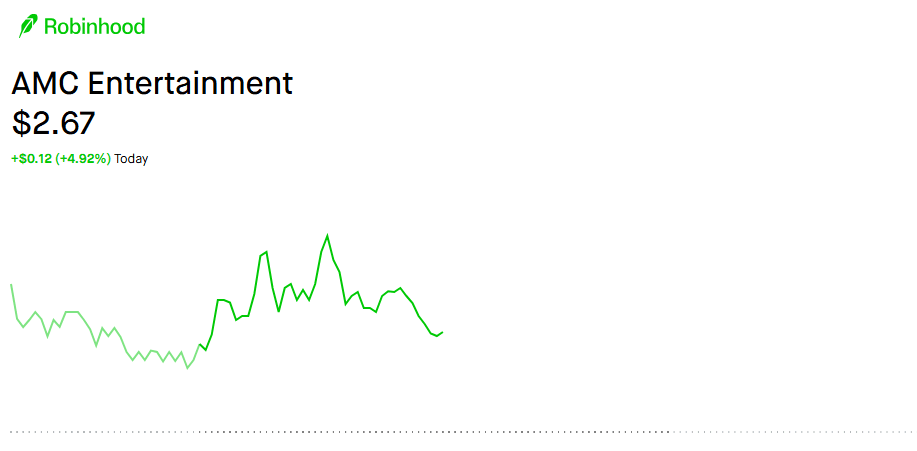
Shortly after the post, AMC entertainment surged about 4.92% to around $2.67, representing a climb from $2.62.
Robinhood Chain faces a separate disruption
Meanwhile, the argument comes as Robinhood continues to develop its blockchain network and tokenized products.
Separately, Robinhood Chain stopped producing new blocks for more than 14 minutes on today Friday at about 12:57 p.m. UTC. The Crypto Times reported that the Layer 2 network could not process new transactions during the pause, although activity connected to tokenized stocks continued to appear on the network.
Data from the Robinhood Chain block explorer showed that transactions were being sent but were not moving forward. This meant users could not successfully move tokens, make smart-contract calls or interact with network routers during the disruption.
Block production later resumed, but the network showed signs of unstable activity afterward. Robinhood had not explained what caused the interruption or said when the network would be fully stable. The reason for the outage therefore remained unknown.
Also Read: Robinhood (HOOD) Stock Surges 16.57% on Prediction Market Optimism