Key Highlights
- Sen. Angela Alsobrooks said she will not support the CLARITY Act if the DOJ is the sole enforcer of its ethics provisions.
- Her objection emerged just as lawmakers appeared close to finalizing the updated Senate bill text.
- Alsobrooks is one of only two Democrats who previously voted to advance the bill from the Senate Banking Committee.
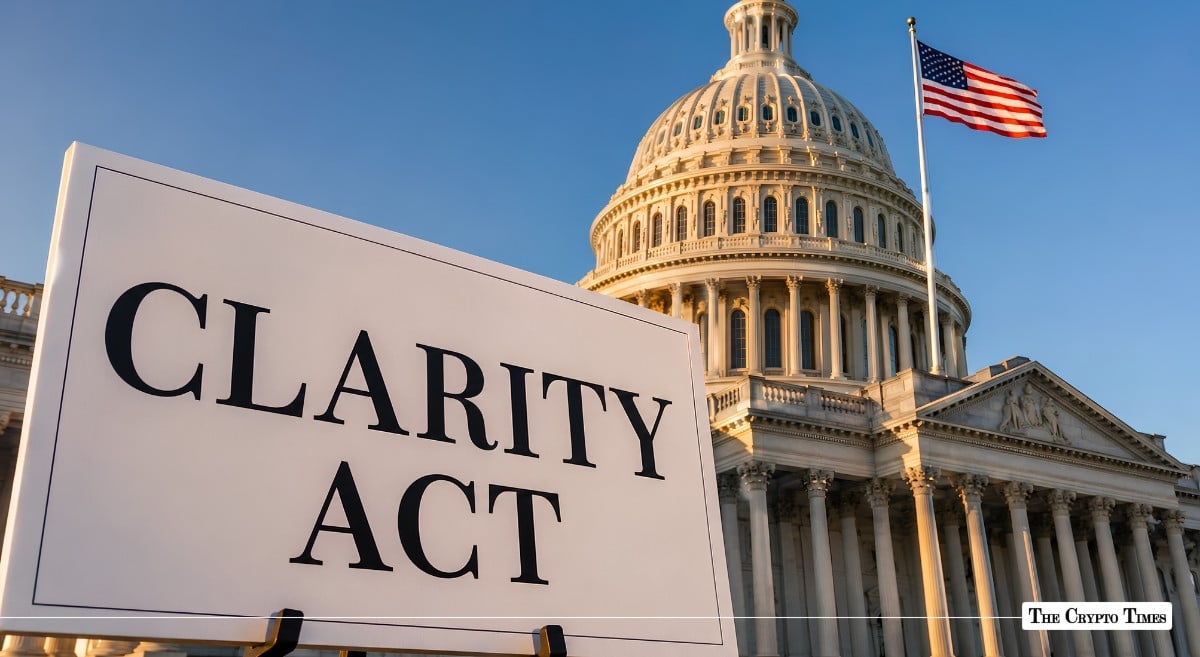
The Senate’s effort to move the Digital Asset Market CLARITY Act forward encountered another hurdle on Tuesday after one of the bill’s few Democratic supporters publicly criticized the White House’s proposed ethics enforcement framework.
According to an X post by journalist Eleanor Terrett, Senator Angela Alsobrooks said she would not support the legislation if the Department of Justice (DOJ) is given sole authority to enforce its ethics provisions, describing the current proposal as “an unserious offer.”
The comments came as bipartisan negotiators returned to Capitol Hill for another round of discussions aimed at finalizing ethics language that has delayed the release of updated Senate bill text for weeks.
New objection as negotiators showed progress
The latest disagreement surfaced only hours after optimism had begun to build around the legislation. Earlier today, Terrett reported that multiple industry sources believed negotiations had reached a breakthrough after the White House approved an ethics package and shared draft language with several Senate Republicans.
Industry participants viewed the development as one of the strongest signs yet that updated CLARITY Act text could finally be released after months of delays. Tuesday’s developments, however, showed the negotiations remain far from complete.
Why Alsobrooks could influence the bill’s future
Alsobrooks’ position carries unusual weight because she is one of only two Democratic senators who voted to advance the CLARITY Act out of the Senate Banking Committee earlier this year.
With Republicans expected to need Democratic votes to overcome Senate procedural hurdles, maintaining support from senators like Alsobrooks has become increasingly important.
The Maryland senator has consistently maintained that her continued backing depends on meaningful ethics safeguards. Although she criticized the current proposal, she suggested negotiations remain active.
Who should enforce the rules?
The debate has now shifted from whether ethics provisions belong in the bill to who should enforce them.
Senator Bernie Moreno (R-Ohio), who has been negotiating alongside Senator Cynthia Lummis, told reporters the current White House proposal would place enforcement authority with the Department of Justice instead of state attorneys general.
That proposal appears to have become the newest sticking point in negotiations. Whether lawmakers ultimately preserve DOJ oversight, expand enforcement powers to states, or adopt another compromise remains unresolved.
Ethics still dominates Senate negotiations
Beyond Alsobrooks’ objections, negotiators continue working through the broader ethics package.
Terrett separately reported Tuesday that bipartisan discussions remain focused primarily on ethics while lawmakers also continue reviewing provisions affecting decentralized finance.
“Bipartisan discussions are taking place on Capitol Hill today relating to ethics,” she wrote. She added that although DeFi provisions remain under discussion, “ethics remains the primary hurdle.”
Lummis’ office says updated text is still coming
Despite the renewed disagreement, Senator Cynthia Lummis’ office continues signaling progress.
According to the post, a Lummis spokesperson described last week’s White House discussions as productive. “The ethics text set to release in the coming days will reflect that productive conversation.”
The statement indicates Senate Republicans still expect revised legislative language to be released soon, even as negotiations continue over enforcement.
Why CLARITY matters more now
The renewed negotiations come as pressure continues to build across Washington to provide regulatory clarity for the digital asset industry.
Only days earlier, the crypto industry marked one year since the GENIUS Act became law without regulators completing the rulemaking process required to implement it, leaving the stablecoin market operating without finalized federal regulations.
That delay has increased expectations surrounding the CLARITY Act, which would establish broader rules governing crypto exchanges, digital commodity markets, custody standards, and regulatory oversight.
Many industry participants now view passage of the CLARITY Act as important to avoiding another prolonged implementation gap.
Senate calendar misses another milestone
Time also remains a significant challenge. The revised Senate draft has already missed multiple expected release dates, including around the July 4 recess and again earlier this week.
Negotiators now face increasing pressure to finalize the legislation before lawmakers leave for the August recess.
Tuesday’s developments suggest that while negotiations continue, bipartisan agreement on ethics enforcement remains one of the final unresolved issues before the Senate can move the CLARITY Act toward a floor vote.
Also Read: Lummis Says CLARITY Act Could Prevent Another Voyager Collapse