Key Highlights
- President Bola Tinubu signed an executive order to improve coordination and regulation of Nigeria’s virtual asset sector.
- The new Virtual Asset Council will bring the CBN, NRS, SEC, NFIU, and ONSA together to improve oversight and close regulatory gaps.
- The move comes as the Senate advances a bill seeking clearer rules for crypto exchanges, wallet providers, and other digital asset platforms.
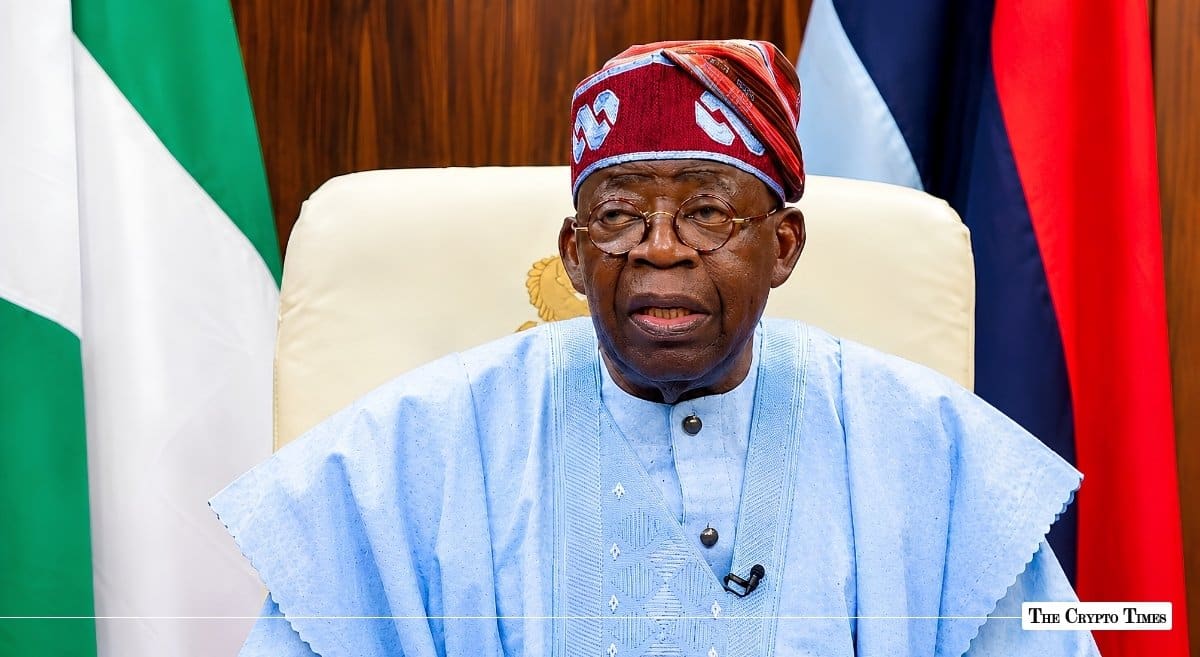
Nigeria’s President Bola Tinubu has signed an executive order to create a coordinated system for regulating virtual assets in the country. The new framework takes effect immediately and aims to close regulatory gaps, protect Nigerians from fraud, and improve oversight of the country’s growing crypto and digital asset sector.
According to a local report, the Presidential Executive Order on Virtual Assets Coordination, 2026, brings key government agencies together under a new Virtual Asset Council. The move is intended to improve coordination among regulators instead of having multiple agencies oversee different parts of the industry without sufficient collaboration.
Why Nigeria wants tighter oversight
The president’s Special Adviser on Information and Strategy, Bayo Onanuga, said in a statement on Friday that virtual assets have grown to the point where they now cross different areas of the financial system.
They can function like currencies, commodities, securities, or payment services, making it difficult for one agency to handle every part of the sector.
The presidency said the lack of coordination has created risks for Nigeria. These include money laundering, terrorism financing, cybercrime, data privacy breaches, fraud, and lost government revenue. It also warned that some unregistered and fraudulent operators have taken advantage of the gaps to target unsuspecting Nigerians.
“With relevant agencies operating in silos, overlapping in some areas and leaving gaps in others, the country has been exposed to risks including money laundering, terrorism financing, cybersecurity and data privacy threats, fraud, and revenue losses,” Onanuga said.
CBN to lead the new virtual asset council
According to the report, the new council will be chaired by the Central Bank of Nigeria (CBN), while the Nigeria Revenue Service (NRS) and the Securities and Exchange Commission (SEC) will serve as vice chairs. The Nigerian Financial Intelligence Unit (NFIU) and the Office of the National Security Adviser (ONSA) will also be members of the council.
The council will help coordinate policies, improve information sharing, and settle disagreements between regulators. It will also work with the Attorney General of the Federation to develop a more unified legal framework for virtual assets.
New office to coordinate virtual asset regulation
The order also establishes a Virtual Asset Office at the CBN. The office will serve as the council’s operational arm and help coordinate applications, reports, and information between the participating agencies through a shared supervisory technology platform.
However, the executive order does not create a new regulator or remove the existing powers of government agencies. The presidency said each institution will keep its legal responsibilities and independence.
SEC and CBN keep separate roles
Under the new arrangement, the SEC will continue to regulate virtual assets that are classified as securities.
The CBN will oversee payment, settlement, custody, and other services linked to virtual assets that are not classified as securities. Where it is unclear which agency should take responsibility, the Virtual Asset Council will help resolve the issue.
Senate pushes for crypto service provider rules
The executive order comes about a month after the Senate advanced the Virtual Asset Service Providers Regulation Bill, 2026, to its second reading.
The bill, sponsored by Deputy Senate President Jibrin Barau, seeks to require crypto exchanges, wallet providers, and other digital asset platforms to operate under clearer licensing, reporting, and compliance rules.
Lawmakers supporting the bill warned that, without clearer rules, Nigeria risks losing tax revenue, investment, and jobs while leaving users exposed to fraudulent operators. Senator Tahir Monguno said the market could become more difficult to monitor if activity moves underground. The bill has been referred to the Senate Committee on Capital Market for further review, with the committee expected to report back within four weeks.
Together, the executive order and the Senate bill show Nigeria moving toward a more organised system for managing its virtual asset industry, as the country attempts to improve oversight while leaving room for digital asset and blockchain innovation.
At the same time, the CBN is planning a regulatory sandbox for virtual assets. The initiative will allow eligible companies to test crypto products, services, and blockchain solutions under regulatory supervision before making them available to the wider market.
Also Read: UK Jails Fake Police Gang Behind £4M Crypto Fraud Scheme