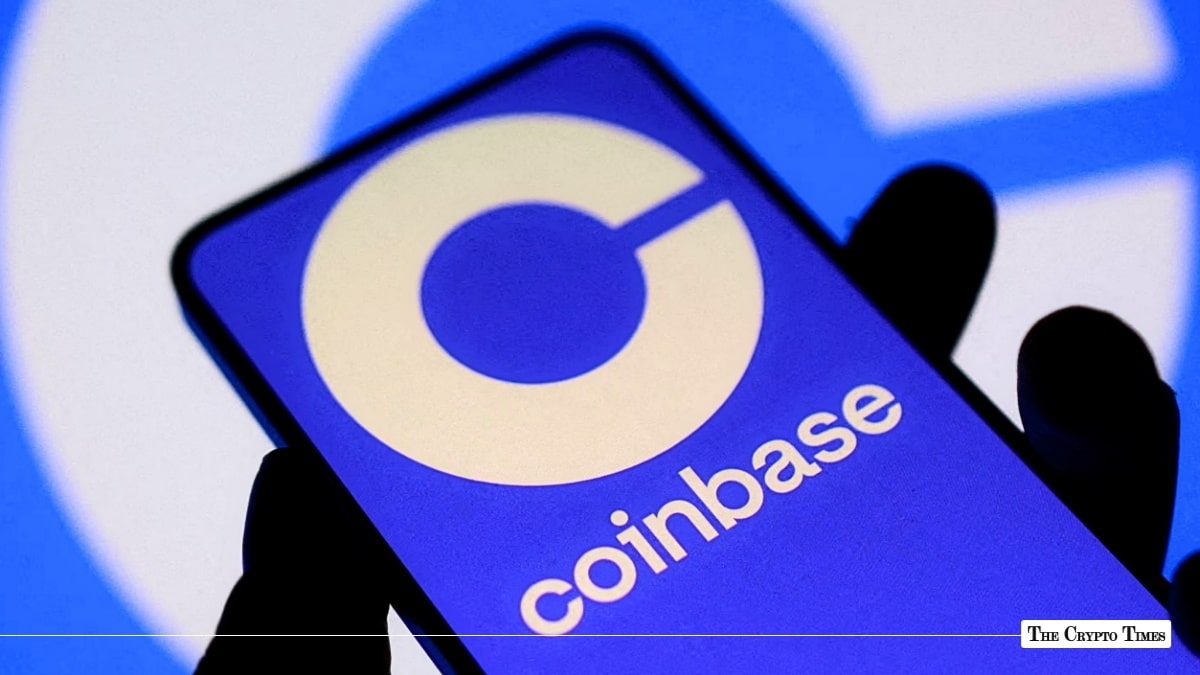
Coinbase is facing criticism after an AI feature in its app manufactured a World Cup result out of thin air, and presented it to users as fact. On July 5, ahead of the tournament’s round-of-16 clash between Brazil and Norway, an AI-generated alert in Coinbase’s prediction-markets product declared that the match was already over, with a result that had never happened.
The episode is a vivid, high-profile example of an AI “hallucination” reaching real users of a real financial product; and it has reignited a debate about how much automated content platforms should be pushing to millions of customers without a human in the loop.
What happened
The alert, styled as “Breaking news” and marked with an AI badge, ran under the headline: “Haaland double stuns five-time champions Brazil as Norway reaches World Cup quarters.” It claimed Norway had defeated Brazil 3-2 at MetLife Stadium, with striker Erling Haaland scoring twice to knock out the five-time champions, and even added a “Why it matters” note about Norway’s first World Cup knockout win since 1998. Beneath it sat a set of genuine Coinbase prediction markets on the same fixture.
There was just one problem: the Brazil vs Norway match had not been played. It was scheduled for later that day, July 5, at MetLife Stadium in New Jersey, a real fixture with a 4 p.m. kickoff, complete with live betting markets on Coinbase pricing Brazil as the favorite. The AI had, in effect, invented the outcome and broadcast it as news.
The alert was flagged by Relay Digital’s Founder Jay, who wrote that it was “what happens when a crypto company uses AI to generate sports prediction markets,” accusing Coinbase of “hallucinating results for a World Cup game that hasn’t even been played yet” and sending factually incorrect notifications to millions of users as breaking news. Critics on social media called the alert dangerous and irresponsible.
Coinbase CEO Brian Armstrong replied directly to the report, writing, “Taking a look with the team – thx for reporting it.” The prompt acknowledgment is consistent with how Coinbase has handled past consumer-app glitches, and the company is widely expected to patch the feature; likely disabling automated match alerts until results can be verified against official sources.
How it happened: AI meets prediction markets
The alert originated in the AI-driven “Trends” layer of Coinbase’s app, which surfaces news-style summaries alongside the prediction markets Coinbase has rolled out across the US as part of its “Everything Exchange,” with early market flow powered by its partner Kalshi. The design pairs machine-generated news blurbs with tradable contracts on the same events.
In this case, the AI generated a fluent, plausible-sounding match report, the hallmark of a large language model hallucination, and the system pushed it as breaking news before any game had been played. The related prediction markets shown beneath it were legitimate; the headline on top of them was fiction.
The problem with financial product trust
While an unverified sports score is a minor headache for traditional news outlets, a fabricated breaking alert carries much heavier implications when embedded inside a financial trading tool.
Coinbase’s active user base trades capital based on the real-time sentiment and factual timelines surrounding these contracts. Generating a false result as an official app alert threatens to distort consumer sentiment within the platform’s proprietary marketplace.
Furthermore, the error clashes with the broader philosophical stance Armstrong has championed this year. In January, Armstrong argued that prediction markets function as an exceptional form of truth-seeking, asserting that adding financial stakes forces the market to produce cleaner, more accurate data than legacy media channels. That messaging now sits awkwardly alongside an internal AI tool fabricating the very facts the market is supposed to price.
The incident highlights the growing pains Coinbase faces as it aggressively builds out its “Everything Exchange” strategy. The firm rolled out prediction contracts across the United States earlier this year, sourcing early liquidity and market matching through its infrastructure partner, Kalshi.
Not the first stumble
The World Cup glitch follows a series of recent consumer-facing feature errors for the exchange. In March, Coinbase had to patch an internal user-targeting bug that pushed unprompted trading notifications to wide swaths of its user base. At the time, Armstrong brushed off suggestions to heavily moderate app alerts, calling such measures paternalistic and counter to free-market ideals.
The push to rapidly ship automated features comes amidst an aggressive internal push for AI adoption, with Armstrong revealing late last year that nearly 40% of the exchange’s core daily code repository is generated by AI assistants.
The timing of the glitch underscores the immense capital flowing into crypto-adjacent prediction tools. Driven by the 2026 World Cup, combined monthly volumes across Kalshi and Polymarket reached an all-time high of $44.8 billion in June, marking a 75% month-over-month increase.
As major exchanges scramble to capture a piece of this market by layering automated AI content around trading pairs, this latest hallucination serves as a clear warning. Pushing unverified, machine-generated text as breaking news creates structural vulnerabilities for platforms where users must make financial decisions in real time.
Also Read: Kalshi Nears $10B Monthly Volume as Prediction Markets Grow