Key Highlights
- Kyle Samani said Hyperliquid is “not permissionless” and accused the project of “gaslighting the public.”
- He argued the protocol is neither fully open source nor operated by a globally distributed validator network.
- Samani also claimed the Hyperliquid Foundation can jail validators and force software upgrades.
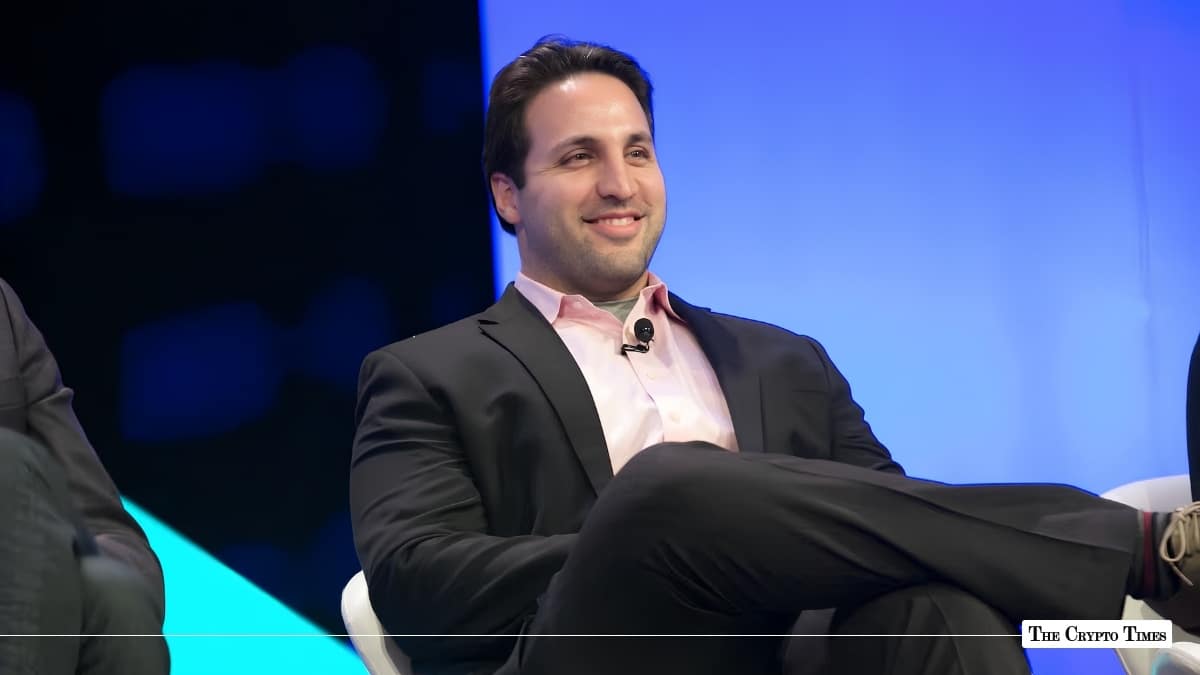
Multicoin Capital Managing Partner Kyle Samani has publicly challenged Hyperliquid’s claims of being a permissionless blockchain, arguing the decentralized trading protocol remains far more centralized than it portrays.
The criticism followed Hyperliquid’s response to its recent inclusion on the Monetary Authority of Singapore’s (MAS) Investor Alert List (IAL), where the protocol emphasized that the listing “does not constitute a ban, an enforcement action, or a finding of wrongdoing.”
Hyperliquid also reiterated that it is “permissionless infrastructure” and has never claimed to be licensed or regulated by MAS.
Samani challenges hyperliquid’s decentralization claims
Responding to Hyperliquid’s statement, Multicoin Capital managing partner Kyle Samani rejected the protocol’s claim that it is permissionless.
“Hyperliquid is not permissionless. Stop gaslighting the public.”
Samani argued that a truly permissionless blockchain should be open source and operate through a globally distributed validator network rather than having validators concentrated in a single location.
His comments directly challenge Hyperliquid’s decentralization narrative as the protocol continues positioning itself as permissionless blockchain infrastructure.
Raises questions over validator control
Samani also criticized Hyperliquid’s validator governance model, arguing that the Hyperliquid Foundation retains excessive authority over network participants.
According to him, validators do not operate independently because the foundation can remove them from the active validator set.
“The Hyperliquid Foundation can put a validator in ‘jail’ for any reason and remove it from the active validator set.” He further alleged that validators are required to adopt protocol upgrades.
If accurate, Samani argues these governance powers are inconsistent with the principles of a permissionless blockchain, where validators are expected to operate independently without centralized oversight.
Hyperliquid says MAS listing is not a ban
Earlier in the day, Hyperliquid sought to reassure users following its inclusion on Singapore’s MAS Investor Alert List.
The protocol clarified that the Investor Alert List is intended to identify entities that could be mistakenly perceived as being licensed or regulated by MAS and should not be interpreted as enforcement action.
“IAL listing does not constitute a ban, an enforcement action, or a finding of wrongdoing.”
The project also maintained that nothing about its network operations has changed, adding that users continue to maintain self-custody while transactions settle transparently on-chain.
The company further noted that several major cryptocurrency exchanges and decentralized finance platforms have previously appeared on the Investor Alert List. Earlier this month, crypto exchange Bybit was also added to the MAS Investor Alert List in what regulators described as a public warning designed to help investors identify platforms that are not licensed or regulated in Singapore, rather than an allegation of fraud or a ban on operations.
Hyperliquid said it remains committed to engaging constructively with regulators and institutions worldwide while supporting clear regulatory frameworks for on-chain finance.
Debate over decentralization intensifies
Samani’s criticism has reignited debate over what qualifies as a permissionless blockchain, particularly as institutional adoption and regulatory scrutiny continue to increase.
While Hyperliquid maintains that it operates as permissionless infrastructure, Samani argues that validator governance, upgrade authority, and infrastructure concentration tell a different story.
The exchange highlights a broader industry debate over whether decentralization should be measured by technical architecture, governance structures, or both.
Also read: Tether-Backed Dreamcash Cuts CASH Markets Amid Hyperliquid USDC Surge