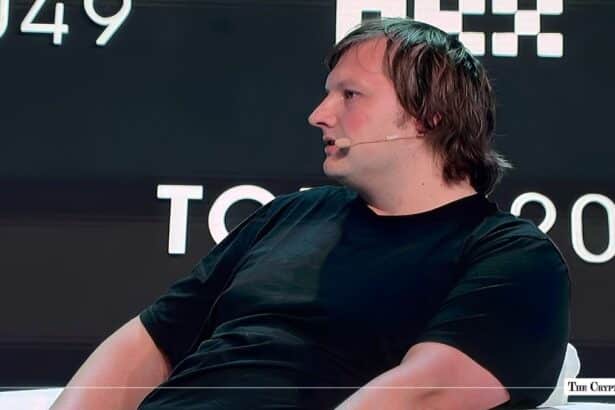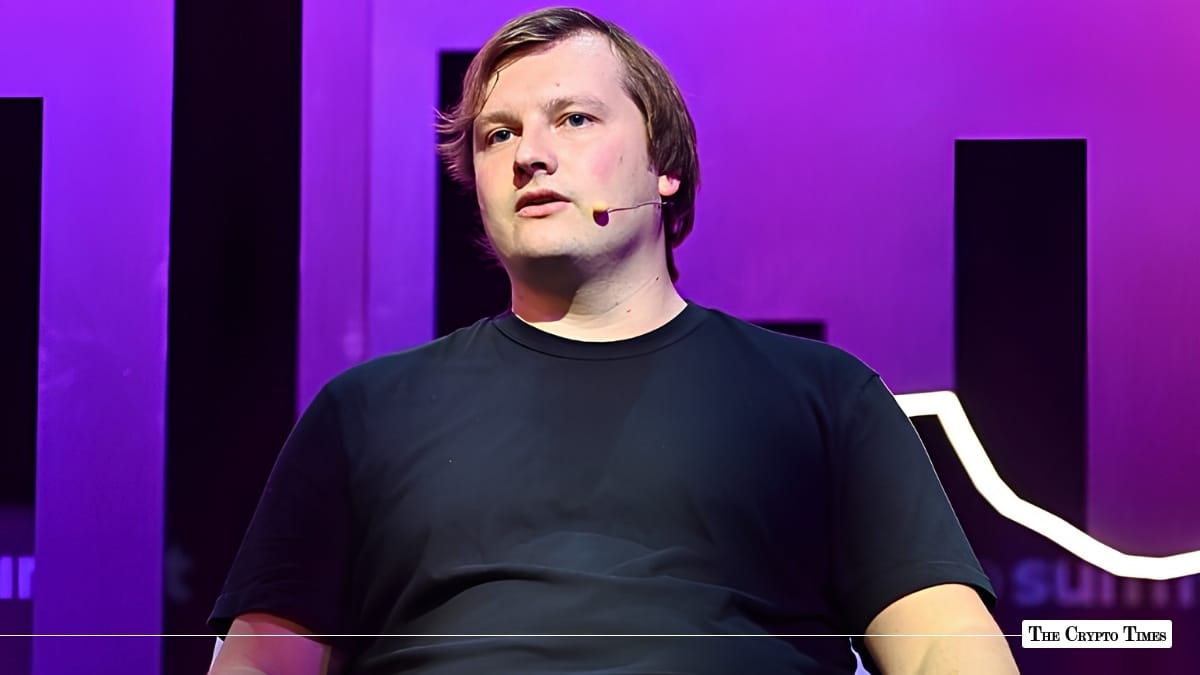
Aave Founder Stani Kulechov has pushed back against circulating reports that Kraken’s parent company, Payward Inc., is in talks to acquire a massive, highly discounted stake in the Aave ecosystem.
In a direct response posted to X, Kulechov stated that claims suggesting AAVE tokens could be sold off at a massive markdown were fundamentally inaccurate. He drew a hard line between the decentralized protocol and its software provider, clarifying that any ongoing industry discussions strictly involve Aave Labs rather than the community-governed Aave protocol itself.
“Lots of discussions around Aave so I want to clarify a few things,” Kulechov wrote. “First off, there is NO WAY we’d sell AAVE at a 70% discount lol.”
The founder emphasized that any potential corporate negotiations relate exclusively to Aave Labs’ own token allocation, and the market should not interpret these talks as a centralized liquidation of the protocol or its governance token.
Revenue flows to the token, not the labs
To counter the market speculation regarding the protocol’s structural integrity, Kulechov pointed to Aave’s recently approved “Aave Will Win” framework.
He reiterated that the decentralized autonomous organization (DAO) directs all revenue generated by the Aave Protocol and the native GHO stablecoin exclusively to AAVE token holders.
“100% of Aave Protocol and GHO revenue goes to the $AAVE token,” he wrote, noting that this sweeping revenue-sharing policy also applies to the Aave App, Aave Pro, and native Swaps.
Kulechov made it explicitly clear that Aave Labs does not siphon revenue from the protocol or its products, despite acting as the primary software developer for the DAO. Furthermore, total ownership of the Aave brand, its underlying software stack, and all associated intellectual property remains securely in the hands of AAVE token holders.
Looking ahead, Kulechov also disclosed that developers are finalizing the architecture for Aavenomics 3.0.
“We haven’t shared much on this yet, but the Aave team is designing Aavenomics 3.0, which includes a new automated and non-discretionary buyback mechanism,” he teased, adding that the team plans to unveil comprehensive details during the next quarterly community call.
Unpacking the Kraken speculation
Kulechov’s firm public stance was triggered by industry reports claiming that Kraken’s parent entity, Payward, was actively negotiating to acquire a 15% stake in Aave Group. According to the rumored metrics, the proposed transaction valued the entity at roughly $385 million and involved a complex swap of 35,000 ETH, 250,000 AAVE tokens, and common equity.
Kraken and Aave do share an established operational relationship. Earlier this year, Kraken-backed Ink launched the Tydro lending platform, which utilizes a customized iteration of the Aave V3 architecture. The exchange has also publicly outlined broader corporate strategies to deepen its integration with Aave, aiming to provide retail users with frictionless access to decentralized finance (DeFi) yields.
The clarification arrives at a critical juncture for Aave as the protocol continues to stabilize and expand its ecosystem following the severe rsETH exploit in April. The massive vulnerability, which originated from Kelp DAO and LayerZero, disrupted liquidity across wide segments of the DeFi market.
Aave and Kelp DAO have since successfully executed a joint recovery plan, restoring normal market operations. Moving past the crisis, the protocol is currently lobbying UK regulators to establish bespoke DeFi frameworks while simultaneously accelerating the development of its highly anticipated modular V4 upgrade, which aims to dramatically expand lending capacity and isolate collateral risk.
Also Read: Saylor’s Bitcoin Strategy Under Pressure: MSTR-STRC Faces Terra-Luna Style Death Spiral Fears