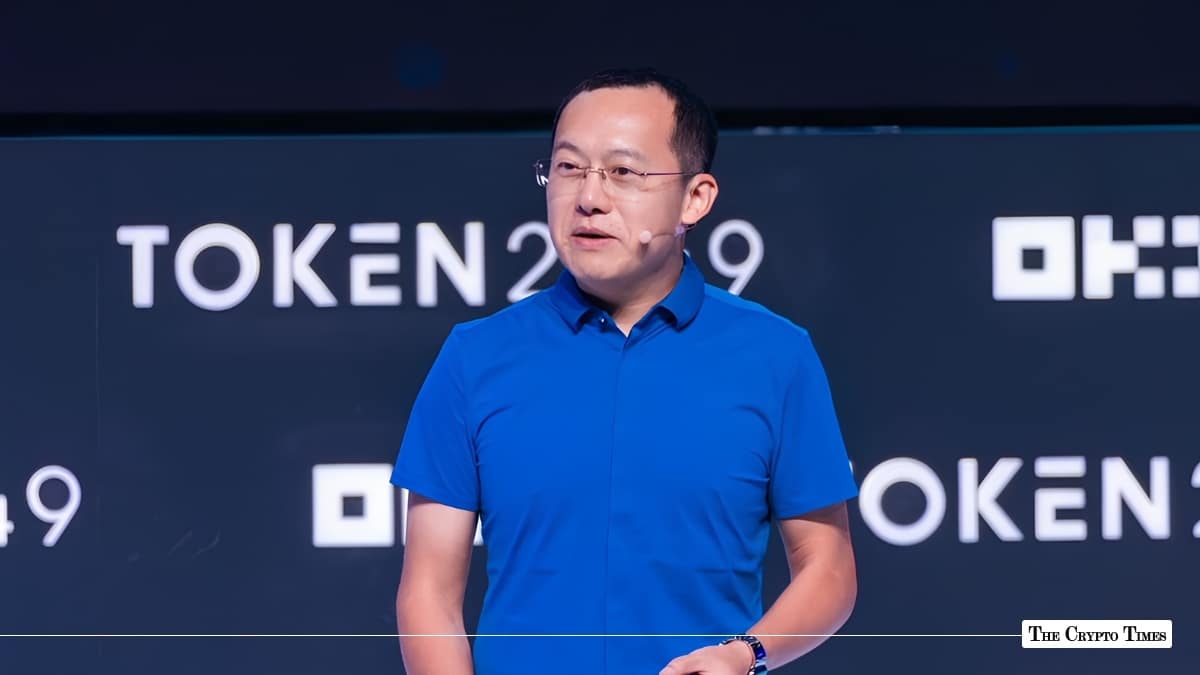
A debate over crypto regulation and competition is gaining momentum after OKX Founder and CEO Star Xu argued that stricter rules could strengthen the industry rather than hinder it. His comments came amid reports that Greek regulators may reject Binance’s application for a license under the European Union’s Markets in Crypto-Assets (MiCA) framework.
Posting on X, Xu said the “end of regulatory arbitrage is good for crypto,” arguing that exchanges should compete on technology, products, execution, and user trust instead of benefiting from differences in regulatory requirements. Xu also dismissed the idea that stronger regulation of rivals would threaten competition. Instead, he said users stand to benefit when exchanges operate under the same rules, allowing innovation and trust to become the key factors driving growth.
Xu questions Binance’s competitive model
In a detailed post on X, Xu reflected on Binance’s rapid growth and its impact on the crypto industry, arguing that differences in regulatory requirements have shaped competition for years. As regulators move toward more consistent oversight, he said those advantages are likely to diminish.
Xu pointed to Binance’s reliance on market speculation and aggressive narratives to drive adoption. On the flip side, he expressed worry regarding token listings and market integrity, stating that exchanges must earn user trust through rigid governance rather than regulatory evasion.
“The only way you can win is by competing on product, technology, implementation, governance, and trust, rather than on who gets away with breaking the fewest rules,” wrote Xu. He further stated that more regulation could help enhance the image of the broader industry.
Tensions with CZ continue to escalate
The comments were made closely after Binance CEO Changpeng Zhao had hailed the decentralized exchange Hyperliquid as having an “actually awesome model,” although he noted that his own platform was not able to implement it due to legal reasons. The comments sparked a reaction from Xu, who questioned the Binance team on their connection with the Aster DEX and asked if they were really doing things differently by running their services through different companies.
Tensions between the pair resurfaced earlier this year after Zhao’s memoir revisited past disputes involving business agreements and regulatory issues. Written during his four-month U.S. federal prison sentence, the book leveled explosive allegations against Xu, claiming a screenshot proved Xu had personally reported industry rivals to Chinese police in 2020. Xu fiercely rejected those accounts on social media, labeling CZ a “habitual liar” and reviving decades-old contract disputes over the Bitcoin.com domain name.
The public feud also comes at a critical juncture for Binance in Europe. The exchange faces growing pressure to secure a clear operational path under MiCA before key compliance deadlines take effect. The outcome in Greece will serve as an important test of whether the bloc’s unified framework can successfully eradicate regional arbitrage and force crypto exchanges into a unified playing field.
Conversely, Xu’s stance aligns perfectly with OKX’s broader regulatory roadmap. The exchange has already obtained its primary MiCA license through Malta, positioning it to smoothly expand its presence across heavily regulated European jurisdictions while its competitors scramble to adapt.
Also Read: BitGo Places $50M Bet on Its Shares Through Buyback Program