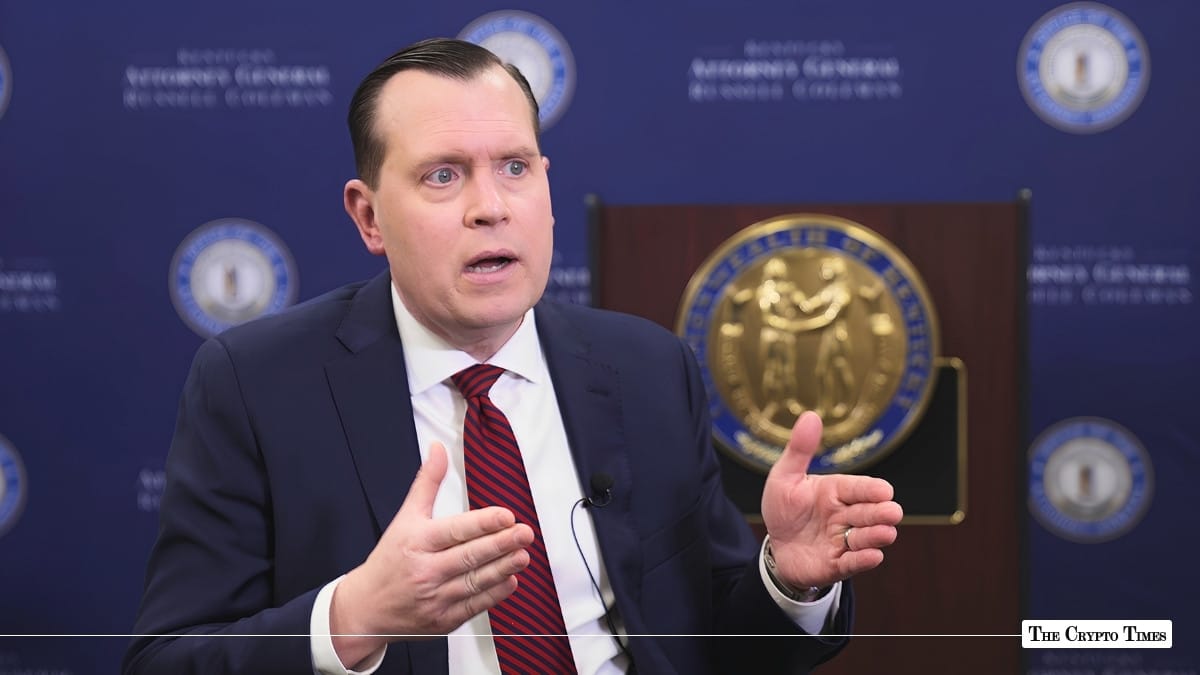
A legal battle over prediction markets and online gaming is rapidly intensifying after Kentucky Attorney General Russell Coleman launched three lawsuits targeting operators Kalshi and Polymarket, alongside global sweepstakes casino operator VGW. The state accuses the firms of illegally offering sports betting and casino products to Kentuckians without complying with state gambling or licensing laws.
The lawsuits represent the latest chapter in a rapidly intensifying nationwide dispute over prediction markets, event contracts, and crypto-based wagering products, as regulators and lawmakers debate whether these offerings should be treated as federally regulated financial instruments or traditional sports betting.
Kentucky says prediction markets function as sportsbooks
According to Coleman’s lawsuits, Kalshi and Polymarket have been conducting sports wagering activity in Kentucky without obtaining the licenses required under state law.
Kentucky argues that while Kalshi labels its offerings as event contracts, the economic reality is substantially similar to sports betting. State officials cited data indicating that sports-related contracts represented roughly 70% of activity on Kalshi during a reviewed sample period. The lawsuits further claim that nearly 90% of approximately $23 billion in contract volume was tied to sports outcomes.
Attorney General Coleman argued that changing the terminology does not change the underlying activity. “Kalshi and Polymarket are operating illegal sportsbooks in Kentucky and breaking our laws,” Coleman said. “These multi-billion-dollar corporations and their legal fictions don’t pass the sniff test.”
He also alleged that Polymarket offers many of the same wagering options available through regulated sportsbooks, including outcome-based markets that resemble moneylines, point spreads, totals, parlays, and proposition bets. He stated that consumers may mistakenly assume the platform is legally permitted to offer sports wagering services within the state.
Kentucky’s lawsuits also argue that users of prediction market platforms are not receiving the same protections available through the state’s regulated sports betting framework. Officials claim the platforms operate outside Kentucky’s responsible gambling requirements, consumer safeguards, and licensing oversight mechanisms, and allege violations of Kentucky’s Consumer Protection Act, the Loss Recovery Act, and various state gambling statutes.
Kentucky’s lawsuits reflect broader regulatory trend
Kentucky is far from alone in targeting prediction markets and crypto-based event contracts.
In December 2025, Connecticut regulators took action against Robinhood, Kalshi, and Crypto.com, alleging consumer protection concerns and regulatory violations tied to event-contract offerings and related financial products.
The Connecticut enforcement action highlighted growing concerns among state regulators that prediction markets are expanding into areas traditionally governed by gambling and consumer protection laws.
The increasing scrutiny suggests states are becoming less willing to accept the industry’s argument that sports-event contracts fall exclusively under federal financial regulations.
Federal battle could decide industry’s future
The legal uncertainty surrounding prediction markets intensified further in June 2026 when the Commodity Futures Trading Commission (CFTC) filed a lawsuit against New Mexico. That case centers on whether states can restrict sports-event contracts that have received federal approval or whether the CFTC possesses exclusive authority over such markets.
The lawsuit is widely viewed as one of the most important legal battles facing the prediction market industry.
A ruling in favor of the CFTC could strengthen the position of federally regulated platforms such as Kalshi and limit state intervention. Conversely, a victory for New Mexico could reinforce the authority of individual states to regulate or prohibit sports-related event contracts within their borders.
A defining moment for prediction markets
The Kentucky lawsuits, combined with regulatory actions in Connecticut and the ongoing federal dispute involving the CFTC and New Mexico, illustrate the growing divide between federal regulators, state authorities, and prediction market operators.
At the heart of the debate is a simple question: Are sports-event contracts financial products regulated by federal commodities law, or are they sports bets that belong under state gambling oversight?
The answer could determine the future of prediction markets, crypto-based wagering products, and the broader event-contract industry across the United States.
This version gives readers the full national context and makes the Kentucky story feel much larger than a single state enforcement action.
Also read: CME to Sue CFTC Over Kalshi’s Bitcoin Perpetual Futures