Justice Neil Gorsuch of the U.S. Supreme Court has granted Custodia Bank additional time to file a petition for a writ of certiorari, moving the Wyoming-based crypto bank one step closer to a potential Supreme Court showdown with the Federal Reserve.
The application, docketed as Case No. 25A1320, was submitted to Justice Gorsuch on May 22, 2026, requesting a 30-day extension to file the certiorari petition. On May 29, 2026, Justice Gorsuch granted the application, extending the deadline from June 11 to July 11, 2026. Custodia’s counsel of record is Kannon K. Shanmugam of Davis Polk and Wardwell LLP, as per Journalist Eleanor Terrett’s X post.
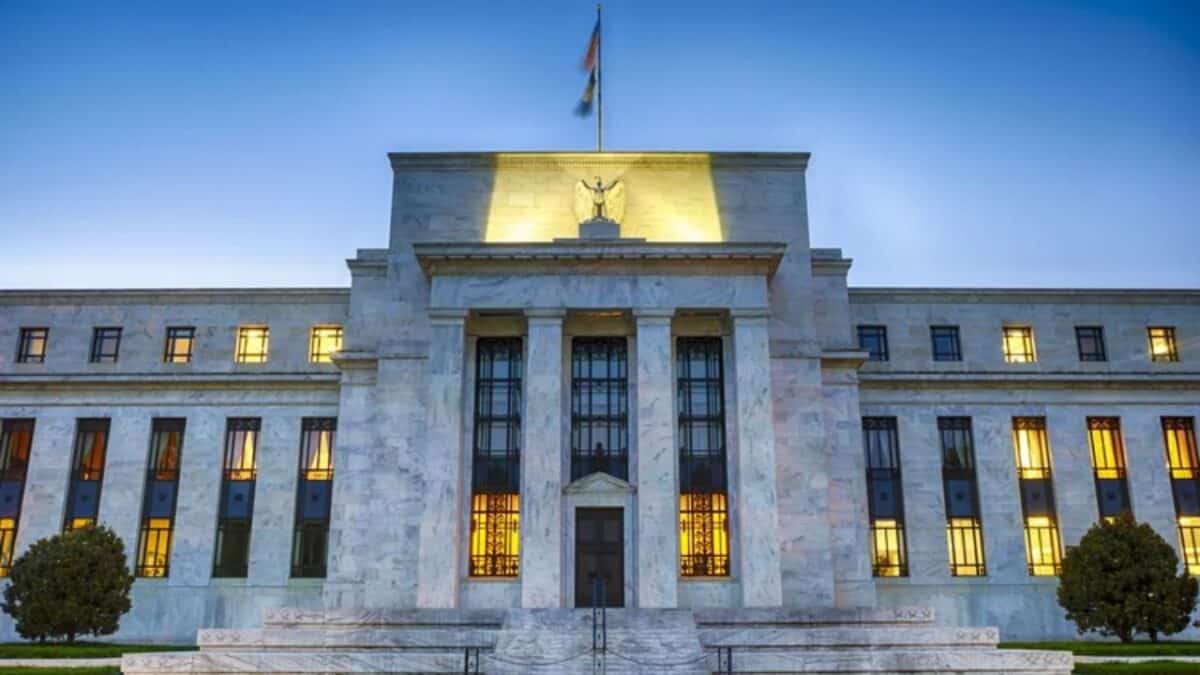
The move comes after a years-long legal battle that has pitted Caitlin Long, founder and CEO of Custodia Bank, against the Federal Reserve over access to a so-called Fed master account, which grants institutions direct access to the central bank’s payment rails. Without it, banks must route transactions through an intermediary bank, a significant operational and financial disadvantage.
The long road to this moment
Custodia, previously known as Avanti Bank, first applied for a master account in October 2020 after receiving a special-purpose depository institution (SPDI) charter from the state of Wyoming. The application, typically processed within a week, languished for over 19 months without resolution. In January 2023, the Federal Reserve Bank of Kansas City formally rejected the request, citing “safety and soundness” concerns tied to the bank’s focus on digital assets.
Wyoming developed a framework for crypto banking in 2019, creating special-purpose depository institution charters, or SPDIs, through which banks can receive deposits and provide custody, asset servicing, and other services for digital assets. SPDIs cannot make loans and are not required to carry FDIC insurance. Long herself helped shape that legislation and has argued from the start that any federally eligible depository institution has a statutory right to a master account.
Courts side with the Fed, but dissent grows
The Tenth Circuit held that the plain language of the Federal Reserve Act and the Monetary Control Act grants Federal Reserve Banks discretion to approve or deny master account applications from eligible entities. The court found that neither the statutes nor subsequent amendments mandated automatic access for all qualifying institutions and affirmed the district court’s judgment in favor of the defendants on all claims.
The 10th Circuit Court of Appeals affirmed that decision on October 31, 2025. Then, on March 13, 2026, the 10th Circuit denied Custodia’s petition for en banc rehearing by a vote of 7-3. Three dissenting judges are notable, suggesting meaningful disagreement on the bench about the scope of the Fed’s discretion, particularly regarding what the denial means for state chartering authority.
In dissent, Judge Timothy Tymkovich warned that by endorsing unreviewable discretion, the court put the actions of Reserve Banks at odds with both statutory and constitutional requirements. Custodia had argued in its en banc petition that the panel’s interpretation misread the Monetary Control Act and ignored its clear command that the Fed must provide master accounts to eligible nonmember depository institutions, and that the decision broke from the Fed’s longstanding practice and gave it unchecked discretion over access.
What hangs in the balance
Custodia CEO Caitlin Long has called the denial a “death sentence” for the bank’s operations. The case carries implications that stretch far beyond one bank. The battle between Custodia and the Fed is not just about crypto. It is also about the dual banking system in the U.S., which allows banks to charter under either federal or state law. A Supreme Court ruling in Custodia’s favor could fundamentally limit the Fed’s power to block state-chartered institutions from payment system access, reshaping how crypto banks operate nationwide.
The latest legal development arrives at a time when the Fed system has cracked a door open on master accounts for crypto firms. The Federal Reserve Bank of Kansas City recently granted crypto exchange Kraken a special new limited account that, while not a full master account, carries many of the same features, making Kraken the first crypto firm to receive one for its banking arm.
With the petition deadline now set for July 11, 2026, all eyes will turn to whether the Supreme Court agrees to take up the case. If it does, the outcome could redraw the boundaries of federal banking authority and open a direct path for crypto-native banks to access the U.S. payments system without going through traditional intermediaries.
Also Read: Seoul Court Blocks FIU’s 3-Month Ban on Crypto Exchange Coinone