Key Highlights
- BIS and global banks are testing Project Agorá, a new digital payment system that will use real money for cross-border transfers.
- The system uses a shared “unified ledger” and tokenized money, allowing banks to settle international payments instantly in one step.
- Major central banks and institutions like the Federal Reserve Bank of New York, the ECB, the Bank of Japan, and Mastercard are involved in the trial.
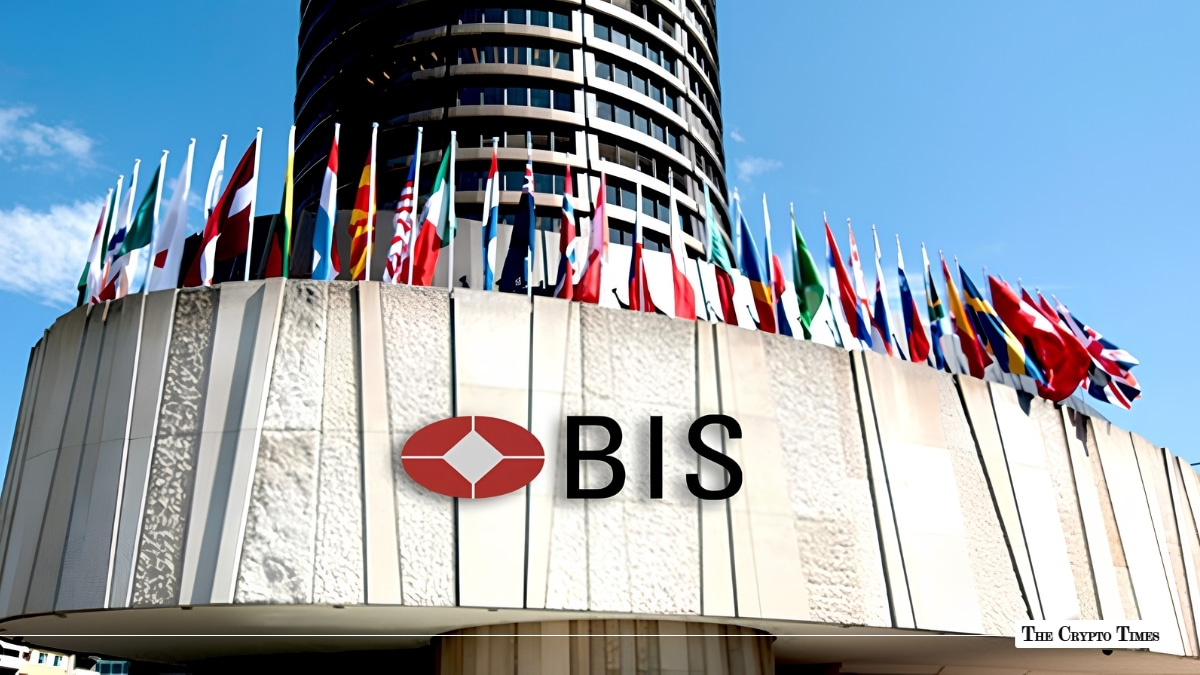
The Bank for International Settlements (BIS) and a group of global financial partners are getting ready to test a new blockchain-based digital system for cross-border payments that will use real money.
According to a Bloomberg report, the project, called Project Agorá, has been developed with seven central banks and more than 40 regulated financial institutions. This testing stage comes after about two years of planning and design. The BIS said this next stage will involve actual transfers of money between participating banks using a shared digital system.
Why this project matters
The main purpose of the project is to make international money transfers a lot cheaper and easier for people. Right now, sending money between countries often takes time because it passes through many banks before reaching the final destination.
However, this new system is built to reduce those steps. Instead of many middle banks, the new model uses a shared digital platform where banks can send and receive money directly in a simpler way.
The system uses what the BIS calls a “unified ledger.” This is like one shared digital record where all transactions are recorded. In this system, money is not just regular cash. It is turned into digital tokens. These tokens can represent central bank money or commercial bank deposits. Both types of money can move on the same system, which helps different banks work together in one place.
Instant payment in one simple step
BIS stated that the key feature of the system is what it calls “atomic settlement.” This means that a payment is completed in one step. Once everything needed for the transaction is confirmed, the money moves instantly, and all banks involved update their records at the same time.
Andrea Maechler, deputy general manager of the BIS, explained it in simple terms: “Once you know you have everything to run the transaction, you settle it in one go.” This helps avoid delays that are common in today’s global payment system.
Major central banks and institutions join testing
Several major financial institutions are part of this project. These include the Federal Reserve Bank of New York, the European Central Bank, the Bank of Japan, the Bank of England, JPMorgan Chase, UBS Group AG, Deutsche Bank AG, Mastercard, and Visa.
The Institute of International Finance, which helped bring private banks into the project, said it could benefit the whole financial system. Its head, Tim Adams, said, “It will benefit the entire financial system.”
At this stage, the system is still being tested, but it is moving closer to real use. Adams noted that the focus is on getting the system right rather than rushing its rollout. Meanwhile, the Bank of Canada has recently joined the project, and more financial companies are expected to join later.
BIS’s previous attempt in 2024
The project also follows earlier efforts to improve cross-border payments that were adjusted after concerns about financial stability and sanctions risks.
The BIS had previously stepped back from related work in 2024 but later re-engaged with a refined approach focused on controlled testing. Project Agorá now represents a broader effort to test whether tokenization can reduce inefficiencies in wholesale international payments while keeping the system secure and regulated.
The BIS said the prototype has already shown that tokenization can help address inefficiencies in cross-border payments in a safe and secure way. As testing moves forward, more banks and financial institutions are expected to join.
Also Read: SoFi Becomes First U.S. National Bank to Launch a Retail Stablecoin