The U.S. House Oversight Committee today launched an investigation into insider trading risks on prediction market platforms Polymarket and Kalshi, citing concerns that users may have profited from nonpublic information tied to military operations and political events.
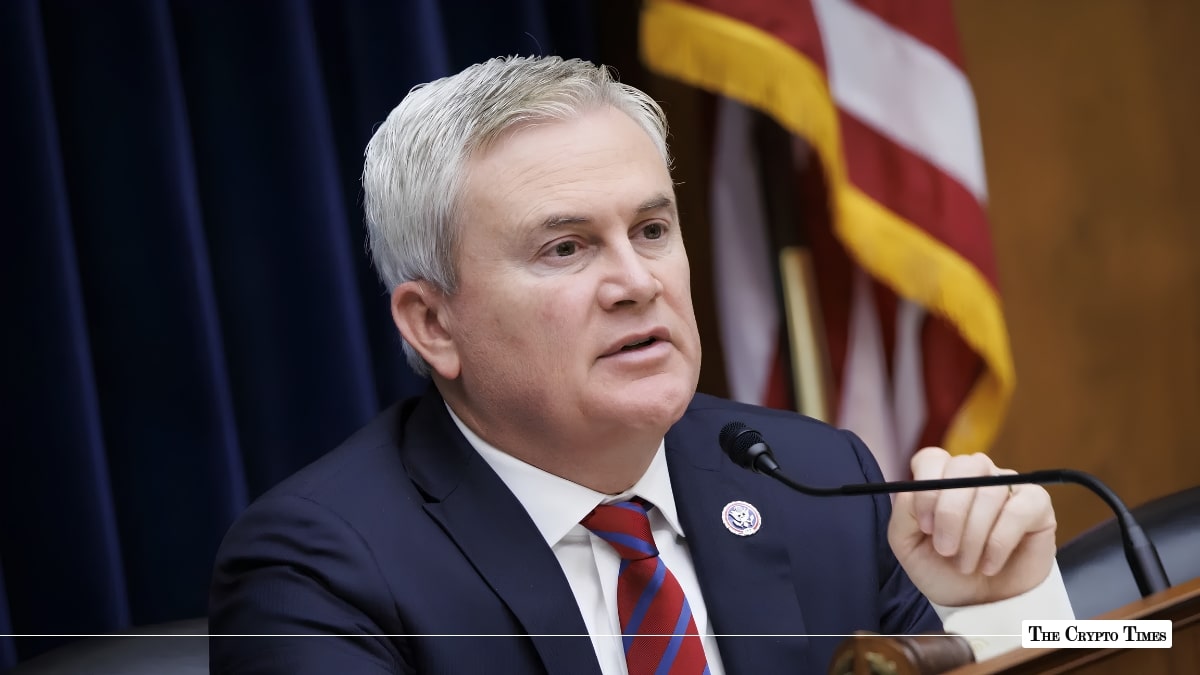
According to the official release, in letters sent to Polymarket CEO Shayne Coplan and Kalshi CEO Tarek Mansour, House Oversight and Government Reform Committee Chairman James Comer requested documents detailing how both platforms verify users, enforce geographic restrictions, and monitor suspicious trading activity.
The committee said it is examining whether gaps in compliance systems may allow traders to exploit sensitive or classified information through event-based contracts.
Military operations and political bets draw scrutiny
The investigation follows reports of suspiciously timed trades on prediction markets linked to geopolitical events.
According to the committee, a recent New York Times investigation identified more than 80 Polymarket accounts that placed bets with unusual timing, including wagers made shortly before undisclosed U.S. and Israeli military operations involving Iran. Lawmakers said the activity raised questions about whether existing safeguards are sufficient to detect insider trading.
The letters also referenced an April 2026 federal indictment against U.S. Army Master Sergeant Gannon Ken Van Dyke. Prosecutors alleged Van Dyke used classified information related to “Operation Absolute Resolve,” a U.S. operation that led to the capture of Venezuelan President Nicolás Maduro, to place trades on Polymarket that allegedly generated more than $409,000 in profits.
Kalshi was separately cited over political event contracts. The committee pointed to reports that gubernatorial candidate Kyle Langford wagered on his own race through the platform in 2025. Lawmakers also referenced reports that other political candidates traded contracts tied to their campaigns earlier this year.
Lawmakers seek KYC and surveillance records
The committee asked both companies to provide internal records covering the period from January 2024 to the present, with responses due by June 5, 2026.
Among the requested materials are documents related to Know-Your-Customer procedures, identity verification systems, suspicious activity monitoring, and communications with regulators or law enforcement agencies. The committee also requested records tied to contracts involving Iran-related military activity and the Maduro operation.
Lawmakers are additionally seeking information on how the platforms handle international users and whether foreign account holders face the same verification standards as U.S.-based traders.
For Kalshi, the committee highlighted concerns around the company’s international expansion after the platform reportedly expanded access to more than 140 countries in 2025. The letter noted that the growth of global event trading markets may have created regulatory gaps that sophisticated actors could exploit.
Focus on market integrity
Comer said the investigation is intended to assess whether congressional action is needed to address insider trading risks in prediction markets.
“The growing pattern of insider trading activity on prediction market platforms indicates that Congressional action may be necessary,” Comer wrote in both letters. The committee also requested documents discussing how suspicious trading activity could affect the platforms’ market integrity, public reputation, and regulatory obligations.
Prediction markets have grown rapidly in recent years, particularly around elections, macroeconomic events, and geopolitical developments. Platforms such as Kalshi operate under U.S. regulatory oversight through the Commodity Futures Trading Commission, while Polymarket has historically restricted U.S. users following prior regulatory settlements.
Also Read: Polymarket Ops Wallet Drained $700K — User Funds Unaffected