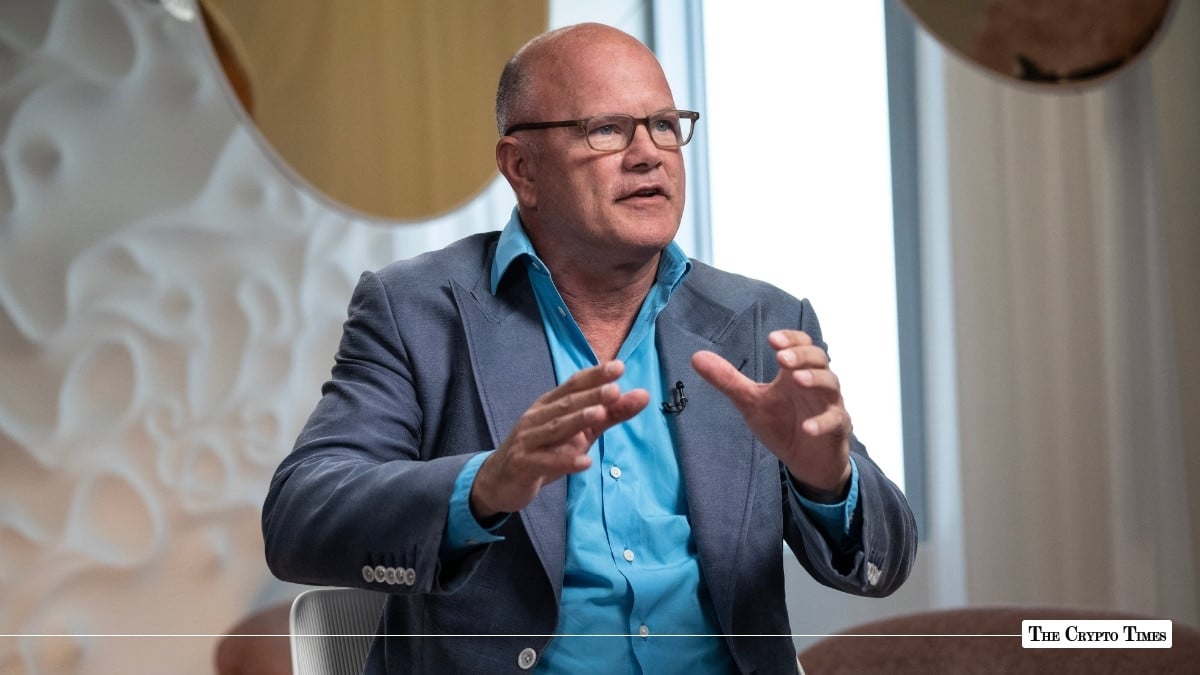
A legal dispute between Galaxy Digital and BitGo escalated this week as Galaxy Founder Michael Novogratz and BitGo CEO Mike Belshe appeared in Delaware court over the collapse of their proposed $1.2 billion merger.
According to Bloomberg, the case centers on Galaxy’s 2022 decision to terminate its acquisition of BitGo, which was originally announced during the peak of the crypto bull market in 2021 and was considered one of the industry’s largest merger deals at the time.
BitGo is now seeking at least $100 million in damages, arguing Galaxy failed to make reasonable efforts to complete the transaction and withheld critical information related to regulatory investigations.
Galaxy attributes the withdrawal to regulatory complications
During his testimony, Novogratz stated that Galaxy remained committed to completing the merger but argued that the regulatory climate in the United States had become increasingly difficult as the crypto market deteriorated in 2022.
“The entire time, I was pushing to get this deal done,” Novogratz testified in Delaware Chancery Court on Tuesday. He said that both companies eventually recognized that securing approval from the U.S. Securities and Exchange Commission (SEC) had become increasingly challenging under the leadership of former SEC Chair Gary Gensler.
According to Novogratz, Galaxy even explored restructuring the merger through Canada while waiting for regulatory conditions in the United States to improve.
The acquisition required SEC approval because the combined company planned to list publicly on Nasdaq, adding additional scrutiny during a period when regulators were tightening oversight across the digital asset sector.
BitGo accuses Galaxy of hiding Luna investigation risks
BitGo also argued that Galaxy failed to disclose details tied to investigations surrounding its involvement with Terraform Labs’ Luna token ecosystem.
Belshe claimed the undisclosed regulatory scrutiny could have materially affected the merger approval process. “It was pretty insulting,” Belshe told the court. “They hid it from us.”
The dispute also revisits Galaxy’s involvement in Luna trading before the ecosystem’s collapse triggered one of crypto’s largest market crashes in 2022. Novogratz defended Galaxy’s actions, saying the firm reduced exposure as prices surged and denied claims that Galaxy created the speculative frenzy surrounding the project.
“The idea that I single-handedly created this lunacy is just not correct,” he testified.
Financial statement dispute remains central
As per the report, Galaxy claimed that BitGo forfeited its right to the termination fee because it failed to provide audited financial statements within the timeline required under the merger agreement.
BitGo denied those claims, arguing the necessary documents were submitted appropriately and accusing Galaxy of using the issue as justification to exit the transaction after market conditions worsened.
“This was incredibly damaging,” Belshe testified, referring to Galaxy’s public announcement terminating the deal. “Galaxy is telling the world we can’t pass an audit.”
The legal battle has continued for several years after Delaware’s Supreme Court revived the case in 2024, ruling that portions of the merger agreement contained ambiguous language regarding financial statement compliance requirements.
Broader regulatory pressure continues
The Galaxy-BitGo dispute reflects wider tensions facing the crypto industry as firms navigate evolving regulation, market volatility, and institutional adoption challenges.
Regulators globally continue increasing scrutiny around crypto mergers, token promotion practices, custody standards, stablecoins, and market infrastructure.
At the same time, major financial institutions and crypto firms continue expanding into tokenized finance, digital settlement systems, and blockchain-based trading infrastructure despite ongoing legal and regulatory uncertainty.
Also read: Unsealed Court Filings Reveal Jane Street Traders Joked About Edge Before $192M UST Dump