Key Highlights
- Vitalik Buterin shared a new plan to make Ethereum faster and able to handle more transactions.
- Short-term upgrades in the Glamsterdam update will let computers check blocks faster and allow more transactions to fit into each block.
- Long-term tools like zero-knowledge proofs and blobs will help Ethereum handle more data while keeping the network open for smaller participants.
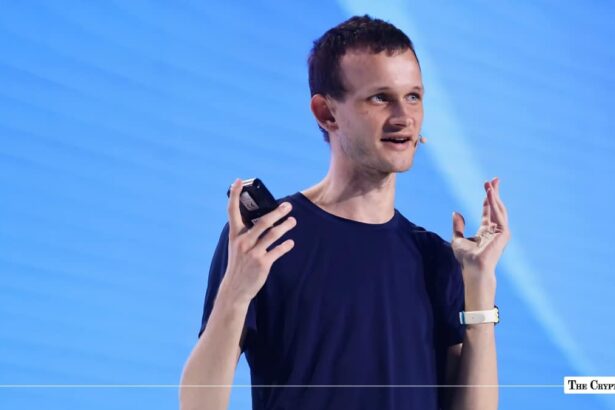
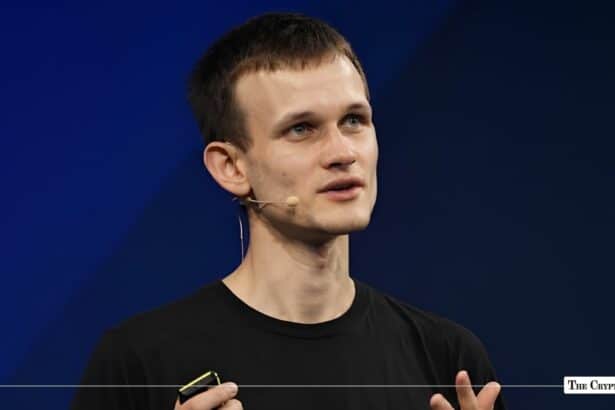
Ethereum co-founder Vitalik Buterin has shared a new plan to make the Ethereum blockchain faster and more efficient. In a post on X on Friday, he explained how the network can handle more transactions soon and prepare for bigger changes in the future.
His plan includes short-term updates to make blocks faster to check and long-term tools like zero-knowledge proofs and “blobs” that will change how Ethereum confirms activity. Buterin said the goal is to let more people use Ethereum without making it too hard for smaller computers to keep up.
New upgrades to make blocks faster
The first part of the plan focuses on short-term improvements through the Glamsterdam upgrade. Blocks will have access lists, which let computers check different parts of a block at the same time, instead of one by one.
Another feature, called ePBS, helps the network use almost the full 12-second block window safely. This allows Ethereum to fit more transactions into each block without causing errors. The update also changes how “gas” fees work. Instead of charging the same for temporary work and permanent storage, new fees will make storing long-term data more expensive while keeping normal transactions cheaper.
Buterin explained, “State creation gas will NOT count toward the ~16 million tx gas cap, so creating large contracts (larger than today) will be possible.”
With the new system, creating long-term data costs more, but normal transactions stay cheaper, letting Ethereum handle more activity without growing too fast.
A new way to charge gas fees
Another improvement is “multidimensional gas,” which separates the costs for different types of work, like regular transactions and permanent storage. The Ethereum Virtual Machine (EVM), which runs the network, will use special gas first and then a shared “reservoir” if needed. This lets the network process more transactions safely while keeping it stable.
“What we do is, we create N+1 ‘dimensions’ of gas, where by default N=1 (state creation), and the extra dimension we call ‘reservoir,’” Buterin stated.
Tools that could expand blockchain capacity
For the long term, Buterin said Ethereum will use zero-knowledge Ethereum Virtual Machines (ZK-EVMs) and blobs. ZK-EVMs let parts of the network confirm blocks without redoing every transaction.
By 2027, more of the network could safely use ZK-EVMs, which allow higher gas limits while still letting smaller users participate. Blobs, now used in layer-2 networks, could carry Ethereum’s own transaction data. This will let validators check activity without downloading the whole blockchain.
The overall goal is to scale Ethereum while keeping it decentralized and accessible. Buterin explained that the network should avoid becoming so data-heavy that only large operators can participate.
Also Read: Vitalik Buterin Outlines Ethereum’s Quantum-Resistance Roadmap