Key Highlights
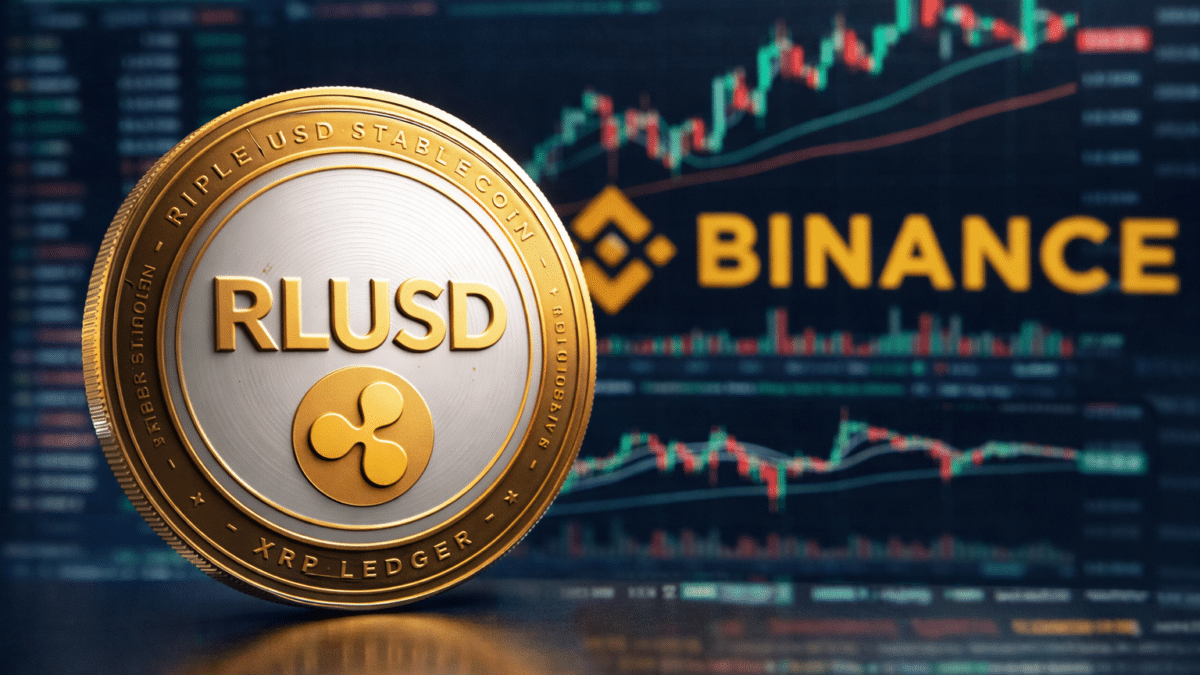
- RLUSD, Ripple’s stablecoin, is live on Binance, supporting Ethereum now and XRP Ledger soon, expanding access for users and institutions globally.
- Big firms like BlackRock and VanEck are using RLUSD, while Ripple gains federal oversight, boosting transparency and trust.
- Emerging markets lead stablecoin adoption, but regulators will need clear rules as RLUSD usage grows worldwide.
Ripple’s U.S. dollar-backed stablecoin, RLUSD, is now available for spot trading on Binance, the world’s largest crypto exchange. The listing launches with Ethereum support, while XRP Ledger (XRPL) integration is coming soon.
According to Ripple, users can start trading RLUSD against XRP and USDT right away. Binance also allows RLUSD to be used in portfolio margin trading, which lets some traders use leverage.
As per the official blog post, Binance Earn will soon support RLUSD, giving more earning options to its users. Since RLUSD is available on the Ethereum and XRP Ledger networks, it can be used by general and institutional investors. This arrangement also facilitates liquidity and transfer between the networks and makes it easier to transact with RLUSD in real-world payments.
Multichain expansion and enterprise focus
RLUSD runs on more than one blockchain, which helps its adoption. Ethereum supports smart contracts, while the XRP Ledger allows fast, low-cost transactions. This setup lets developers build payments or DeFi applications using the stablecoin. Each RLUSD is backed by U.S. dollars, short-term treasuries, and other cash equivalents, with monthly reports to maintain transparency and regulatory compliance.
Ripple is also working with several exchanges besides Binance. In September, Bybit added RLUSD, letting users trade it against USDT, Bitcoin, Ethereum, XRP, and Mantle (MNT). Traders can deposit and withdraw RLUSD on both Ethereum and XRP Ledger, giving them more flexibility and options.
The stablecoin is available on platforms like Bullish, Uphold, Bitstamp, Moonpay, CoinMENA, ArchaxEx, and Bitso. It is currently the 54th largest cryptocurrency, with a market value of around $1.33 billion and trading close to $0.9997, according to CoinMarketCap.
Institutional integration and regulatory progress
Ripple’s RLUSD is finding favor outside of crypto trading platforms. Large financial institutions such as BlackRock and VanEck have already integrated RLUSD in their tokenized funds. Ripple also got conditional approval to operate as a federally regulated trust bank, meaning RLUSD is now overseen at both state and federal levels, making it highly transparent and trustworthy.
The stablecoin is also set to expand onto Layer 2 networks, including Optimism, Base, Ink, and Unichain. Using Wormhole’s Native Token Transfers (NTT) standard, RLUSD can move securely across chains. Consequently, this multichain expansion supports emerging enterprise demand for on-chain liquidity and cross-border payments.
Market implications and global adoption
However, S&P Global warned that the use of stablecoins could disrupt the economies of emerging markets. This is because stablecoins could affect exchange rates and reserves held by central banks. According to The Banker, Mohamed Damak, the global head of Islamic Finance at S&P Global Ratings, said, “Stablecoin-related flows could pressure balance of payments, affecting exchange rates and foreign reserves.”
Even with potential risks, data from TRM Labs cited by The Banker shows emerging markets use stablecoins the most, led by India, Pakistan, the Philippines, and Brazil. Clear regulations will be important as RLUSD grows worldwide.
RLUSD’s launch on Binance makes it easier to use across multiple blockchains while boosting its availability and reach for users worldwide.
Also Read: Nansen Pivots to AI Execution with Solana and Base Trading