Key Highlights
- SEC Commissioner Mark Uyeda said some inherited crypto cases were dropped after the agency changed its legal position.
- Uyeda said continuing to defend positions the SEC planned to reverse could undermine its credibility in court.
- He described the potential change in some interpretations as a “180-degree shift.”
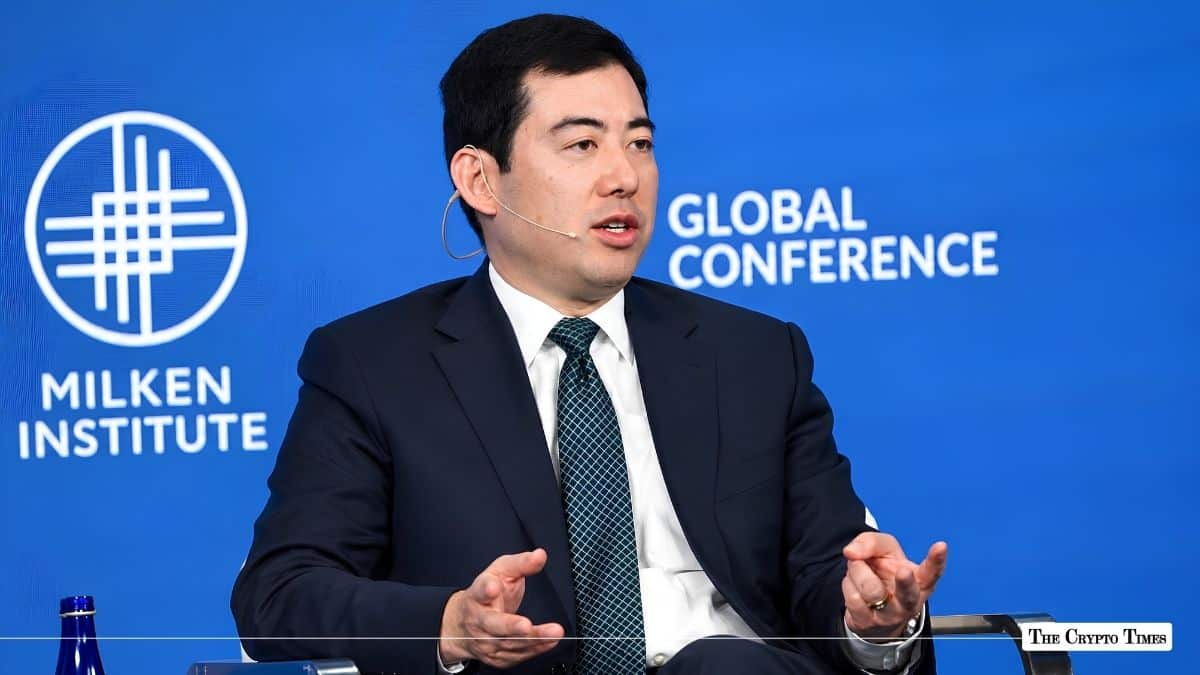
SEC Commissioner Mark Uyeda said the Securities and Exchange Commission (SEC) dropped some crypto-related cases inherited from the previous administration because the agency no longer intended to defend the legal positions behind those cases.
Speaking at Georgetown University’s Financial Markets Quality Conference on September 23, Uyeda said continuing to defend a position in court while preparing to change that position could create credibility problems for the agency.
His comments offer further context on the SEC’s handling of inherited crypto litigation as the commission considers rulemaking and targeted regulatory exemptions for parts of the digital asset market.
Uyeda explains the SEC’s litigation decisions
Uyeda described the situation as a potential problem when an agency changes its interpretation of a legal issue while related cases are still pending.
If SEC lawyers continued defending the earlier interpretation in court and the commission later adopted a different position, the agency could face questions about the consistency of its arguments, according to Uyeda.
He described the potential change in some areas as a “180-degree shift” in the commission’s interpretation.
Uyeda did not identify all of the crypto cases affected by the decisions during his remarks. Instead, his comments focused on why the SEC may reconsider litigation when the legal position supporting a case no longer reflects the commission’s current interpretation.
SEC pursues separate crypto rulemaking
The litigation decisions come alongside the SEC’s work on formal rules for parts of the crypto market.
On August 18, the SEC proposed Regulation Crypto Assets, which would establish a framework for certain investment contracts involving crypto assets. The proposal includes a startup exemption for offerings of up to $5 million over four years and a fundraising exemption allowing up to $75 million during every 12 months, subject to the proposed framework’s conditions.
The proposal also includes a conditional safe harbor from the definition of an investment contract after an issuer has completed or permanently ceased certain essential managerial efforts associated with the covered investment contract.
The proposed framework remains subject to the SEC’s rulemaking process and is separate from decisions involving individual enforcement cases.
SEC grants temporary relief for tokenized stocks
The agency has separately used an exemption framework for tokenized equities.
On September 17, the SEC approved a temporary, conditional Innovation Exemption for certain Tokenized Securities Venues (TSVs) seeking to trade tokenized National Market System stocks through permissioned automated market makers and liquidity pools.
The exemption requires tokenized stocks to provide holders with the same rights and privileges as the corresponding traditional shares, including voting and dividend rights. Venues must also notify an issuer before listing a tokenized stock issued by an unaffiliated third party and provide the issuer with an opportunity to object.
The relief is scheduled to expire five years after publication, while the SEC is seeking public comments on the framework.
Uyeda described the Innovation Exemption as a temporary mechanism that allows the SEC to observe how tokenized markets develop while considering longer-term rules. In his September 17 statement, he said the exemption could provide data to inform future policymaking.
SEC uses multiple regulatory tools for crypto
Uyeda’s remarks come as the SEC addresses digital assets through several regulatory mechanisms, including litigation decisions, proposed rules and targeted exemptions.
The approaches apply to different areas of the market and do not resolve the broader question of how U.S. securities laws should apply across the digital asset sector.
The Regulation Crypto Assets proposal remains subject to the rulemaking process, while the tokenized-stock exemption applies only to qualifying venues and comes with specific conditions.
Uyeda’s comments provide context for why the SEC has chosen not to continue defending certain inherited cases while reassessing the legal interpretations behind them.
Also Read: Senate Democrats Seek Public Hearing on Growing Prediction Markets