Key Highlights
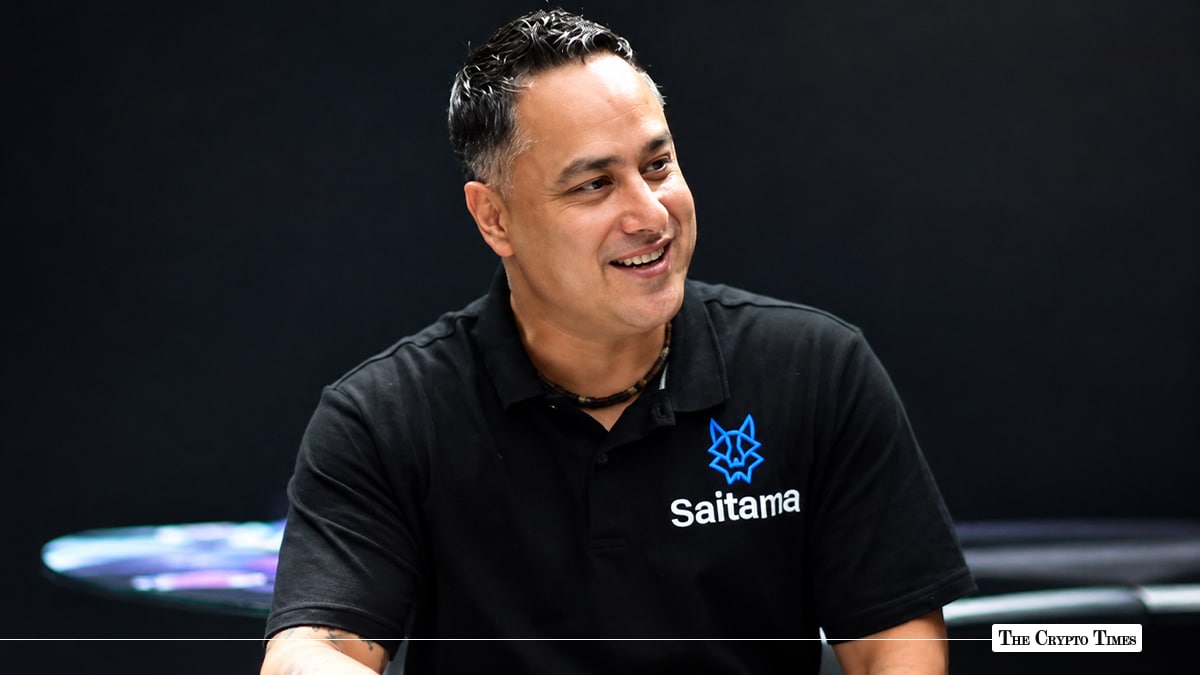
- Saitama CEO Manpreet Kohli lost his latest UK challenge against extradition to the U.S.
- A British judge ruled that arrangements were available to address Kohli’s mental health during transport and detention.
- U.S. prosecutors accuse Kohli and others of secretly selling Saitama tokens while publicly claiming to buy and hold them.
Former Saitama chief executive Manpreet Kohli is facing possible extradition to the United States after a British judge rejected his latest challenge against being sent to the U.S. to face fraud and market-manipulation charges.
According to the Reuters report published on Wednesday, Kohli, a 45-year-old Indian national living in Britain, was arrested in London in 2024 after U.S. prosecutors alleged that he and others manipulated the market for Saitama, a cryptocurrency project that once reached a market value of about $7.5 billion.
Judge Samuel Goozee rejected Kohli’s challenge on August 19. The ruling allows the extradition process to move forward, although Kohli can still use available legal avenues to challenge the decision.
UK judge rejects mental health challenge
Kohli had argued that extradition could expose him to inadequate safeguards for his mental health while in U.S. custody.
Judge Goozee rejected that argument, finding that arrangements were available to manage Kohli’s condition during transportation and within the U.S. prison system. “I find there are clearly appropriate arrangements in place both during transit and within the prison system in the U.S.”
Kohli remains on £200,000 ($272,420) bail in the UK while the extradition process continues. The ruling addressed the conditions surrounding extradition and did not determine whether Kohli committed the offenses alleged by U.S. prosecutors.
U.S. case centers on Saitama token sales
According to a court filing, the U.S. prosecutors allege that Kohli and his co-defendants misled investors about their activity involving Saitama tokens.
Prosecutors allege that members of the group publicly claimed they were purchasing and holding the token while privately selling significant amounts of their holdings. They allege that Kohli personally received approximately $20 million from the alleged scheme.
The investigation also involved the FBI creating a digital token as part of an operation targeting suspected cryptocurrency-related crime.
Earlier this month, a federal judge in Boston rejected Kohli’s attempt to dismiss the indictment. His defense had argued that Saitama could not legally be treated as a security under U.S. securities law.
The U.S. case therefore remains active.
Extradition process moves forward
With the UK court challenge rejected, the case proceeds to the next stage of Britain’s extradition process.
British authorities will consider whether Kohli should be surrendered to U.S. authorities. Any further appeals or legal challenges could affect the timing. Until the process is completed, Kohli remains in the UK on bail.
If extradited, he would face the charges contained in the U.S. indictment, including allegations of wire fraud and market manipulation. The allegations have not been proven in court.
Separate crypto fraud cases
Kohli’s case is separate from other recent cryptocurrency-related prosecutions.
In the United States, a federal jury in San Francisco convicted Japheth Dillman, founder of Block Bits, of wire fraud over an alleged cryptocurrency investment scheme. Prosecutors said the scheme raised nearly $1 million from more than 20 investors through claims about an automated crypto trading bot.
In South Korea, Jeong Sang-ho, CEO of crypto lending platform Delio, was sentenced to 15 years in prison after being convicted of defrauding 1,078 victims of approximately 70 billion won in virtual assets.
Those cases involve different allegations and defendants and are not connected to the Saitama prosecution.
What happens next
The immediate issue for Kohli is whether further legal challenges will delay or prevent his extradition to the United States.
If he is ultimately surrendered, the Saitama allegations will be addressed through the U.S. criminal proceedings.
For now, the UK court has rejected his latest extradition challenge, while Kohli remains in Britain awaiting the next stage of the process.
Also Read: Enjin Crypto Items Exploit Drains 5.24M ENJ From 52 Wallets