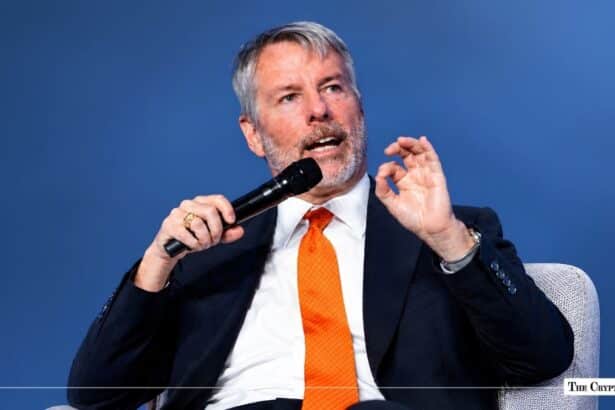
Five major crypto protocols now route part of their revenue into buying their own tokens, a mechanism that barely existed two years ago. Bitwise’s Chief Investment Officer, Matt Hougan, argues in a memo that markets haven’t priced it in.
Matt Hougan’s memo names Hyperliquid, Uniswap, Aave, Pump.fun, and Lighter as protocols returning revenue to token holders, a mechanism that was largely absent before 2025.
Hyperliquid has spent more than $1.3 billion buying HYPE on the open market since its token launched in November 2024, and four other protocols have since built comparable mechanisms, according to a memo published August 12 by Hougan.
Five Protocols Named, With Figures From Bitwise
Hougan writes that Hyperliquid generated more than $800 million in revenue last year and directs roughly 99% of fee revenue to buying and burning HYPE. The Crypto Times reported in December that DeFiLlama recorded 2025 revenue above $848 million.
The memo states that Uniswap passed its UNIfication proposal in December 2025 with 99.9% support, burned 100 million UNI worth around $590 million, has since burned a further 7 million, and takes in roughly $100 million in annual revenue. It states Aave began weekly AAVE buybacks in April 2025, is on target to burn roughly $30 million of AAVE per year, and expanded the program in June 2026 under Aavenomics 3.0, repurchasing more than 1.2% of total supply.
Pump.fun had burned $370 million of PUMP by April 2026, equal to 36% of circulating supply, and has locked half of next year’s net revenue into a buy-and-burn contract, according to the memo, which puts its annual revenue at $328 million. Lighter has repurchased roughly 6% of the LIT circulating supply since launching at the start of the year on $67 million in annual revenue.
Layer 1s Adjusting Fee and Inflation Settings
The memo states that the Solana community has introduced SGP-0003, a proposal that would lower the chain’s inflation rate and increase fee burn by up to 14 times. It also states that Aptos raised gas fees tenfold earlier this year, that transaction activity nearly tripled rather than falling, and that annual token burn moved from about 90,000 tokens to roughly 1.9 million.
Hougan Values Hyperliquid at 17x to 60x Earnings
Hougan writes that Hyperliquid trades at a price-to-earnings multiple of 17 to 60 times, with the range depending on whether circulating or fully diluted supply is used. He describes Uniswap as valued at $2.4 billion and Aave and Morpho as holding a combined market capitalization of another $2.4 billion.
Price-to-earnings is an equity metric, and Hougan states that crypto assets are not equities, have no legal claim on cash flow, and that tokenomics are set by the community and subject to change. He writes that if the link between revenue and token value holds, valuations could double or more.
Bitwise Has Filed for a Hyperliquid ETF
Bitwise Asset Management operates crypto index funds and exchange-traded products. The firm filed for a Hyperliquid exchange-traded fund alongside Grayscale and 21Shares. The memo’s disclosures state that it is a market commentary and not an investment recommendation.
Hyperliquid Revenue Fell Year-Over-Year in Q2
A Q2 report from Four Pillars and GLC Research put Hyperliquid protocol revenue at $169.37 million, down 6.6% quarter-over-quarter and 11.8% year-over-year, with holder revenue down 4.7% to $142.88 million. Buybacks totalled $140.66 million for the quarter, repurchasing 2.77 million HYPE, and cumulative holder revenue passed $1 billion. The Crypto Times covered the report on August 6.
The report characterized the decline as deliberate pricing rather than weakening demand, noting June finished 52% above the April trough at a run rate annualizing to roughly $840 million.
Protocol fee revenue is a function of trading volume, which itself moves with token prices, so the revenue figures underpinning these buyback programs are not independent of the asset prices they support. The Crypto Times examined the mechanism in July.
Memo Attributes the Shift to Regulatory Change
Hougan writes that under SEC leadership from 2017 to 2025, projects delivering revenue to token holders risked being treated as illegal securities offerings, which pushed launches toward governance tokens carrying voting rights but no revenue claim. He identifies the July 2023 Ripple ruling, in which the Southern District of New York held that XRP was not a security when sold to retail investors, as the turning point, followed by both sides dropping appeals in August 2025 and Paul Atkins replacing Gary Gensler as SEC chair.
Also Read: Franklin Templeton Gets SEC Relief for Blockchain Fund Custody