Binance.US is aiming to regain its position as one of America’s largest crypto exchanges, betting that lower fees, deeper liquidity, and an expanding regulated product lineup will help win back customers after two years of regulatory headwinds.
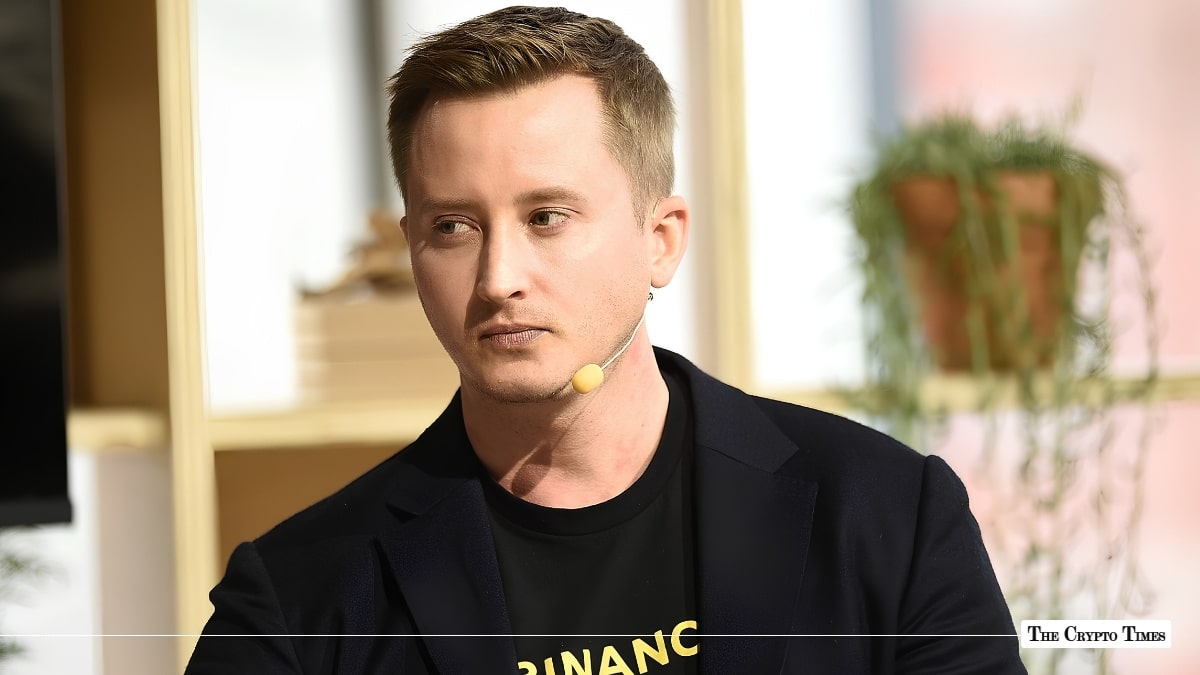
Speaking about the exchange’s recovery, Binance.US CEO Stephen Gregory described the past two years as a period of “hibernation” driven by regulatory challenges surrounding the broader Binance brand. He said the exchange is currently focused on rebuilding its business and eventually reclaiming the roughly 20% share of the U.S. crypto exchange market it once held.
Brand segregation and structural transparency
Gregory emphasized that Binance.US operates independently from Binance.com, with its own governance structure and licenses dedicated exclusively to serving U.S. customers. While the two companies share the Binance brand and a common beneficial owner, he said Binance.US functions as a separate entity under U.S. regulations.
That distinction has become increasingly important after years of heightened regulatory scrutiny that reshaped Binance’s U.S. operations and reduced its market presence.
The exchange has also taken steps to strengthen transparency as part of its rebuilding efforts. In May, Binance.US joined the Blockworks Transparency Alliance alongside Coinbase, Kraken, and more than 40 crypto firms. The initiative uses the Token Transparency Framework (TTF) to standardize project disclosures and improve the quality of information available to investors.
The move to near-zero fees
To challenge the market strongholds currently held by Coinbase and Kraken, Binance.US is positioning its platform as the lowest-cost spot execution engine in the United States.
Gregory said the exchange now charges 0% maker fees and 2-basis-point taker fees, making it “essentially almost a no-fee exchange.” He added that Binance.US expects to supplement trading revenue through services such as digital asset custody while maintaining a lean operating structure.
Beyond pricing, the exchange is also rebuilding liquidity by offering incentives to market participants and reconnecting with former users. Gregory said Binance.US has directly reached out to many of its largest retail customers to gather feedback and improve the platform during its recovery.
Expanding the product horizon
The platform’s long-term roadmap assumes that evolving oversight from federal regulators will clear the path for advanced product rollouts. If the domestic environment normalizes as expected, Binance.US intends to secure the necessary state and federal clearances to scale operations far beyond basic spot digital asset trading.
The exchange is currently drafting applications to enter the regulated derivatives, perpetual futures contracts, and prediction markets spaces. By directly engaging retail users and integrating institutional order book thickness under an ultra-low-fee umbrella, the company is betting it can bring the deep liquidity traditionally linked to the Binance brand straight into compliant U.S. market structures.
Also Read: Brian Armstrong Admits Coinbase’s Content Coin Strategy Failed