Key Highlights
- Senator Bill Hagerty said the CLARITY Act will provide much-needed regulatory certainty for the U.S. digital asset industry.
- He argued the legislation could unlock broader innovation opportunities and help crypto flourish domestically.
- Hagerty compared the initiative to the GENIUS Act, which he said strengthened America’s leadership in digital payments.
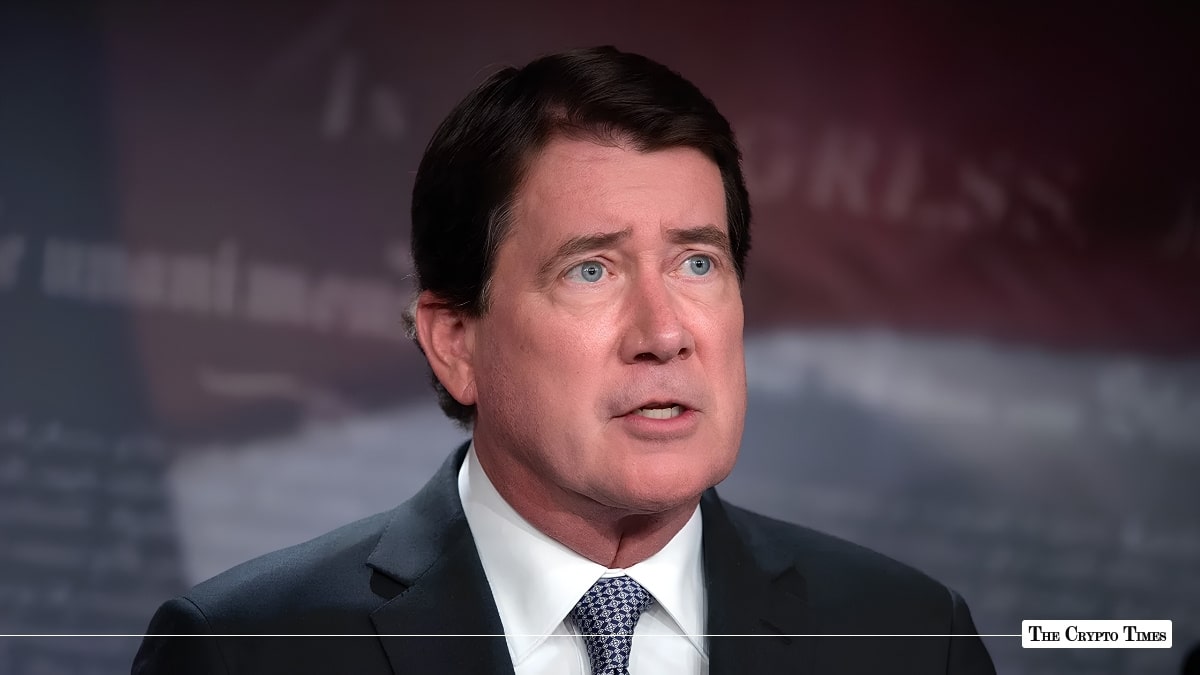
U.S. Senator Bill Hagerty has expressed support for the CLARITY Act, stating that the legislation would provide the regulatory certainty needed to unlock the potential of digital assets in the United States.
In a recent interview with Fox Business, Hagerty said the CLARITY Act is essential for establishing a comprehensive framework for digital assets. “It’s creating the type of certainty that’s necessary to bring the entire digital asset framework into full-blown opportunity here in America,” he said.
Hagerty points to GENIUS Act as a model
Hagerty drew parallels to his earlier work on the GENIUS Act, which he credits with positioning the U.S. as a leader in digital payments. He highlighted the creation of a reserve digital dollar backed dollar-for-dollar by short-term U.S. Treasury securities, noting that America continues to maintain its status as the world’s reserve currency while expanding into digital assets.
The senator said digital assets serve a much broader range of uses beyond payments. He stressed the importance of addressing these varied applications through clear legislation. Hagerty is collaborating with Senator Kevin Cramer on the initiative, calling for swift action. “We need to get this done. It’s important to get it done. It’s critical to maintain America’s innovation edge,” he stated.
From a procedural standpoint, Hagerty indicated that meaningful progress on the CLARITY Act is expected after the July 4th congressional recess, with hopes of advancing the bill before the end of July.
Industry leaders back the CLARITY Act
Several lawmakers and industry figures have also expressed support for the Digital Asset Market CLARITY Act as it moves through Congress. House Financial Services Committee Chairman French Hill noted that lawmakers are actively working to bridge differences between the banking sector and the crypto industry.
Senator Tim Scott called the bill “the future of finance,” arguing it will establish clear rules and position America as “the crypto capital of the world.”
Senator Cynthia Lummis also emphasized the bill’s importance, stating, “The Clarity Act is not just a crypto bill. It’s a decision about whether America leads the next financial system or watches from the sidelines.” Other industry leaders and lawmakers have also expressed strong backing for the legislation.
Strategic meetings aim to build support
Supporters of the Digital Asset Market CLARITY Act held strategic meetings with major law enforcement organizations, administration officials, and congressional staff to build momentum ahead of a potential Senate floor vote.
According to journalist Eleanor Terrett, a key meeting took place on June 10 at the Eisenhower Executive Office Building. Hosted by White House crypto adviser Patrick Witt and the White House Crypto Council, the discussion included officials from law enforcement associations, the Treasury Department, FinCEN, the Department of Justice, and various congressional offices.
The engagements reflect intensified efforts to address regulatory concerns and secure broader support for the legislation aimed at providing comprehensive clarity for digital assets in the U.S.
Upcoming weeks considered crucial for CLARITY Act
As Congress returns from recess, all eyes will be on whether lawmakers can build on the momentum from the GENIUS Act and deliver comprehensive digital asset legislation. For Senator Hagerty and his colleagues, the timeline is clear: swift passage of the CLARITY Act is vital to securing America’s competitive edge in innovation and technology.
The coming weeks are expected to reveal whether bipartisan support can translate into concrete legislative progress before the end of July.
Also Read: Sam Bankman-Fried’s Clemency Push Hits a New Roadblock in Washington